
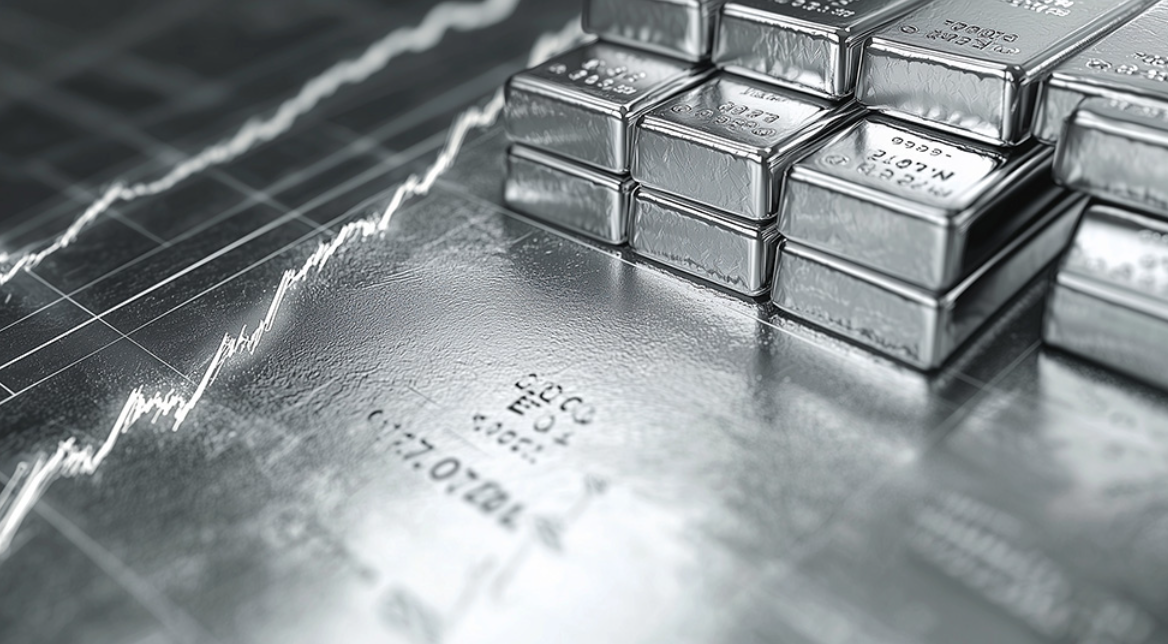
Silver has always been a popular way to protect wealth. It is real, valuable, and used in many industries — from electronics to solar panels. But in 2026, investors face an important question: should you buy physical silver, or invest in silver ETFs?
Both options give you exposure to silver prices, but they work very differently. Understanding the strengths and risks of each can help you make a smarter decision — especially if you want to learn about silver eagles and other physical coins.
What Is Physical Silver?
Physical silver means real metal you can hold in your hand. This includes coins, bars, and rounds. One of the most popular choices is the American Silver Eagle, a government-minted coin known worldwide for its purity and trust.
Many investors who want to learn about silver eagles start here because they are easy to buy, easy to sell, and widely recognized.
Benefits of Physical Silver
Owning real silver has a unique feeling of security. It is not tied to the stock market, banks, or digital systems. If markets crash or financial systems fail, your silver still exists.
Physical silver also gives full ownership. There is no middleman. No account risk. No digital tracking. What you own is fully yours.
Another benefit is privacy. Buying physical coins often involves fewer reporting requirements compared to financial investments.
Downsides of Physical Silver
Storage is the biggest challenge. You must keep it safe — at home, in a safe, or in a vault. Insurance may also be needed.
Buying and selling physical silver can also include premiums. Dealers charge above the metal’s market price, and you may not recover that full premium when selling.
What Are Silver ETFs?
Silver ETFs (Exchange-Traded Funds) are financial products that track the price of silver. You buy shares through a brokerage account, just like stocks.
You don’t own real silver directly. Instead, you own a share in a fund that holds or tracks silver.
Benefits of Silver ETFs
Silver ETFs are extremely convenient. You can buy or sell them instantly during market hours. No storage. No insurance. No handling.
They also have lower transaction spreads compared to physical coins. This makes them popular for traders who want quick exposure to silver price movements.
ETFs also make investing easier for people who prefer digital portfolios.
Downsides of Silver ETFs
You do not control the metal. You rely on financial institutions to manage the fund properly.
There is also counterparty risk. If financial systems face stress, ETF structures may be affected.
Some investors also dislike ongoing management fees, which slowly reduce returns over time.
Which Makes More Sense in 2026?
The answer depends on your goals.
If you want wealth protection, long-term security, and full ownership, physical silver is often the better choice. Many investors who want stability prefer to learn about silver eagles because they offer trusted value and easy resale.
If your goal is short-term trading or convenience, silver ETFs may be more suitable. They are fast, simple, and require no physical management.
But many experienced investors combine both. They hold physical silver for security and ETFs for flexibility.
Why Silver Eagles Still Stand Out
Among physical silver options, American Silver Eagles remain one of the most trusted choices in the world. They are government backed, highly liquid, and widely accepted.
People who take time to learn about silver eagles often discover they offer more than just metal value. They provide confidence, recognition, and ease of resale — all important in uncertain economic times.
Final Thoughts
In 2026, silver remains a powerful asset — but how you own it matters.
Physical silver gives control, security, and peace of mind. Silver ETFs offer speed and simplicity. The right choice depends on whether you value convenience or ownership more.
For investors who want real protection and long-term confidence, taking time to learn about silver eagles and other physical silver options may be one of the smartest financial steps they can take.





