

Don’t let that sudden sunshine fool you! Here’s why that mid-winter heatwave is a dangerous illusion for your backyard and how to protect your garden
the staff of the Ridgewood blop
Ridgewood NJ, As winter drags on, a few days of unseasonably warm, sunny weather can feel like a gift. You might be tempted to pull out your gardening gloves, start pruning, or even head to the nursery. But before you get ahead of yourself, take a breath. You might be witnessing a “false spring.”
While those warm breezes feel like the arrival of the new season, they are often a meteorological mirage. Here is why the “false spring” is a major headache for gardeners, farmers, and even local wildlife.
What Exactly is a ‘False Spring’?
A false spring occurs when atmospheric shifts—like a temporary movement in the jet stream—bring a surge of warm, southern air into a region during late winter. It’s not the real thing; it’s a temporary weather anomaly that will almost certainly be followed by a return to freezing temperatures or even snow.
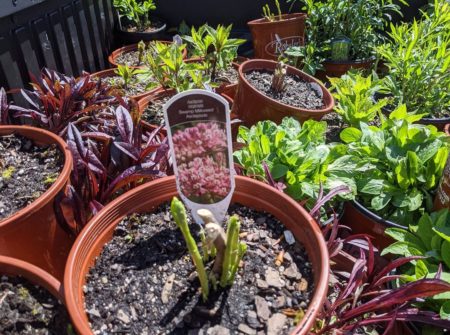
Why Nature Gets ‘Tricked’
Plants and trees rely on internal biological clocks, not the calendar. When they experience sustained warmth:
-
Sap begins to flow: The circulation system of trees “wakes up.”
-
Buds start to swell: Flowers and leaves begin to emerge.
-
Dormancy ends: The plant shifts from its protective winter state into “growth mode.”
The problem? Once a plant breaks dormancy and pushes out tender new growth, it loses its “cold hardiness.” If a hard freeze hits a week later, that delicate new growth can turn black and die in a single night.
The Ripple Effect: From Orchards to Bees
The damage from a false spring goes far beyond a few wilted flowers in your backyard:
-
Resource Depletion: If a tree loses its first set of buds to a frost, it has to expend massive amounts of stored energy to try again, leaving it weakened for the rest of the year.
-
Agricultural Crisis: Farmers are often hit the hardest. A false spring can wipe out entire fruit harvests—like peaches or apples—leading to millions of dollars in losses.
-
Ecological Mismatches: Wildlife relies on timing. If pollinators like bees emerge from hibernation only to find their food sources killed by a late frost, the entire ecosystem suffers.
4 Pro-Tips to Protect Your Garden
If you see the mercury rising in March, resist the urge to jump into full-scale planting. Instead, follow these steps to keep your garden safe:
-
Wait to Prune: Pruning stimulates growth. Keep your tools in the shed until you are certain the deep freeze is behind you.
-
Hold Off on Fertilizer: Nitrogen-rich fertilizers are a “wake-up call” for plants. Avoid feeding them until the ground has truly thawed.
-
Keep Blankets Ready: Keep frost blankets or old sheets on standby. If a freeze is forecasted, drape them over your most vulnerable shrubs or early-blooming perennials.
-
Mulch is Your Best Friend: A thick layer of mulch acts as an insulator, keeping soil temperatures stable and preventing bulbs from waking up too quickly.
Stay Vigilant
Spring will arrive eventually—but it’s a marathon, not a sprint. By waiting a few extra weeks to begin your garden cleanup, you ensure that your plants are protected when the inevitable cold snap returns.
Join the new Saddle River Valley, Ramapo and Pascack Valley Communities Facebook group
https://www.facebook.com/groups/1931704860512551/
#news #follow #media #trending #viral #newsupdate #currentaffairs #BergenCountyNews #NJBreakingNews #NJHeadlines #NJTopStories
Tags: #GardeningTips #FalseSpring #Horticulture #SustainableGardening #GardenCare #WinterToSpring #PlantHealth





