
Every homeowner operates with a mental or physical checklist of household chores. This list usually includes obvious tasks like mowing the lawn, changing HVAC filters, and vacuuming the floors. While keeping up with these visible areas is important, houses contain several hidden zones that rarely receive attention.
These forgotten spaces can quietly transform into danger zones. Overlooking them can result in severe structural damage, health hazards, or expensive emergency repair bills. To protect your property investment and ensure household safety, you must expand your focus to include these crucial, missing maintenance spots.
The Hidden Threat of Moisture and Drainage Failures
Water possesses an incredible capacity to destroy building materials over time. When water sits where it should not, it rots wood, compromises foundations, and encourages hazardous biological growth.
The Foundation and Exterior Drainage Channels
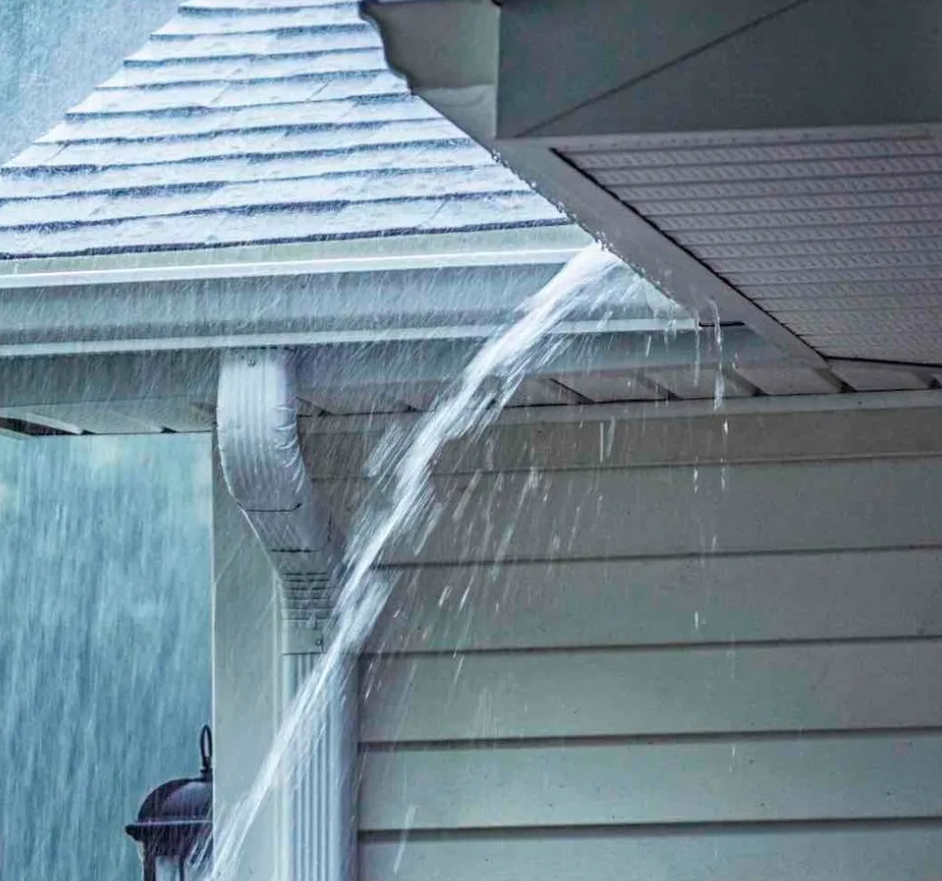
The roof and drainage systems work together to shed water away from the structural perimeter of a house. When channels become blocked with leaves, twigs, and roofing silt, water overflows. This cascading water pools directly against the foundation walls, leading to basement flooding and soil erosion.
If the channels sag, leak at the seams, or pull away from the roofline, immediate action is required. Homeowners frequently require professional rain gutter repair in Salt Lake City to restore proper pitch and function before the heavy winter snows or intense spring storms arrive. Fixing these issues early prevents hydrostatic pressure from cracking your concrete foundation.
Sump Pump Wells and Backups
For homes equipped with a basement sump pump, this device serves as the last line of defense against rising groundwater. Unfortunately, many property owners never look inside the sump pit until a flood occurs.
Debris can fall into the well, jamming the float switch and rendering the pump useless. Test the system twice a year by pouring water into the basin to ensure the motor activates and expels water rapidly.
Fire Hazards Concealed in Utility Spaces
Some of the most dangerous zones in a house are completely invisible during daily activities. These areas accumulate highly combustible materials near heat sources.
Appliance Exhaust Ducts
While cleaning the removable lint screen in a clothes dryer is common practice, the rigid or flexible ducting behind the machine is regularly ignored. Fine particles of fabric bypass the filter and settle inside the long exhaust pipe.
As lint builds up, it constricts airflow, causing the dryer to overheat. Because lint is highly flammable, this blockage represents a primary cause of accidental residential fires. Annual mechanical brushing of the entire length of the duct keeps the appliance safe and energy-efficient.
Electrical Panel Boards and Loose Connections
The main breaker box distributes power throughout the entire building, yet it remains closed and uninspected for decades in most homes. Over time, thermal expansion and contraction can cause the wire terminations on individual breakers to loosen slightly.
Loose connections create electrical resistance, which generates intense heat and can melt insulation or spark a fire. Hiring a licensed electrician to inspect the panel, tighten connections, and check for overloaded circuits every few years is a vital safety measure.
Structural and Environmental Compromises
The topmost and bottommost areas of a residential building are susceptible to environmental degradation that goes unnoticed due to lack of foot traffic.
Crawlspaces and Unfinished Basements
Dark, unconditioned spaces beneath the living areas are prime locations for undetected problems. High humidity levels in a crawlspace can cause floor joists to sag and support beams to decay.
Furthermore, torn vapor barriers allow moisture from the earth to rise directly into the subflooring. Regular inspections are necessary to check for wood-boring insects, plumbing leaks, and failing insulation.
Attic Ventilation Paths
An attic needs constant airflow to regulate temperature and moisture levels beneath the roof deck. Many homeowners stack storage boxes over soffit vents, blocking the intake paths.
When airflow stalls, heat builds up in the summer, baking the roofing shingles from underneath. In the winter, trapped moisture condenses on the rafters, leading to rot and mold. Ensure that all baffling and vents remain completely unobstructed.
By identifying these hidden danger zones and integrating them into your yearly property care schedule, you eliminate the surprises that cost thousands of dollars to remediate. Prevention remains the most affordable strategy for long-term homeownership success.
Meta Description
Protect your home from hidden hazards. Discover the crucial structural and utility areas missing from your list that can cause fires and water damage.





