
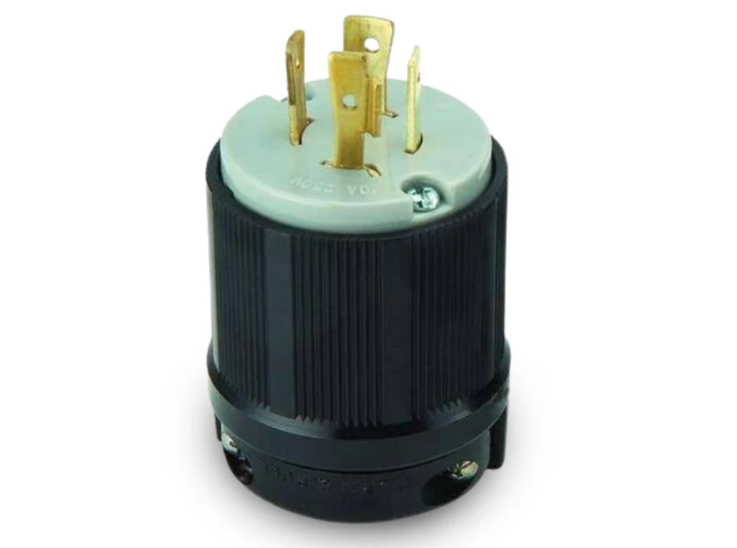
Move a sofa up against the wall, and things always get in the way.
A bulky plug juts out. The cord bends at an odd angle. After some time, that constant pressure causes the insulation to break down, leading to a potential hazard behind a favorite armchair.
Most are not noticed until one of the cords becomes frayed, or the outlet becomes completely blocked.
A flat plug eliminates that by being nearly coplanar with the wall, so furniture stays where it belongs and cords don’t have to take that load. Whether it’s rearranging furniture or eliminating covert dangers, that one simple change alters the use of the room.
Let’s see exactly how a flat plug can make a safer and more convenient home out of a typical annoyance.
1. Cuts Down Cord Damage
To prevent this wear, a flat plug is constructed.
The older style of plugs protrudes several inches out of the wall, so when anything is pushed against a plug- a dresser, a bed frame, a bookshelf- the insulation first cracks at the points of the prongs, the very first point of contact.
A flat design eliminates such a pressure point, as the plug would almost be on the same plane with the outlet rather than struggle with neighboring furniture.
Common cord-damage triggers to watch for:
- Furniture against a large plug.
- Stringy lines around corners in cabinets.
- Friction of doors or drawers.
A flatter profile minimizes pressure and sharp curves at the point of connection, which prevents the development of that wear.
2. Closes Furniture Gaps
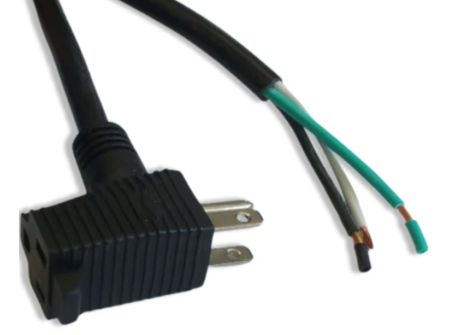
When you are moving a bed frame and it gets stuck against a wall, you know how frustrating that is. Not only can it be an eyesore, but that gap is often the reason why furniture can’t fit where it is supposed to be. A flat plug eliminates that barrier, allowing couches, cabinets, and headboards to lie against the wall.
This is especially important in:
- Small apartments with space being a premium.
- Shared rooms with limited room layout options.
- Rentals where furniture is not movable relative to fixed outlets.
Furniture is finally organized around the location of the outlets, rather than outlets being organized around furniture.
3. Shrinks Fire Risk
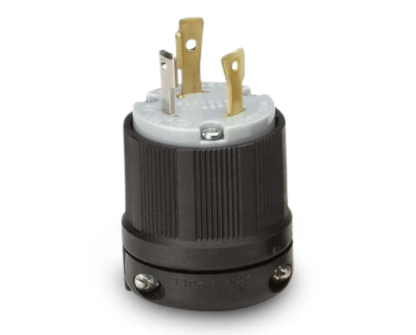
Electric fires tend to begin small. A bent prong. A plug that has been pushed into an awkward place. Both cause the formation of small resistance points that heat up over time.
According to fire safety agencies, a significant portion of home fires are caused by electrical equipment, and arcing from overloaded electrical connections has been shown by the research of the Upholstered Furniture Action Council to be a recurring cause.
A flat plug reduces that risk by keeping furniture away from the plug or cord, thus reducing bending at the plug.
Less bending at the connection point helps:
- Reduce wear on the plug and cord over time.
- Lower the chance of damaged connections that may lead to arcing.
- Prevent overheating caused by stressed electrical components.
4. Plug Placement Options
When a whole section of a room opens up, all the plugs start to come out awkwardly. Snug areas behind a television set. Use narrow spaces around the radiator. Overcrowding corners around baseboard heaters. Everything is put back into use again.
According to the University housing safety guidance, they should avoid:
- Pinching cords under doors or carpets.
- Crushing cords under furniture is not advisable.
- Plugging outlets with large plugs.
These scenarios are much more manageable when the plug doesn’t require much additional space. However, in older houses or rentals, flexibility is most important because outlets are located in specific areas that cannot be rearranged. Many outlets are poorly placed; a flat plug alone cannot correct this issue, but it can certainly make it much safer to work around.
5. Simplifies Everyday Plugging
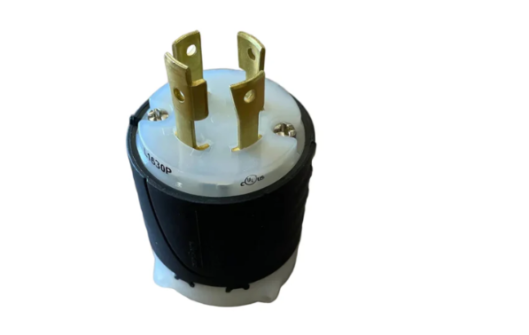
In addition to safety, there is also a basic convenience of flat plugs, which is often overlooked, that can make life easier day to day. Because the plug takes up so little space, it doesn’t crowd the outlet next to it, leaving more room to plug in — or unplug — devices without wrestling anything out of the way.
That convenience is most evident with:
- Multi-outlets and power strips.
- Desks or entertainment units with multiple devices working simultaneously.
- Corners that are tight, where every half inch counts.
Government resources, such as Mass.gov, still advise against daisy-chaining electrical cords together for general electrical safety. A flat plug makes this direct connection much easier to handle, even in tight and cluttered areas of the home.
Conclusion
A flat plug is a simple upgrade that improves both safety and convenience. Its low-profile design helps reduce strain on cords, allows furniture to sit flush against walls, and makes tight spaces easier to use. It can also help keep cables better organized and reduce unnecessary stress on electrical connections over time.
If you’re looking for a cleaner, safer, and more space-efficient electrical setup, a flat plug is a practical solution.





