
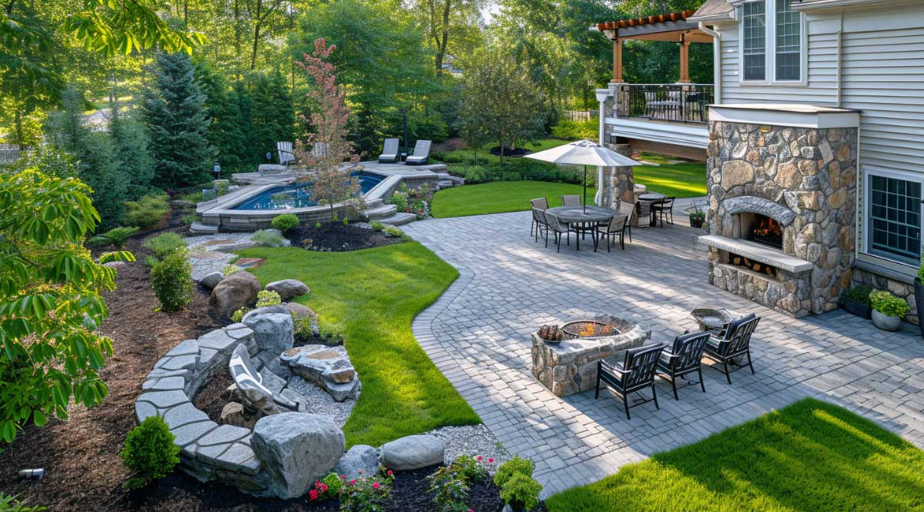
Outdoor spaces have the power to enrich communities while protecting the natural environment. When thoughtfully planned, parks, recreational areas, school grounds, and neighborhood green spaces can encourage healthy lifestyles, strengthen social connections, and support local ecosystems at the same time. By balancing human needs with environmental stewardship, communities create spaces that are enjoyable today while preserving natural resources for future generations. Smart outdoor design goes beyond aesthetics, focusing on sustainability, accessibility, and long-term value for both people and the world around them.
Designing with Sustainability in Mind
Sustainable outdoor spaces begin with careful planning that considers the long-term environmental impact of every design decision. Selecting durable materials, preserving existing natural features, and minimizing unnecessary land disturbance all contribute to healthier ecosystems while reducing maintenance requirements.
Native vegetation plays an important role in sustainable landscapes. Plants that naturally thrive in the local climate typically require less irrigation, fertilizer, and maintenance than non-native species. They also provide food and shelter for birds, pollinators, and other wildlife, helping maintain biodiversity within the community.
Water conservation should also be integrated into every project. Efficient irrigation systems, rain gardens, permeable pathways, and proper drainage help reduce water waste while protecting nearby waterways from erosion and runoff. These features improve environmental health while lowering long-term operational costs.
Preserving Existing Natural Features
Whenever possible, outdoor projects should work with the landscape rather than against it. Mature trees, natural rock formations, wetlands, and existing vegetation add character while providing valuable environmental benefits.
Preserving these natural elements reduces construction impacts and creates more visually appealing environments where visitors can experience nature in an authentic setting.
Creating Spaces That Encourage Community Engagement
Successful outdoor environments invite people to gather, exercise, relax, and connect. Parks and green spaces become community hubs when they offer amenities that serve a wide range of ages, interests, and abilities.
Walking trails, picnic areas, gardens, open lawns, and recreational spaces encourage families to spend time outdoors together while supporting healthy lifestyles. Comfortable seating, shaded gathering areas, and accessible pathways help ensure everyone can enjoy these spaces regardless of age or mobility.
Thoughtful layouts also encourage spontaneous social interaction. Gathering spaces positioned near recreational areas allow neighbors to connect while children play, strengthening community relationships and promoting a greater sense of belonging.
Designing Inclusive Recreation Areas
Outdoor recreation should be accessible to everyone. Inclusive design incorporates wide pathways, adaptive play features, sensory experiences, and barrier-free access that welcome visitors with varying abilities.
Communities planning these environments often collaborate with experienced playground installers in Idaho to ensure recreational equipment is safely installed and integrated into layouts that promote accessibility, durability, and enjoyable experiences for children and families.
Inclusive outdoor spaces foster empathy, encourage interaction among diverse groups, and help ensure every community member can participate in recreational opportunities.
Supporting Wildlife and Local Ecosystems
Outdoor spaces benefit not only people but also the plants and animals that share the environment. Integrating ecological principles into landscape design creates healthier habitats while enriching visitors’ experiences with nature.
Pollinator gardens featuring flowering native plants attract bees, butterflies, and other beneficial insects that support healthy ecosystems. Birdhouses, nesting areas, and carefully preserved tree canopies provide shelter for local wildlife while increasing biodiversity.
Reducing artificial lighting in sensitive areas also benefits nocturnal species while improving energy efficiency. Shielded lighting fixtures minimize unnecessary light pollution without compromising visitor safety.
Managing Natural Resources Responsibly
Healthy outdoor environments depend on responsible resource management. Composting landscape waste, reducing chemical use, and implementing environmentally friendly maintenance practices all contribute to healthier soil, cleaner water, and stronger ecosystems.
Communities can also educate visitors through informational signage that explains sustainable landscaping, wildlife conservation, and responsible recreation practices. These educational opportunities encourage greater environmental awareness among residents and visitors alike.
Balancing Recreation with Environmental Protection
Creating enjoyable recreational opportunities should never come at the expense of environmental health. Careful planning allows communities to provide active recreation while minimizing ecological disruption.
Clearly designated trails help prevent damage to sensitive habitats by guiding visitors away from vulnerable areas. Boardwalks, viewing platforms, and observation points allow people to appreciate natural landscapes without disturbing wildlife or vegetation.
Outdoor recreation areas should also include durable surfaces capable of handling heavy use while minimizing erosion. Proper drainage systems further protect natural resources by reducing runoff and preserving soil stability.
Flexible recreational spaces offer additional benefits by accommodating seasonal events, educational programs, fitness activities, and family gatherings without requiring extensive permanent infrastructure. This adaptability increases long-term usability while limiting unnecessary environmental impacts.
Planning for Long-Term Success
The most successful outdoor spaces continue serving communities for decades because they are designed with long-term sustainability in mind. Durable construction, adaptable layouts, and ongoing maintenance ensure these spaces remain functional, attractive, and environmentally responsible.
Routine inspections help identify maintenance needs before they become larger issues. Caring for pathways, landscaping, recreational equipment, seating, and drainage systems preserves both safety and appearance while extending the lifespan of public investments.
Community involvement also contributes to lasting success. Public input during planning, volunteer cleanup events, educational programs, and local stewardship initiatives encourage residents to take pride in shared outdoor spaces.
Building Resilient Outdoor Environments
Climate resilience has become an increasingly important consideration in outdoor design. Selecting drought-tolerant vegetation, improving stormwater management, and using durable construction materials help communities adapt to changing environmental conditions while maintaining high-quality public spaces.
Resilient landscapes recover more quickly from extreme weather, require fewer resources to maintain, and continue providing recreational, ecological, and social benefits despite changing conditions.
Conclusion
Creating outdoor spaces that benefit both people and nature requires thoughtful planning, sustainable practices, and a long-term commitment to environmental stewardship. By preserving natural resources, encouraging community engagement, supporting wildlife, and designing inclusive recreational areas, communities can build spaces that enrich daily life while protecting the environment. These balanced outdoor environments provide lasting value, promoting healthier lifestyles, stronger neighborhoods, and a more sustainable future for generations to come.





