
Why Do We Celebrate Labor Day? The Dark History Behind America’s Favorite Long Weekend
the staff of the Ridgewood blog
Ridgewood NJ, Every year on the first Monday in September, millions of Americans fire up their grills, head to parades, and enjoy a long weekend marking the unofficial end of summer. But behind the barbecues and back-to-school sales lies a dramatic chapter of American history forged in protest, deadly strikes, and the fight for basic human rights.
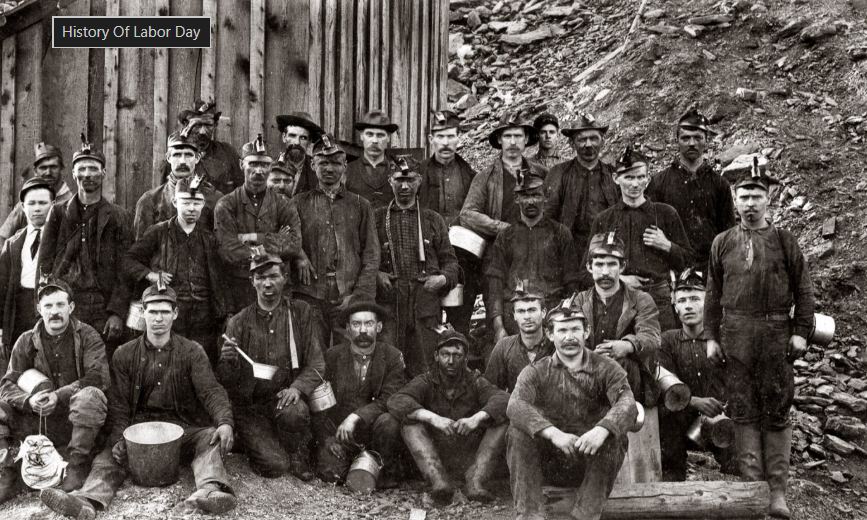
The Industrial Revolution: 12-Hour Days and Child Labor
In the late 19th century, during the height of the U.S. Industrial Revolution, manufacturing rapidly replaced agriculture as the country’s economic backbone. However, workplace conditions were grueling:
-
Long Hours: The average American labored 12 hours a day, 7 days a week, just to eke out a basic living.
-
Child Labor: Children as young as 5 or 6 worked in hazardous coal mines, mills, and factories for a fraction of adult wages.
-
Unsafe Environments: Immigrants and low-income workers faced unsanitary conditions, poor ventilation, and virtually no breaks or safety regulations.
As working conditions deteriorated, labor unions grew in strength and organized strikes to demand fair pay and reasonable hours. Early demonstrations often met resistance; the infamous 1886 Haymarket Riot in Chicago resulted in the deaths of both police officers and workers.
The First Labor Day Parade and the Pullman Strike
The concept of a dedicated “workingmen’s holiday” began on September 5, 1882, when 10,000 workers took unpaid leave to march from New York City’s City Hall to Union Square, establishing the nation’s first Labor Day parade.
The movement reached its tipping point 12 years later during the Pullman Strike of 1894:
-
May 11, 1894: Employees at the Pullman Palace Car Company in Chicago struck to protest severe wage cuts.
-
June 26, 1894: Eugene V. Debs led the American Railroad Union in a nationwide boycott of all Pullman railway cars, halting rail traffic across the country.
-
Federal Intervention: To break the strike, the federal government sent troops to Chicago, leading to violent riots and the deaths of more than a dozen workers.
Desperate to reconcile with the American workforce following the fatal unrest, Congress rushed to pass legislation declaring Labor Day a federal holiday in 1894.
Who Really Founded Labor Day?
More than a century later, historians still debate the true founder of the holiday:
-
Peter J. McGuire: Cofounder of the American Federation of Labor (AFL), who advocated for a day honoring those “who from rude nature have delved and carved all the grandeur we behold.”
-
Matthew Maguire: A machinist and secretary of the Central Labor Union in New York, who many believe proposed the initial parade in 1882.
Labor Day Today
Today, Labor Day serves a dual purpose. It honors the enduring contributions, resilience, and achievements of American workers while symbolizing the seasonal shift into autumn with picnics, fireworks, and family gatherings.
Tell your story #TheRidgewoodblog , #Indpendentnews, #information, #advertise, #guestpost, #affiliatemarketing,#
Tags: Labor Day, American History, US Labor Movement, Federal Holidays, Pullman Strike, Eugene V Debs, Industrial Revolution





