NOVEMBER 12, 2015 LAST UPDATED: THURSDAY, NOVEMBER 12, 2015, 12:48 PM
BY MARK KRULISH
STAFF WRITER |
THE RIDGEWOOD NEWS
The village’s Planning Board forged on with its reexamination of Ridgewood’s master plan last Tuesday with a discussion that focused on its circulation and community facilities plan.
With an early February deadline to submit a complete master plan reexamination, the board voted unanimously to include the village planner’s recommendations in the draft version of the report with final determination to be made prior to adoption.
One of the recommendations made by Village Planner Blais Brancheau was the establishment of a Transportation Improvement District (TID) in Ridgewood, which would allow the village to allocate the cost of roadway improvements to areas of development in town based on the property’s use. The board also asked for the Complete Streets program previously adopted by the Village Council to be included in the report.
In discussing the current circulation and community facilities plan with the board, Brancheau said he was “struck” by how outdated they are and said both are in need of a major overhaul.
Brancheau suggested the board could decide to do away with the respective elements altogether as they are not mandated by the state and some municipalities have no such elements in their master plan.
Firewalls and medical devices are extremely vulnerable, and everyone’s pointing fingers
By Monte Reel and Jordan Robertson | November 2015
from Bloomberg Businessweek
In the fall of 2013, Billy Rios flew from his home in California to Rochester, Minn., for an assignment at the Mayo Clinic, the largest integrated nonprofit medical group practice in the world. Rios is a “white hat” hacker, which means customers hire him to break into their own computers. His roster of clients has included the Pentagon, major defense contractors, Microsoft, Google, and some others he can’t talk about.
He’s tinkered with weapons systems, with aircraft components, and even with the electrical grid, hacking into the largest public utility district in Washington state to show officials how they might improve public safety. The Mayo Clinic job, in comparison, seemed pretty tame. He assumed he was going on a routine bug hunt, a week of solo work in clean and quiet rooms.
But when he showed up, he was surprised to find himself in a conference room full of familiar faces. The Mayo Clinic had assembled an all-star team of about a dozen computer jocks, investigators from some of the biggest cybersecurity firms in the country, as well as the kind of hackers who draw crowds at conferences such as Black Hat and Def Con. The researchers split into teams, and hospital officials presented them with about 40 different medical devices. Do your worst, the researchers were instructed. Hack whatever you can.
Like the printers, copiers, and office telephones used across all industries, many medical devices today are networked, running standard operating systems and living on the Internet just as laptops and smartphones do. Like the rest of the Internet of Things—devices that range from cars to garden sprinklers—they communicate with servers, and many can be controlled remotely. As quickly became apparent to Rios and the others, hospital administrators have a lot of reasons to fear hackers. For a full week, the group spent their days looking for backdoors into magnetic resonance imaging scanners, ultrasound equipment, ventilators, electroconvulsive therapy machines, and dozens of other contraptions. The teams gathered each evening inside the hospital to trade casualty reports.
“Every day, it was like every device on the menu got crushed,” Rios says. “It was all bad. Really, really bad.” The teams didn’t have time to dive deeply into the vulnerabilities they found, partly because they found so many—defenseless operating systems, generic passwords that couldn’t be changed, and so on.
The Mayo Clinic emerged from those sessions with a fresh set of security requirements for its medical device suppliers, requiring that each device be tested to meet standards before purchasing contracts were signed. Rios applauded the clinic, but he knew that only a few hospitals in the world had the resources and influence to pull that off, and he walked away from the job with an unshakable conviction: Sooner or later, hospitals would be hacked, and patients would be hurt. He’d gotten privileged glimpses into all sorts of sensitive industries, but hospitals seemed at least a decade behind the standard security curve.
State, congressional leaders announce plan to fund the project
By ANDREW TANGEL And
HEATHER HADDON
Nov. 11, 2015 9:00 p.m. ET
An emerging plan to dig two new Hudson River rail tunnels came into sharper focus on Wednesday as state and congressional leaders outlined a plan to fund and manage the project.
Under an agreement announced late Wednesday, the project would be managed by a subsidiary of the Port Authority of New York and New Jersey. That development corporation would be overseen by a four-member board including two representatives of the bistate agency and one each from Amtrak and the U.S. Department of Transportation.
New York Gov. Andrew Cuomo and New Jersey Gov. Chris Christie, who announced the deal with two U.S. senators, jointly control the authority.
“Our shovels are ready,” Mr. Cuomo said in an interview. “Literally, if you don’t build this tunnel, you would greatly imperil train service.”
Anthony Coscia, Amtrak’s chairman, said the agreement among state and federal leaders marked an encouraging step for Amtrak’s broader Gateway project. “It’s going to be a real turning point,” he said.
The national passenger railroad has struggled to fund big projects, and has warned of a transportation crisis if it must shut down one of its aging two current tunnels between New York and New Jersey.
It remains unclear how the local, state and federal governments will fund the tunnel project in an era of tight budgets. The project is part of the Gateway plan, which early estimates suggest could cost $15 billion to $20 billion.
By PAUL BEDARD (@SECRETSBEDARD) • 11/11/15 5:25 PM
Hard news faces the same kind of extinction as newspapers and magazines, the result of a dramatic death spiral of reporting jobs and ads and the rise of the type of opinion journalism popular two and three centuries ago, according to a new report and analysis.
“Hard news is in danger,” said a new report from the Brookings Institution.
The report detailed a fall-off in advertising revenues and employment and raised the question that without editorial employees filtering the news, credibility will be undermined.
“These trends have left many people wondering who will collect hard news for the general public. While the Internet world has made it possible for everyone to express their opinion widely — whether they know anything or not — it has also confused readers. In the absence of supposedly neutral intermediaries such as reporters, fact-checkers, and editors, readers are having a hard time judging the credibility of what they read,” said the report.
The FBI director has been seen as giving it credence. So has the head of the U.S. Drug Enforcement Agency. And Gov. Christie made his views clear last week, saying in a Fox News interview that “I absolutely believe it’s real.”
The subject of debate: the “Ferguson effect,” a theory that officers are responding to backlash by pulling back from proactive policing, potentially resulting in increased crime.
Christie, making a pro-law enforcement pitch in his Republican presidential campaign, has endorsed the theory, which detractors – including President Obama – say isn’t grounded in evidence.
Obama’s “rhetoric has not been supportive at all of the men and women in uniform around this country,” Christie said Monday at Camden County Police Headquarters. “And it’s his own FBI director who has said this type of conduct has made a chill wind go through law enforcement across this country.
As Senator Bob Menendez (D-NJ) continues to face the fallout from a corruption indictment, a new Quinnipac University poll indicates that much of the public is against him. The indictment was based on the senator’s allegedly accepting bribes and gifts from Florida ophthalmologist Salomon Melgen. JT Aregood, PolitickerNJRead more
Barely 26 hours after Gov. Chris Christie vetoed a bill intended to overhaul New Jersey’s voting system and boost voter participation, Democratic lawmakers from both chambers met in a rare joint caucus to chart a new course. Samantha Marcus, NJ.com Read more
Runaway Van Crashes on North Maple Ave in Ridgewood
November 11,2015
the staff of the Ridgewood blog
Ridgewood NJ, An employee of a Cliffside Park based construction company was seriously injured on Wednesday evening, 11/11, after he unsuccessfully attempted to stop a runaway van and was struck after he jumped into the driver’s seat and then fell out of the moving vehicle. The incident occurred in front of 472 North Maple Avenue, Ridgewood at approximately 5:15 PM. The victim had been part of a crew performing maintenance/repair work on the home of noted author Harlan Coben. An ambulance transported the victim to Hackensack University Medical Center with the assistance of a paramedic unit from The Valley Hospital. The van was removed from the scene by a tow truck. Ridgewood Police are conducting an investigation. It is not know whether Mr. Coben, or his wife Anne Armstrong-Coben, were at home when the incident occurred.
NOVEMBER 12, 2015 LAST UPDATED: THURSDAY, NOVEMBER 12, 2015, 1:21 AM
BY JOHN CICHOWSKI
THE RECORD
Ping!
As anyone with one foot on the gas pedal and an eye on the GPS knows, that sound is technology’s quaint way of telling us there’s traffic congestion ahead – a turn of events that can make grown-ups talk back to their global positioning systems.
“Tell me something I didn’t know,” I told the noisy little screen on my dashboard.
When you drive on Route 17, you expect such things. It was Monday and my Honda and I were approaching the Garden State Parkway in Paramus where crews were toiling at revising a connection that might someday make moving between these two asphalt marvels the kind of safer, seamless driving experience it should be.
But no, this wasn’t the sour song that my GPS was singing or pinging about. This backup was centered on the Ridgewood Avenue exits where a new restaurant is being built. It’s the same location that a persistent caller, Richard Compagnone, had been telling me about.
“In 55 years of driving, I can’t remember a construction job so small taking so long,” said Compagnone. “What’s going on?”
On the surface, what’s going on is a relatively small job to build a Panera Bread sandwich shop and connect it to necessary pipes and wires. But what was really going on was a tiny example of the daily delays and heart-pounding danger that, according to reader feedback, easily make Route 17 Bergen County’s least-favorite highway. Spurred by low gas prices and population growth, this north-south artery is experiencing some retail growth and even heavier-than-usual traffic.
NOVEMBER 11, 2015 LAST UPDATED: WEDNESDAY, NOVEMBER 11, 2015, 9:13 AM
BY MARK KRULISH
STAFF WRITER |
THE RIDGEWOOD NEWS
The village’s professional staff last month gave an update to the council regarding an ongoing project related to cleaning up Ridgewood’s salary ordinances and ranges.
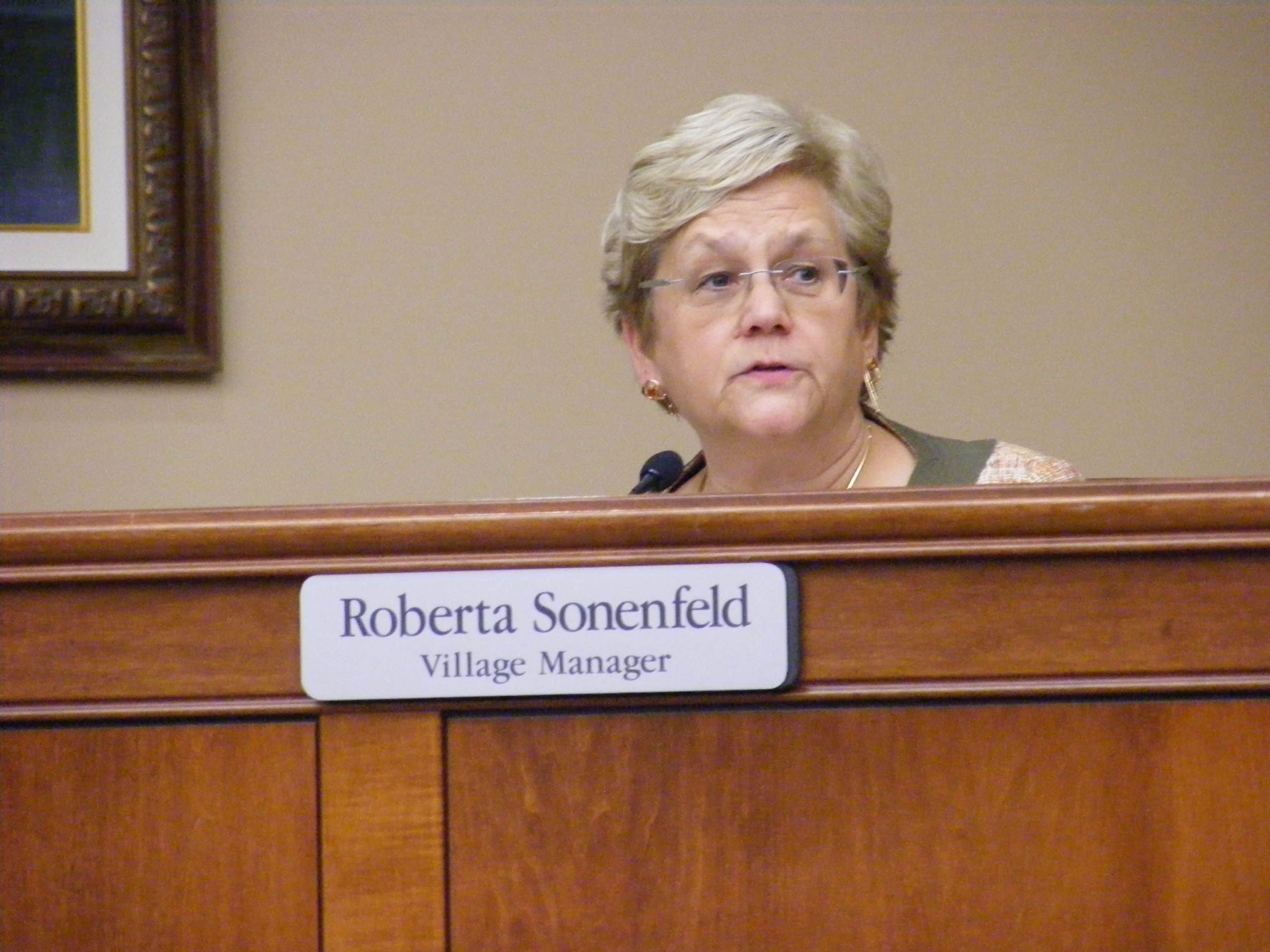
The issue of updating the salary ranges and titles was first broached in September when Village Manager Roberta Sonenfeld presented the possibility of hiring certain employees at a salary higher than the minimum listed in the village’s salary ranges.
The purpose of changing the ordinance was to give the manager discretion and flexibility in hiring employees with qualifications that would suggest bringing them in at a higher salary and allow the village to get the best employee for the position. The ordinance could extend to both public safety and non-public safety employees.
At that time, Sonenfeld also offered to include in the ordinance a provision that anytime an employee is brought in at a salary higher than the low end of the pay range, the details would be discussed during the open session portion of a council meeting for the sake of clarity.
Since then, Sonenfeld, Village Clerk Heather Mailander and Human Resources Director Sharyn Matthews have met several times to continue work on the ordinance and discovered more aspects in need of an update.
Discussion focused on the addition of new titles and the deletion of unused ones. Sonenfeld said ranges had not been adjusted, but new ranges would be presented for consideration when the yearly salary ordinance is adopted.
N.J. towns may push hospitals to pay up; more could seek property tax deals with non-profits
NOVEMBER 11, 2015, 11:14 PM LAST UPDATED: WEDNESDAY, NOVEMBER 11, 2015, 11:22 PM
BY LINDY WASHBURN
STAFF WRITER |
THE RECORD
Cash-strapped local governments around the state may be looking at non-profit hospitals with new eyes, now that the non-profit Morristown Medical Center has agreed to pay its hometown $15.5 million over the next decade to settle demands for property taxes.
A judge in state tax court took away the hospital’s property-tax exemption in June, declaring that it operated more like a for-profit company than a charitable institution. Rather than appeal the decision, the hospital negotiated an agreement with the town, which was approved Tuesday night.
“Clearly, this is an open invitation for a number of towns,” Frank Ciesla, head of the health-law practice at Giordano, Halleran & Ciesla, said Wednesday. “I think you’re going to see a lot more in the way of litigation.”
Non-profit hospitals are among the largest landowners in some municipalities. Local governments could begin by assessing taxes on their property, leading to a series of appeals as hospitals seek to clarify their status, he said.
The Valley Hospital’s tax liability would be $4.5 million in Ridgewood if its main campus was not exempt, and $360,000 in Paramus, according to local records. (It already pays taxes on some other properties.) Hackensack University Medical Center reached a settlement this year of various tax issues that is to result in a $5.1 million payment to the city treasury over three years. Holy Name Medical Center in Teaneck, Englewood Hospital and Medical Center and St. Joseph’s Healthcare System’s hospitals in Paterson and Wayne all are exempt from local property taxes.
Ridgewood Mayor Paul Aronsohn said that it hasn’t been possible to raise the issue of taxes — or a payment in lieu of taxes — with Valley during the last few years because of the hospital’s pending application for approval of its building plans.
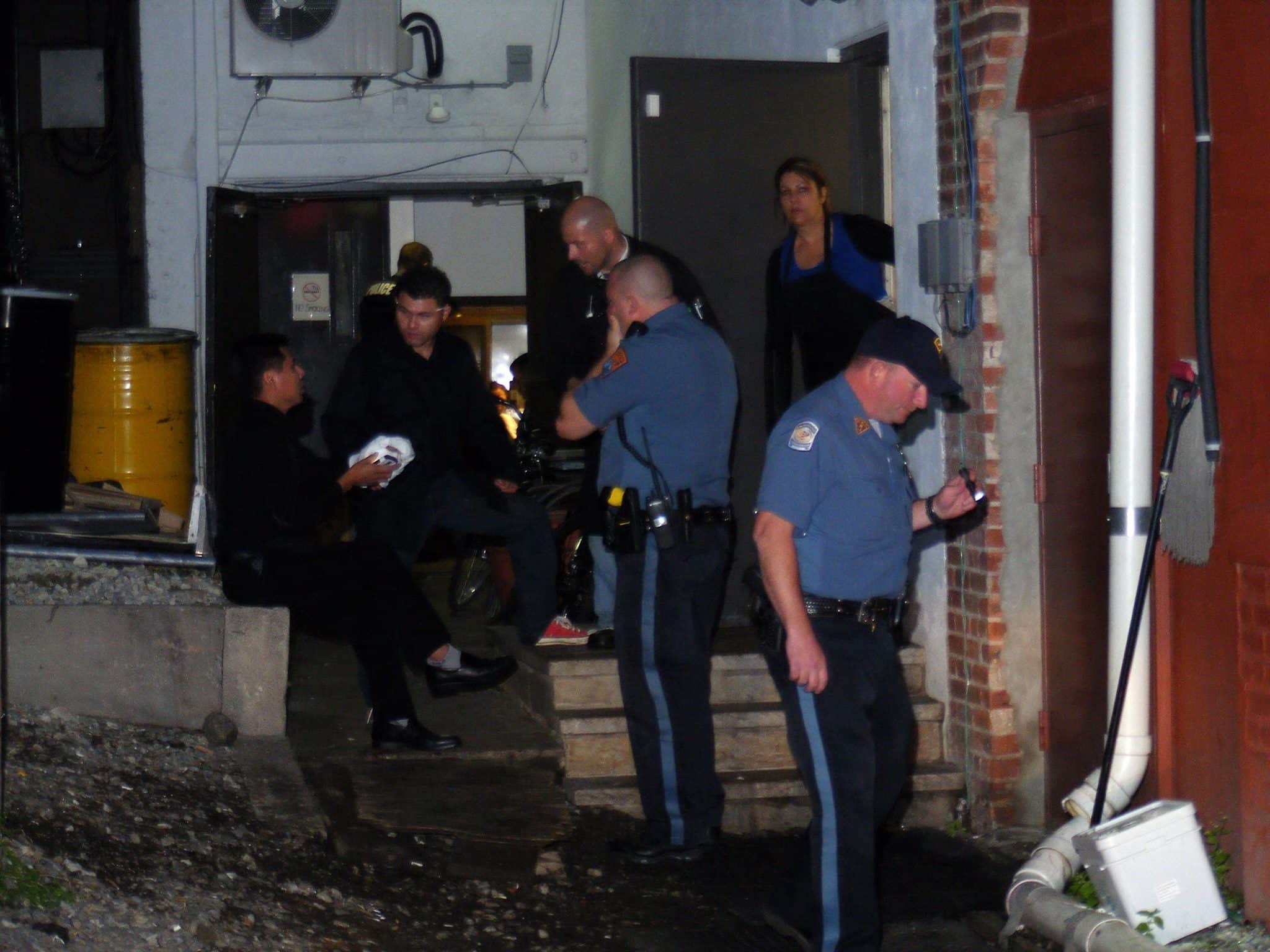
Ridgewood NJ, Ridgewood Police officers at the scene of an assault with a knife that took place in the rear of a restaurant located at 31 Chestnut Street shortly before 5 PM on Wednesday, 11/11. A male victim was transported by ambulance to The Valley Hospital with non-life threatening injuries to his hand. Police apprehended a male suspect at the scene. He was placed under arrest and transported to Ridgewood PD headquarters. Charges are pending.
Cold sun rising
Sam Khoury
Special to The Nation November 11, 2015 1:00 am
New studies flip climate-change notions upside down
The sun will go into “hibernation” mode around 2030, and it has already started to get sleepy. At the Royal Astronomical Society’s annual meeting in July, Professor Valentina Zharkova of Northumbria University in the UK confirmed it – the sun will begin its Maunder Minimum (Grand Solar Minimum) in 15 years. Other scientists had suggested years ago that this change was imminent, but Zharkova’s model is said to have near-perfect accuracy.
So what is a “solar minimum”?
Our sun doesn’t maintain a constant intensity. Instead, it cycles in spans of approximately 11 years. When it’s at its maximum, it has the highest number of sunspots on its surface in that particular cycle. When it’s at its minimum, it has almost none. When there are more sunspots, the sun is brighter. When there are fewer, the sun radiates less heat toward Earth.
But that’s not the only cooling effect of a solar minimum. A dim sun doesn’t deflect cosmic rays away from Earth as efficiently as a bright sun. So, when these rays enter our atmosphere, they seed clouds, which in turn cool our planet even more and increase precipitation in the form of rain, snow and hail.
Solar cycles
Since the early 1800s we have enjoyed healthy solar cycles and the rich agriculture and mild northern temperatures that they guarantee. During the Middle Ages, however, Earth felt the impact of four solar minimums over the course of 400 years.
The last Maunder Minimum and its accompanying mini-Ice Age saw the most consistent cold, continuing into the early 1800s.
The last time we became concerned about cooler temperatures – possibly dangerously cooler – was in the 1970s. Global temperatures have declined since the 1940s, as measured by Pacific Decadal Oscillation. The PDO Index is a recurring pattern of ocean-atmosphere climate variability centred over the Pacific Ocean. Determined by deep currents, it is said to shift between warm and cool modes. Some scientists worried that it might stay cool and drag down the Atlantic Decadal Oscillation with it, spurring a new Ice Age. The fear was exacerbated by the fact that Earth has been in the current inter-glacial period for 10,000 years (depending on how the starting point is gauged).
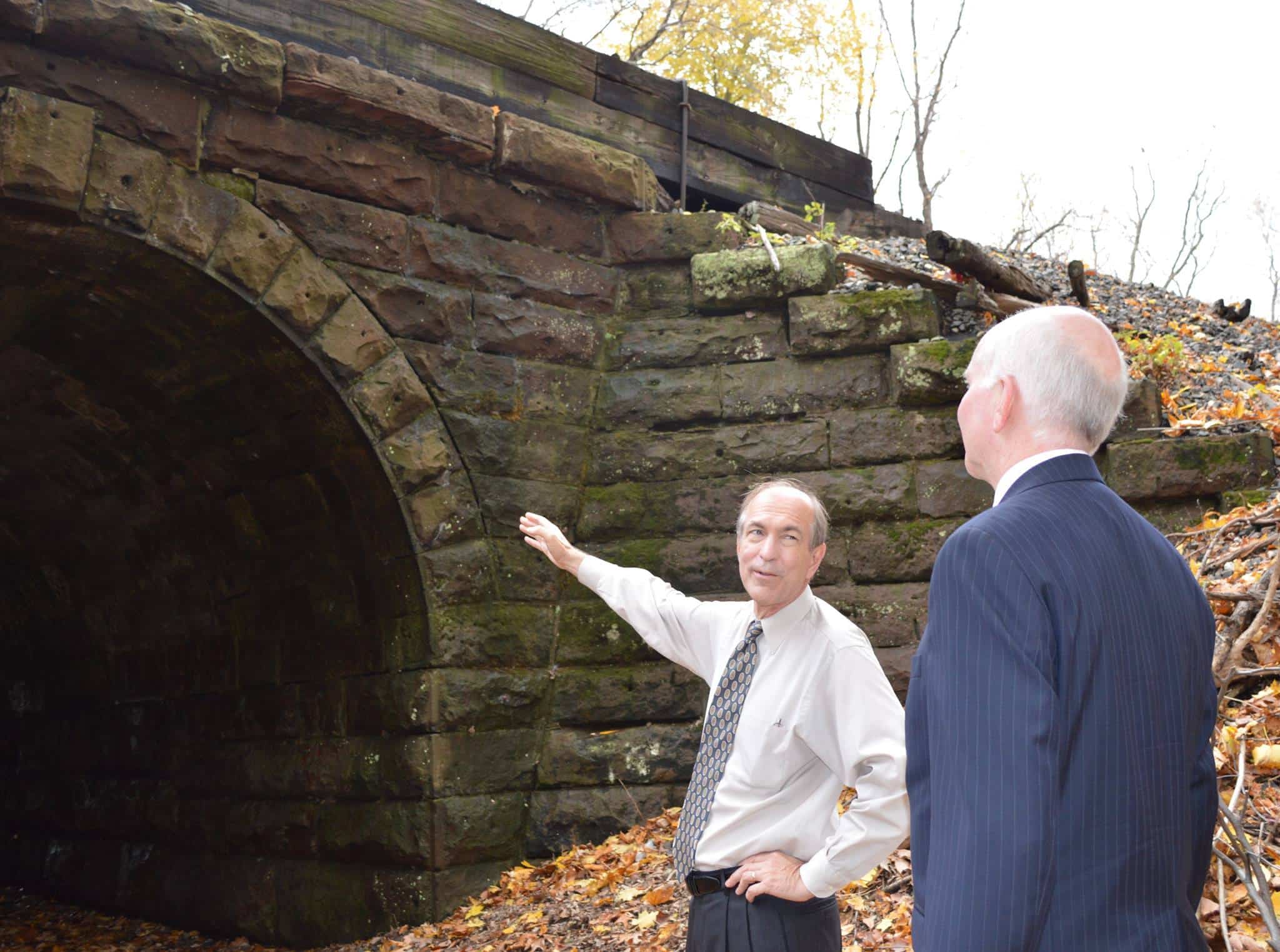
Rep. Garrett tours key railroad tracks and infrastructure carrying crude oil through NJ-05 in Haworth (left) and Harrington Park (right) with local officials.
Nov 10, 2015
the staff of the Ridgewood blog
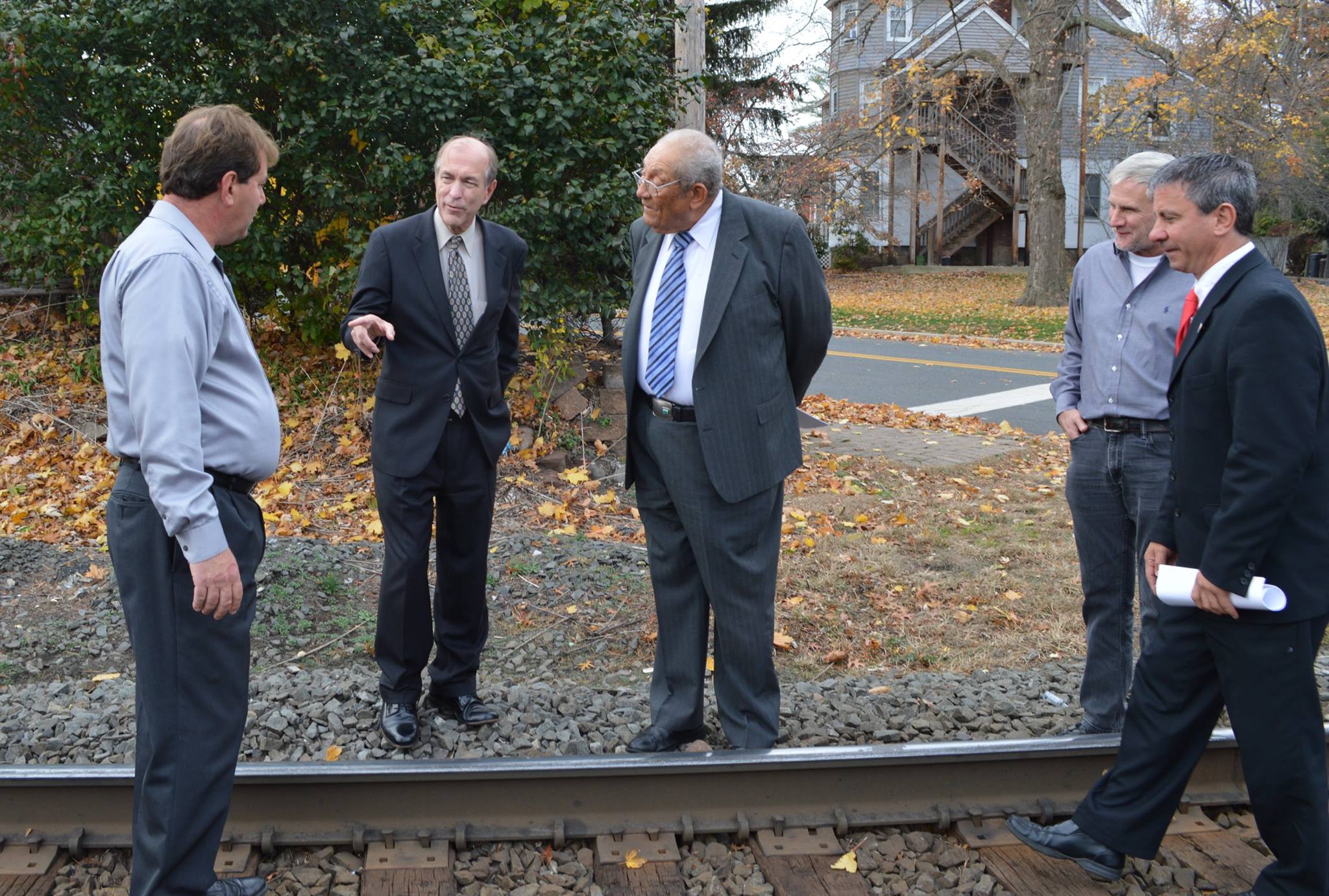
Harrington Park NJ, Rep. Scott Garrett (NJ-05) toured key railroad tracks and infrastructure carrying crude oil through NJ-05 in Haworth and Harrington Park with local officials. The tour allowed Congressman Garrett to see first-hand the measures being taken to prevent an environmental disaster and listen to the concerns of local elected officials about rail safety.
“The safety and security of northern New Jersey is my top priority, and it’s important that everyone knows that my office is a resource for the towns in my district,” said Garrett. “We need to ensure an open line of communication exists between local officials, the rail industry, federal officials, and New Jersey residents, and that’s why I’ve demanded answers from federal agencies such as the FRA, the DOT, and the OMB. I will continue to work with the mayors to guarantee the safety of our communities.”
Background:
With an increased number of trains carrying crude oil throughout the country, the safety and reliability of the train tracks and infrastructure carrying this oil through New Jersey is a top priority for Congressman Garrett. This year, he has called on the Department of Transportation (DOT) and OMB to finalize a rule about the safety of DOT-111 tank cars that carry crude oil, introduced an amendment to increase funding to rail safety and operations, and requested information from the Federal Railroad Administration about safety reports.