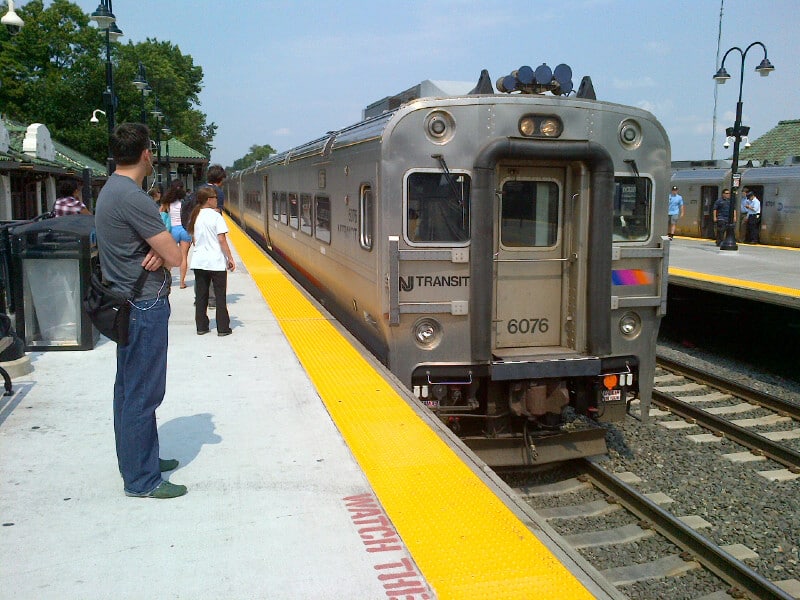
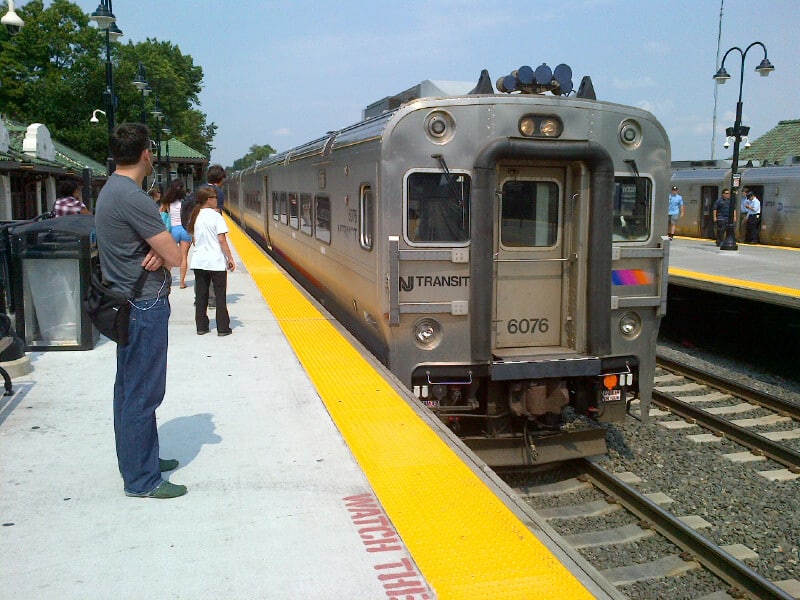
A bill sponsored by Assemblyman Rob Clifton, R-Monmouth, would force NJ Transit to offer a free replacement ticket to a rail rider if their train is more than an hour late.
Clifton points out that a similar idea was offered for awhile by SEPTA in Pennsylvania before it was discontinued.
“We heard from the customers and the commuters about the issues. You guys (New Jersey 101.5) reported, actually, back in April, about customer service issues, customer complaints and the delays. There was a hearing back in April before your story, where folks got up and addressed their complaints.”
Clifton says this refund idea is all about improving the customer experience for NJ Transit rail riders. The independently run NJ Transit reports that 13 percent of their trains in June were late.
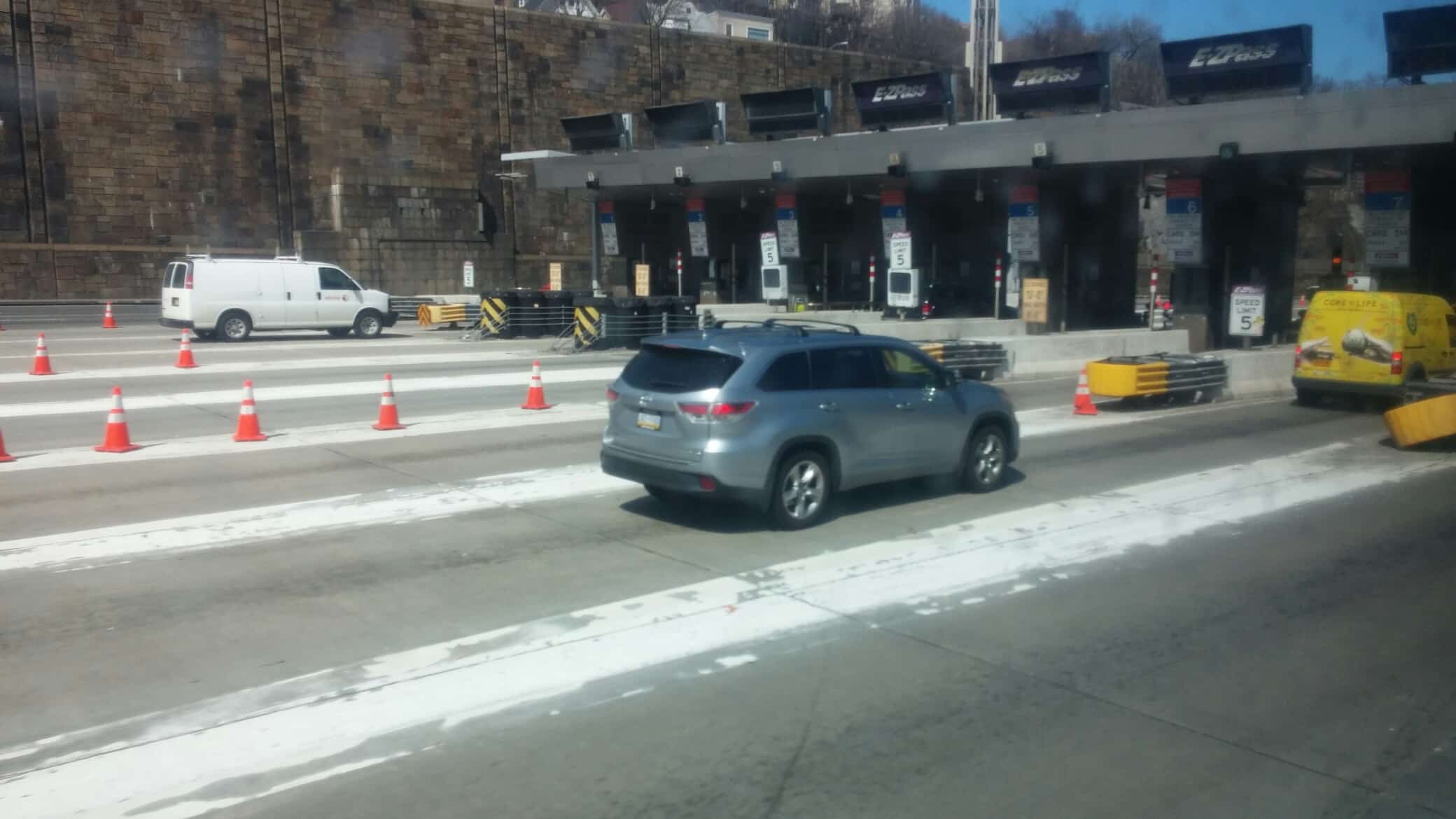
Assemblywomen Holly Schepisi , “Under this absolutely inane proposal it would cost a resident of Northern New Jersey $26 in tolls just to drive into midtown Manhattan and return home. When will these politicians understand that we are being taxed out of the region?”
Will you pay more to travel to parts of Manhattan?
Joseph Spector, Albany Bureau Chief Published 12:34 p.m. ET Aug. 14, 2017 | Updated 3:20 p.m. ET Aug. 14, 2017
Gov. Andrew Cuomo on Thursday, June 29, 2017, discusses reforms he plans for the Metropolitan Transportation Authority, which has struggled with growing problems on its subways and trains.Joseph Spector, Albany Bureau
ALBANY – Commuters or visitors to Manhattan may have to pay more in tolls — depending on the route and the time of day.
Gov. Andrew Cuomo is warming to the once moribund proposal to install congestion pricing in New York City, a move that would impact the suburbs and upstate travelers.
Cuomo said the proposal, which he is developing, would aim to alleviate traffic in the city and raise revenue to pay for long-term repairs to the troubled Metropolitan Transportation Authority.
NJ Transit has quite a few rank-and-file employees who earned more than $75,000 each in overtime in 2016. In some cases, they take home a bigger paycheck than their boss.
One police sergeant took home a total of $229.575, more than NJ Transit’s police chief, who earned $162,273 or the $208,988 made by the executive director last year.
Why is overtime so high?
Unforeseen events play a large role in dictating how much overtime is needed, said Penny Bassett, an NJ Transit spokeswoman.
During a recent incident where a truck that was too high hit a rail bridge in Pennsauken, track inspectors and crews were dispatched to make immediate repairs to make conditions safe for customers and the general public, she said. In that incident, service was restored sooner than officials predicted.
In other cases, use of planned overtime is a management tool, she said. Sometimes, overtime is cheaper than the cost of salary and benefits of hiring a new employee.
NJ Transit officials said the agency has lost employees to other commuter railroads, which has resulted in using overtime to cover those vacancies. Last November, Executive Director Steven Santoro said the agency has seen a 5 to 10 percent decline in the number of maintenance employees in the last few years.
Upgrades right on schedule, agency says, but there might be more work needed after summer is over that could affect NJ Transit commuters
The major repairs at New York’s Penn Station that have pushed thousands of New Jersey Transit commuters off their normal routes into Manhattan this summer are right on-schedule after the first month of work.
The steady progress means service changes that have been in place since early July are still likely to end soon after Labor Day. But with the aging station and its heavily used infrastructure in need of even more fixing up once summer ends, additional track outages that could again impact NJ Transit may be looming.
According to the latest update from Amtrak, the agency that owns Penn Station and has been leading the ongoing repairs, workers will need roughly another month to finish fixing up Track 10 and a part of the facility that includes a very busy section known as “A Interlocking.” While the workers still have “considerable challenges ahead,” Gery Williams, Amtrak’s chief engineer, said they remain on course to complete those repairs by September 4.
“Really, overall, we’ve had a really, good week,” Williams told reporters on Friday as the project reached its official midway point. “From the project aspect, we’re 50 percent completed.”
“We’re very focused on delivering by Labor Day,” he said.
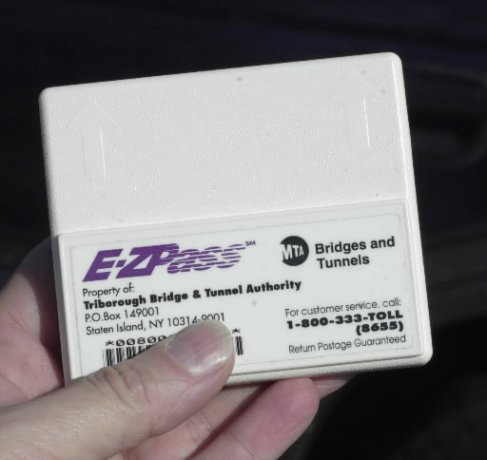
TRENTON, NJ. – Assemblyman Kevin J. Rooney (R) has introduced a package of pro-commuter bills protecting New Jersey’s E-ZPass customers who use New York’s bridges and tunnels from being overcharged.
The legislation is in response to a recent AAA study that found drivers who purchased E-ZPass tags from out of state agencies are being charged the cash rate instead of the discount rate at New York bridges and tunnels operated by the Metropolitan Transit Authority. Between 2012 and 2016, of the 92 million out-of-towners who didn’t receive the discount rate, 70 million were New Jersey drivers.
“One of the primary reasons E-ZPass was created was to offer drivers discounted rates,” said Rooney (R-Bergen). “We now find that certain drivers are given preferential treatment – the only reason for which is that their E-ZPass was issued by a New York agency. These bills are an effort to level the playing field for our commuters and ensure the integrity of the E-ZPass system.”
Ridgewood NJ, amazingly with what seems like a daily occurrence of commuter disasters Democrat Senator Bob Gordon shockingly declares NJ Transit ‘working pretty well’ ?
Senator Bob Gordon (D-38) is running for reelection this year is also serving as chairman of the N.J. Senate committee responsible for overseeing public transportation issues.
NJ TRANSIT Executive Director Steve Santoro called this summers Amtrak New York Penn Station track work , an “all-hands-on-deck effort to communicate with our customers,” Warning, “This will not be a normal commute for any of us including our customers, so we ask that you; stay connected to social media and our web page for the latest information; stay ahead by building in extra time for your commute; and stay cool and try not to lose patience”
Looks like Senator Gordon did not get the memo,but you would think the guy would read a paper or turn on a TV once in a while .
Ridgewood NJ, New Jersey Transit is weighing whether it can pursue disciplinary action against train engineers after a manpower shortage forced dozens of ride cancellations causing further commuter uproar this week amid the “summer of Hell” track work at New York’s Penn Station.
NJ Transit Executive Director Steve Santoro said at a joint Assembly-Senate oversight committee that there were 40 total cancellations Sunday and Monday and that he will meet later this week with union leaders.
The union contract spells out the process for discipline, Santoro said after the Democrat-led hearing. “If it’s appropriate, disciplinary action will occur consistent with the contract,” he said.
At this point it is still unclear how many of the cancellations stemmed from engineers exercising a contract provision that allows them to take two days to report for work when schedule changes are made. But vacations and the summer track work also may have been a factor, Santoro said.
James Brown, chairman of the Brotherhood of Locomotive Engineers and Trainmen disputed the claim that the engineers do not want to come to work.
Republican state Sen. Joe Kyrillos got into a heated exchange, at one point asking Santoro whether it was true they were “screwing” NJ Transit customers by not working earlier this week.
Once again the hearings have made it all the more abundantly clear that Trenton has not clue what the commute is like to New York City every day and would explain the media ,obsession with “the bidgegate ” faux traffic delays.
Operating budget keeps fares stable; Capital budget continues financial commitment to enhance overall customer experience
July 13,2017
the staff of the Ridgewood
Ridgewood NJ, The NJ TRANSIT Board of Directors today adopted a Fiscal Year 2018 (FY 2018) operating budget and capital program that supports continued investments in infrastructure and equipment to maintain the system in a state of good repair and enhance the overall customer experience.
“NJ TRANSIT is moving forward with a balanced budget that reflects a laser-like look at individual business lines in order to maximize efficiencies and maintain a safe transportation system,” NJ TRANSIT Executive Director Steven H. Santoro. “As transit professionals, we owe our customers and stakeholders a solid plan that has the least impact on our riders. After much hard work, I am confident we delivered on that.”
The Board adopted a $2.218 billion operating budget and a $1.367 billion capital program for Fiscal Year 2018.
Almost half of the revenue in the FY 2018 operating budget comes from passenger revenue ($1.014 billion), supported by a comparable amount from state and federal program reimbursements ($947.7 million) with the balance from a combination of commercial revenues ($115.2 million) and state operating assistance ($140.9 million).
The capital program calls for continued investment in the state’s transit infrastructure to maintain a continued state-of-good-repair and provide reliable transit service.
Operating Budget
The FY 2018 operating budget reflects an increase of state and federal reimbursements, which will enable NJ TRANSIT to meet the agency’s projected expenses this fiscal year. Approximately 61 percent of the operating budget is dedicated to labor and fringe benefits costs. Other significant expenses include materials and supplies and purchased transportation, which equal 25 percent of the operating budget.
Overall passenger revenue and commercial revenue represents approximately 51 percent of the total revenue.
Capital Program
The FY 2018 capital program continues to prioritize investment in infrastructure to maintain an overall state of good repair, enhance safety and reliability, and improve the overall customer experience on the system.
With the FY 2018 capital program, NJ TRANSIT continues its financial commitment to Positive Train Control.
The program continues to invest in railroad bridge rehabilitation, track replacement, signal upgrades, repairs to overhead power lines and electric substations as well as investments into the state-of-good-repair of the Northeast Corridor (NEC),
the agency’s most utilized rail line.
Approximately 53 percent of the program funds the basic capital program improvements needed to maintain and improve the transit system, including $201 million in rail infrastructure needs and $109 million in rail rolling stock improvements.
Other highlights of the program include $47 million in rail station improvements: $3 million for Cranford Station; $9 million for Elizabeth Station; $18 million for Perth Amboy Station; $2 million for Roselle Park Station; and $6 million for other station and terminal improvements, inspections and repairs.
The program also supports continued investment in the light rail system with $168 million being invested in bus and light rail infrastructure improvements: $99 million for replacement vehicles; $11 million for the Capital Asset Replacement Programs for both the Newark Light Rail and Hudson-Bergen Light Rail systems; and $17 million for bus passenger facilities and bus support facilities/equipment.
In addition, this budget allows for $86 million to be invested in system-wide improvements including: $9 million in technology improvements and $6 million for safety improvements; $33 million in system expansion improvements, including $29 million for Northern Branch Expansion and $4 million for the Hudson-Bergen Light Rail Route 440 Improvement.
Approximately 50 percent of the capital budget comes from the Transportation Trust Fund (TTF), with 47 percent from the Federal Transit Administration (FTA) and Federal Highway Administration (FHWA), and 3 percent from other sources.
Updated on July 11, 2017 at 4:39 PMPosted on July 11, 2017 at 10:33 AM
By Larry Higgs
NJ Advance Media for NJ.com
Drivers using E-ZPass tags issued by other agencies are being charged the cash rate at New York bridges and tunnels run by the MTA, instead of receiving the E-ZPass discount, a AAA study found.
New Jersey drivers took the worst beating out of any other state between 2012 and 2016, with 70 million people charged the cash rate at MTA crossings out of 92 million out-of-towners who weren’t given the discount, AAA said.
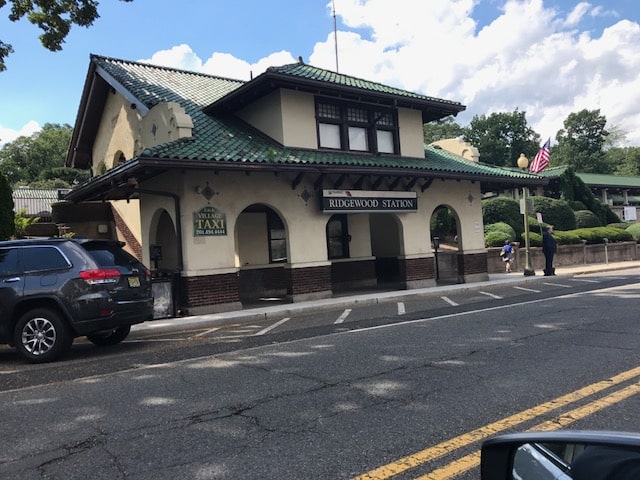
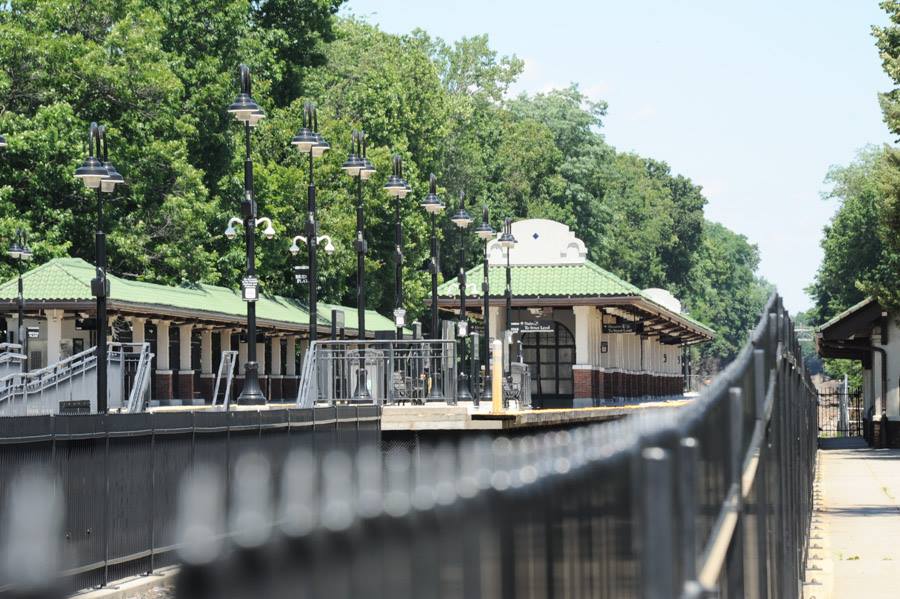
Ridgewood NJ, the Ridgewood Train Station Historic district includes Garber and Wilsey Square and the the entire train station plaza ie the parking lot and is known as the Ridgewood central railroad Historic district .
Ridgewood would need an DEP approval to add additional parking at the Historic Train Station. The Village engineer Christopher Rutishauser had already submitted the application to the DEP and that application was challenged at the Council Meeting on Wednesday Night by Cynthia Halaby claiming it held many erroneous assertions .
In recent discussions the Village Council has been challenged by several Village committees and residents of the loss of green space at the train station . These are the same individuals and committees who supported clear cutting 5 acres of trees at Schedler Park.
Amazing how when a pota-potty sat in the train station median for months in 2015 no one uttered a peep about its visibility at the Ridgewood Train Station Historic district..
By Vince Calio, June 5, 2017 at 12:51 PM
Amtrak and NJ Transit would use a new Gateway tunnel under the Hudson River. – (AARON HOUSTON)
Private firms will be sought to help finance and construct the $20 billion rail tunnel connecting northern New Jersey and New York City.
During its June 1 board meeting, the Gateway Program Development Board approved a move to solicit private construction and finance companies to complete the project under a public-private partnership model. In a typical P3 procurement model, private financial institutions would raise part of the money for a public project through a combination of debt and direct equity infusions, and then hire outside construction firms to complete it.
If implemented, the procurement model could pump several billion dollars into both New York and New Jersey’s economy, said the board’s chairman, Richard Bagger, during the meeting.
Ridgewood NJ, its coming ,the modified Service Plan Due to Amtrak’s Summer Track Repair Work in Effect Monday, July 10 through Friday, September 1, 2017
NJ TRANSIT rail customers have been forced to deal with delays, derailments and unreliable service because Amtrak, which owns the tracks our service relies upon, has neglected the maintenance of its critical infrastructure for years. For three-quarters of NJ TRANSIT rail customers travel patterns will not be modified, including the Trenton to New York Northeast Corridor Line. However, delays on all rail lines, except for the Atlantic City Rail line, are inevitable.
Long overdue Amtrak track repair work will significantly disrupt travel this summer for customers who normally travel on the Morris & Essex Midtown Direct service to and from Penn Station New York. As a result, for their inconvenience, Morris & Essex Lines customers will receive about a 50 percent discount off the regular Hoboken ticket cost, in addition to cross-honoring with ferry and PATH service at Hoboken Terminal.
Below is the overall rail service plan for customers who will be traveling into Penn Station New York and Hoboken Terminal this summer.
NJ TRANSIT Service Plan for July 10th – September 1st The following weekday rail service plan will be in place continuously from July 10th through September 1st.
Midtown Direct trains on the Morristown Line will be diverted to Hoboken.
Midtown Direct trains on the Gladstone Branch will be diverted to Hoboken.
All Midtown Direct trains on the Montclair-Boonton Line will operate on regular weekday schedules with minor time changes to/from PSNY.
All Northeast Corridor and North Jersey Coast Line trains will operate on regular weekday schedules with minor time changes to/from PSNY.
Raritan Valley Line will operate on regular weekday schedules with adjustments to PSNY schedules. Main/Bergen, Pascack Valley and Port Jervis Lines will operate on regular weekday schedules however customers may need to adjust their connections to New York at Secaucus.
Ridgewood NJ, Assemblywomen Holly Schepisi shares a commuter update from New Jersey Transit.
COMMUTER UPDATE from NJ Transit:
NJ TRANSIT has heard from our customers that their lives have been turned upside down by the almost daily delays resulting from Amtrak’s emergency repair work that is going on at Penn Station New York (PSNY). This is before the continuous summer work that Amtrak will perform in July and August.
Amtrak has acknowledged that it must do extensive and disruptive work to its tracks and infrastructure at PSNY this summer due to years of its neglect. NJ TRANSIT has challenged Amtrak to make the necessary repairs and Amtrak maintains this work must be done now.
Amtrak’s summer repair and renewal work will reduce the number of trains that NJ TRANSIT can send in-and-out-of PSNY, particularly during peak periods. With Amtrak taking out multiple tracks that NJ TRANSIT uses every single day, NJ TRANSIT developed a modified summer rail schedule that will be in effect from July 10th through September 1st. The location and extent of Amtrak’s work means that instead of being able to send 21 trains into New York during the busiest hours of the morning rush, NJ TRANSIT will send 15.
Even under these constraints, NJ TRANSIT’s experienced transportation service planners were able to develop a service plan that allows three-quarters of our customers to continue to experience their regular travel pattern into New York. Nearly all customers traveling on the Northeast Corridor, North Jersey Coast Line, Raritan Valley, Montclair-Boonton, Pascack Valley, Main/Bergen and the Port Jervis Lines will continue their same travel pattern as they do today.
However, there is an impact to having fewer trains per-hour into New York during this two-month period; some of NJ TRANSIT’s customers will move to a two-seat ride into-and out-of Manhattan each weekday.
Recognizing the inconvenience of the affected customers on the Morris & Essex Lines, they will be charge much lower fares – 50 to 63 percent less than the price they usually pay for tickets and passes. To provide the maximum number of travel options, we are also developing a strategic increase to bus service in affected areas; light rail service will be adjusted and NJ TRANSIT will offer free cross-honoring with PATH and the ferries.
Customers will see a robust communication campaign in concert with the release of schedules and travel alternatives the first full week of June through all traditional and social media outlets available to us. NJ TRANSIT employee ambassadors will be out at key terminals including Penn Station, Hoboken, Newark and other locations beginning next month, to answer questions and hand out information to help prepare customers for the continuous Amtrak outages that will impact them this summer.
For the summer, NJ TRANSIT has insisted on having a Joint Station Operations Center at PSNY for better crowd management and customer communication. NJ TRANSIT has also insisted Amtrak have rescue engines crewed and ready to respond if there is a breakdown or disruption this summer, to keep one delayed train from creating a cascade of misery for the customers on many other trains.
NJ TRANSIT also insisted on a number of other steps to benefit New Jersey customers this summer, including:
· That the west end concourse at PSNY be opened for NJ TRANSIT customers.
· That the blanket 10 mph speed restriction now in place near PSNY be lifted prior to July 10.
· That NJ TRANSIT is allowed to perform field inspections of the renewal work.
· That Amtrak provide daily written progress reports.
· And that an NJ TRANSIT representative be involved in day-to-day dispatching decisions.
Longer term, NJ TRANSIT will demand that New Jersey have more input on Amtrak’s priorities for repair and replacement of infrastructure, to ensure that state of good repair efforts – those projects most directly tied to the safe and reliable service, are being advanced where they are needed most, so that NJ TRANSIT’s customers can have safe, reliable service, day in and day out.
As New York and New Jersey residents continue to grapple with the region’s ailing mass transit system, Governors Andrew Cuomo and Chris Christie on Tuesday stood before reporters on opposite sides of the Hudson River and, in dueling press conferences, explained how they planned to deal with the crisis.
Both said riders on NJ Transit and Long Island Rail Road trains should expect, as Christie put it, “a summer of hell.”
Dear President Trump – please do the right thing here. Ask NY/NJ to drop dead. I say this as someone who has to endure the torturous commute every single day.
These states are involved in pillaging BILLIONS of dollars collected as taxes/tolls/fares, paid by honest citizens, on their union cronies and other political constituents, instead of spending the same on desperately needed infrastructure.
Not a penny of federal aid is required to build and maintain infrastructure. There is no shortage of money. A few years of tolls collected on the three 50-100 year old Hudson crossings alone is enough to build a new tunnel. Of course, no one really knows where that money goes.
Please do not bail them out. This will only encourage them to steal more.