

A pool can look clean at first glance. The surface may be free of leaves, the water may look blue, and the patio may feel ready for a weekend gathering. But clear looking water does not always mean the pool is fully clean.
Some of the most common pool problems are easy to miss. Fine sand settles on the floor. A light algae film can build on the walls. Sunscreen, body oils, pollen, and dust can collect around the waterline. Steps, ledges, corners, and low-flow areas may also hold dirt long after the surface looks tidy.
Complete pool care means looking beyond the top of the water. For homeowners, the goal is not to turn pool care into a complicated job. It is to understand where dirt collects and build a simple routine that covers the floor, walls, waterline, filtration system, and water balance.
When those parts work together, the pool looks better, feels better, and stays easier to manage.
Why Pool Floors Collect the Dirt You Do Not Notice First
Sand, Dust, and Organic Debris Settle at the Bottom
The pool floor catches what the surface no longer holds. Sand, soil, fine dust, leaf fragments, dead insects, and small organic particles eventually sink. In deeper pools, the debris may not be obvious right away. In shaded areas or pools with darker finishes, a thin layer of dirt can sit on the bottom without looking serious until someone swims and stirs it up.
This is why skimming alone is not enough. A net can remove floating leaves, but it cannot pick up grit already sitting on the floor. Once particles settle, they need vacuuming, robotic cleaning, or another bottom-cleaning method.
Corners, steps, drains, and deep-end slopes deserve extra attention. These areas often have weaker circulation, so fine debris can collect there first. If the pool has a more complex shape, floor cleaning becomes even more important because straight cleaning paths may miss the places where dirt naturally gathers.
Why Pool Walls Need Regular Brushing and Scrubbing
Pool walls may not look dirty in the same way the floor does, but they still collect buildup. A wall can develop a thin, slippery film from algae, oils, minerals, or fine dirt. This buildup is easy to miss until the surface feels slick or starts to discolor.
Walls near steps, ladders, lights, corners, and shaded areas often need more attention. Sunlight, water movement, and swimmer contact all affect where algae film begins. Even if a robot or vacuum handles the floor well, some wall areas may still need brushing to keep the surface clean.
Brushing also helps loosen particles so the filter or cleaner can remove them. If the wall is brushed but the water is not circulated or filtered well afterward, loosened debris may simply drift and settle somewhere else.
Use the Right Brush for the Pool Surface
Pool surfaces need different levels of care. Vinyl liners and fiberglass usually need softer brushes to avoid scratching. Concrete and plaster can often handle firmer brushing, but that does not mean heavy scrubbing is always necessary. Tile may need more focused care around grout and the waterline.
The best habit is regular light brushing. Waiting until the wall feels slimy or stained usually means more effort later.
Why the Waterline Is Often the Dirtiest Part of the Pool
The waterline is where many pool owners first notice that the pool does not feel fresh. It is the narrow area where water meets air, and it collects a mix of sunscreen, body oils, cosmetics, pollen, dust, minerals, and floating debris.
After a few busy swimming days, the waterline can develop a dull ring. It may look like a light stain, a greasy mark, or a dusty line around the pool edge. Even when the water itself looks clear, a dirty waterline can make the whole pool feel neglected.
Water level changes can make this worse. As the water rises and falls, residue may dry along the edge. In areas with hard water, mineral deposits can add a chalky or crusty look. If the waterline is not cleaned regularly, the buildup becomes harder to remove.
For a family pool or a backyard used for guests, this small detail matters. A clean waterline makes the pool look cared for, not just usable.
How Floor, Wall, and Waterline Cleaning Work Together
Floor, wall, and waterline cleaning are not separate chores that can be done randomly. They work best as one routine.
Start by skimming visible floating debris. Leaves, insects, and pollen are easier to remove before they sink. Then brush the walls, steps, and waterline to loosen film and residue. After that, vacuum or run a robotic cleaner so loosened dirt and settled debris can be collected. Finally, clean baskets, check the filter, and test the water.
This order helps reduce repeated work. If you vacuum first and brush later, dirt may fall back to the floor. If you brush but do not filter or vacuum, particles can stay suspended in the water. If you only look at the surface, the floor and walls may quietly build up dirt.
For homeowners comparing an above ground pool vacuum cordless option, this is the bigger lesson: convenience matters, but full care still depends on covering the right zones in the right order.
A Smarter Tool for Broader Pool Coverage
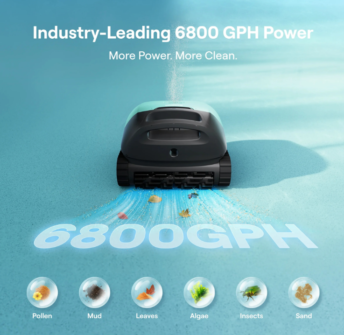
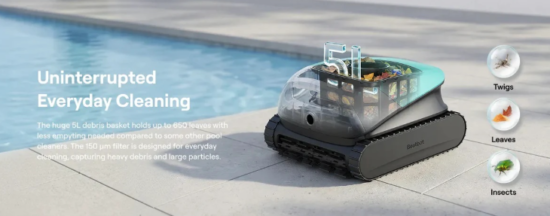
For homeowners who want floor, wall, and waterline cleaning to feel less like three separate chores, Beatbot AquaSense 2 Pro is a practical example of smarter support within a regular pool routine. It is designed for broader pool coverage, including the water surface, floor, walls, waterline, and water clarification support. In a real backyard pool, each zone gets dirty in a different way. Fine dust and sand settle on the floor, algae film can form on walls and steps, and sunscreen or body oils often collect around the waterline after a weekend of swimming.
A cleaner with multi-zone coverage can help reduce repeated manual brushing and vacuuming, especially for families that use the pool often. Instead of treating the floor, wall, and waterline as completely separate jobs every time, homeowners can use a tool that supports more of the routine in one cleaning cycle.
This does not mean the pool takes care of itself. Beatbot AquaSense 2 Pro should be seen as a support tool, not a replacement for complete maintenance. Homeowners still need to test pH and chlorine, clean filters, empty baskets, and brush awkward corners when needed. The best angle is simple: smarter cleaning support can make regular pool care easier to keep up with.
For readers looking at a robot swimming pool solution, the key is not just whether it moves around the pool. The better question is whether it helps with the actual trouble spots: the bottom, walls, waterline, steps, and areas where debris returns most often.
Floor, Wall, and Waterline Cleaning Checklist
A simple checklist can make pool care easier to repeat. The goal is not to do everything every day, but to keep each area from being ignored for too long.
| Cleaning Area | What Builds Up There | Best Cleaning Habit | Why It Matters |
| Pool floor | Sand, dust, leaves, fine debris | Vacuum or run robotic cleaner weekly | Prevents cloudy water and dirty patches |
| Pool walls | Algae film, fine dirt, scale | Brush or scrub regularly | Reduces slippery surfaces and algae growth |
| Waterline | Sunscreen, oils, pollen, mineral residue | Brush waterline weekly | Keeps the pool looking clean and polished |
| Steps and ledges | Dirt, algae film, settled debris | Brush and inspect by hand | These areas are easy to miss |
| Filter and baskets | Leaves, particles, trapped debris | Empty and rinse as needed | Keeps circulation strong |
| Water chemistry | pH, chlorine, alkalinity issues | Test and balance regularly | Keeps water safe and clear |
If the pool is used often, the waterline and steps may need more frequent checks. After heavy rain, wind, or a pool party, a quick clean can prevent a small mess from becoming a bigger job. If one area is always missed, change the cleaner’s starting position or brush that spot by hand.
Complete Pool Care Is About Consistency, Not Overwork
A pool does not need to be difficult to maintain, but it does need regular attention in the right places. Weekly light care is almost always easier than waiting until the water turns cloudy, the walls feel slick, or the waterline looks stained.
The floor, walls, and waterline each collect different types of dirt. The filter and baskets keep water moving. Water testing keeps chemistry in a safe range. Robotic cleaning tools can reduce repeated labour, but they work best when they support a routine rather than replace it.
Complete pool care means knowing where dirt collects and keeping each zone on a simple schedule. When the floor, walls, and waterline are all part of the routine, the water looks clearer, the surfaces feel better, and the pool is easier for the whole household to enjoy.





