
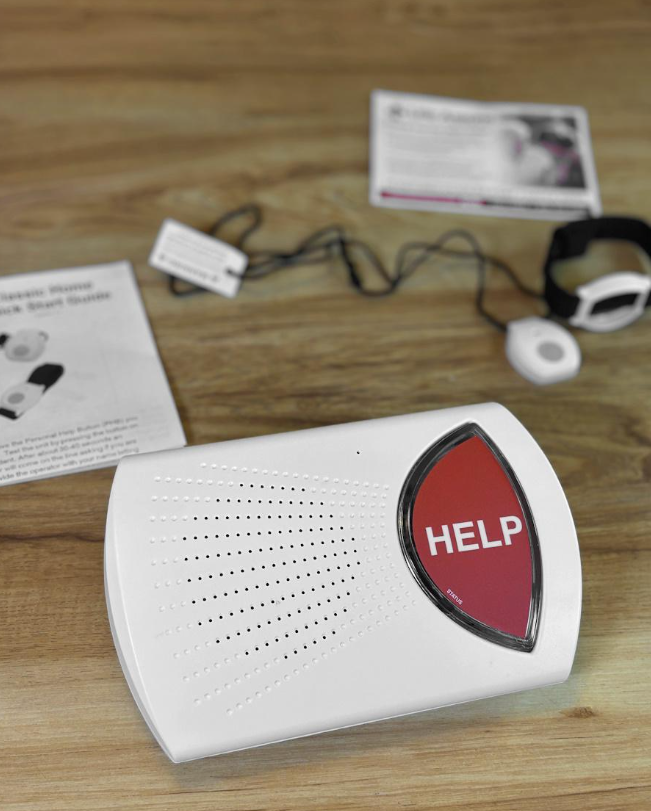
Your mom or dad wants to stay in the family house. That wish is normal, and it is often the right call. The worry is what happens during a fall when no one is near.
Image courtesy of Life Assure
A personal alarm answers that worry without limiting freedom. A provider such as Life Assure shows what a modern plan includes, and you can compare the personal alarm options at lifeassure.com before you decide. The goal here is plain guidance, not a sales pitch.
Life Assure is a Canadian company, and its monitoring service is available to customers in Canada only.
What Does It Mean to Age at Home Safely?
Aging in place means living in your own home as you grow older. It is a goal for most older adults, not a luxury. Roughly 3 in 4 adults over 50 say they want to stay put.
Safety is the catch. A slip in the bathroom can turn into hours on the floor. The right plan keeps the home familiar while adding a fast way to call for help.
Think about the daily rhythm of the house. Note where your parent walks, cooks, and bathes each day. Those spots are where a fall is most likely. A small change in one of them can prevent a bad night.
Start with the basics. Clear loose rugs, add grab bars, and light the stairs. A room-by-room safety checklist from the National Institute on Aging can guide that first pass. Then layer a personal alarm on top of those fixes.
How Does a Personal Alarm Work?
A personal alarm is a small device worn as a pendant or wristband. Press the button and it connects you to a monitoring center. A trained agent then talks with your parent and sends help.
Many units add automatic fall detection. A sensor reads a hard fall and calls for help on its own. That matters when a person is hurt and cannot press a button.
Falls are the reason most families act. About 1 in 4 older adults falls each year in the United States. Guidance from the Centers for Disease Control and Prevention points to simple steps that lower that risk.
Two-way voice ties the whole system together. A small speaker and microphone sit inside the pendant. The agent can talk with your parent at once during an alert. That short exchange tells them what help to send.
A mobile unit adds GPS for trips outside the home. The device shares a location with the agent during an alert. That helps most when your parent walks the dog or runs an errand.
Which Features Matter Most for Your Parent?
Match the device to the person, not the brochure. A daily walker needs a mobile unit with GPS. A homebody may do fine with a home base station.
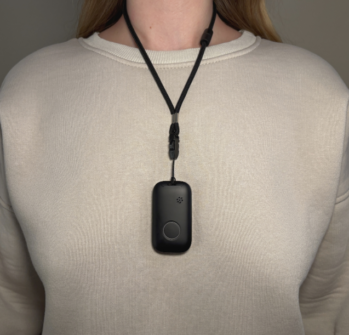
Image courtesy of Life Assure
Alt text: Life Assure medical alert pendant worn on a necklace
Ask a few plain questions:
- Does the plan include 24/7 monitoring?
- Is there a fall-detection option?
- What is the monthly cost, and are there hidden fees?
- How far does the pendant reach from the base, in feet?
A clear plan often runs $30 to $55 per month. Range on a home unit can reach 600 feet. Write the answers down and compare them side by side.
What Should You Ask a Provider First?
A good provider makes the terms easy to read. Call and ask a few direct questions before you buy. The answers show how the service treats families.
Ask about response times first. A center should answer an alert in under 60 seconds. Ask who staffs it and how the agents are trained.
Then ask about the contract. Look for month-to-month terms and no long lock-in. Confirm there is no activation fee and no charge to cancel.
Finally, ask about the equipment. Find out the battery life and the backup during a power cut. A home base should hold a charge for at least 24 hours.
How Can a New Jersey Family Prepare?
Local weather shapes the plan here. Ice and snow raise fall risk every winter. Families who read the Ridgewood winter parking guide know how fast a storm can trap a household.
Cost of living matters too. The debate over retiring in New Jersey pushes some families toward the current home. A personal alarm can make that choice safer. Senior living communities are one path, yet many parents prefer their own address.
Key Points for Choosing a Personal Alarm
- A personal alarm links your parent to help at the press of a button.
- Fall detection calls for help when a button press is not possible.
- Match a mobile GPS unit or a home base to the daily routine.
- Compare monthly cost, monitoring hours, and hidden fees.
- Plan for winter, when ice raises the risk of a fall.
Frequently Asked Questions About Personal Alarms
Will a Personal Alarm Work Without Wi-Fi?
Yes. Most modern units use a cellular signal. They do not depend on home Wi-Fi. That keeps them working during an outage.
How Much Does a Personal Alarm Cost?
Plans often range from $30 to $55 each month. Mobile units with GPS sit at the higher end. Ask about setup fees and contract terms before you sign.
Is Fall Detection Always Accurate?
No sensor catches every fall. Fall detection is a strong backup, not a promise. A short cancel window trims false alarms. Treat it as one layer of safety.
Can My Parent Wear the Device While Showering?
Most pendants are water resistant for the bathroom. The bathroom is where many falls happen. Check the rating before daily use. A device left on the sink helps no one.
Making the Choice Together With Your Parent
The best plan is one your parent will actually wear. Bring them into the talk early. Ask what feels helpful and what feels like a loss of control.
Frame the alarm as a tool for freedom. It lets your mom or dad stay home with less worry. That shared choice keeps independence and safety in balance.
Set it up together on the first day. Test the button and walk through what happens on a call. Add your own number as a contact so you hear about any alert. A device that everyone understands is the one that gets worn.





