
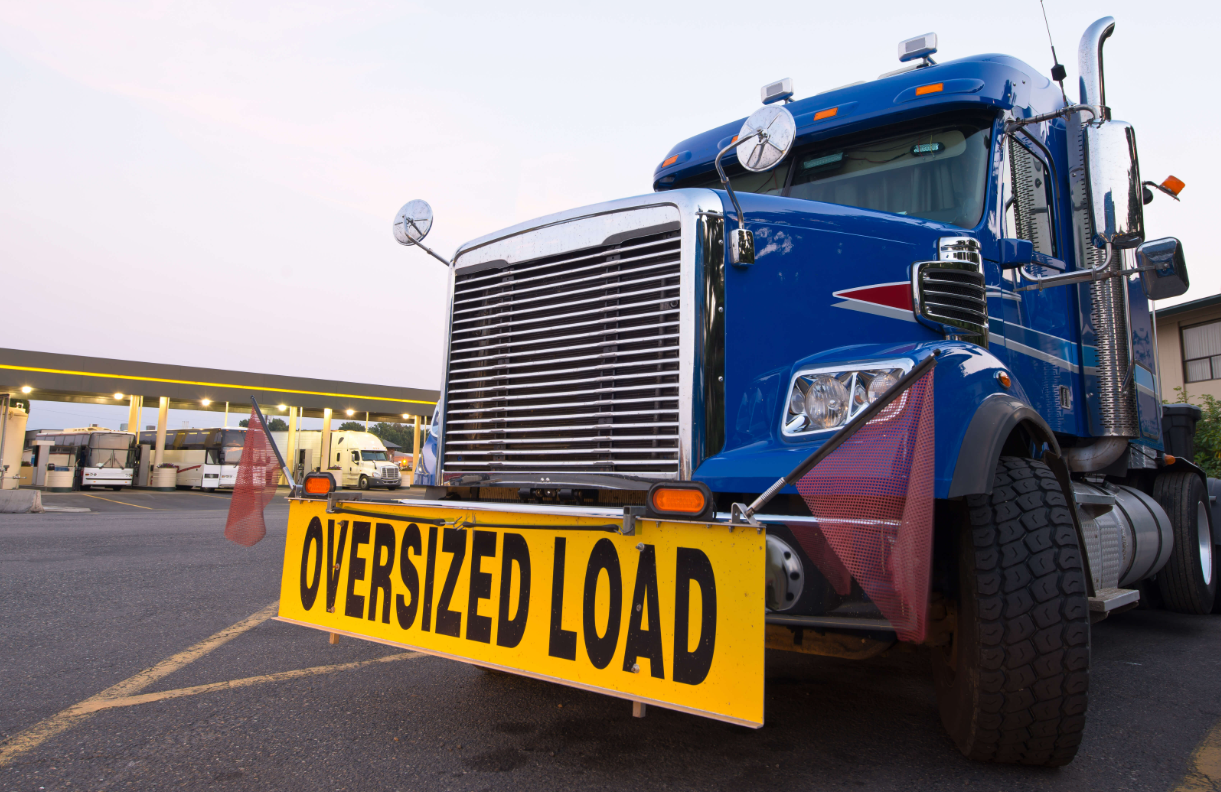
Transporting oversized cargo across California is not simply a matter of loading freight onto a flatbed and hitting the highway. It is a carefully orchestrated process that demands regulatory knowledge, precise route planning, and an understanding of how state agencies, local municipalities, and private carriers must all work in concert. Whether you are moving industrial machinery, construction equipment, wind turbine components, or prefabricated structures, the rules governing oversize transport in California are among the most detailed in the nation. Understanding these requirements before your shipment moves is not optional — it is the difference between a smooth delivery and a costly, compliance-breaking delay.
What Qualifies as an Oversize Load in California?
California law defines an oversize load as any vehicle or combination of vehicles that exceeds standard legal dimensions. The general thresholds are a width of 8.5 feet, a height of 14 feet, and a length of 65 feet for a combination vehicle. Loads that exceed any of these measurements require a special permit before they can legally travel on public roads. Weight is an equally critical factor — gross vehicle weight ratings and axle load limits are strictly enforced, and exceeding them without authorization can result in significant fines, impoundment, and liability exposure for both the carrier and the shipper.
It is worth noting that California’s geography adds another layer of complexity. The state’s diverse terrain — from coastal highways to mountain passes and desert corridors — means that a route that is technically permissible on paper may still present practical challenges. Bridge weight ratings, tunnel clearances, and seasonal road restrictions all factor into whether a proposed route is viable for a given load configuration.
The Permit Process: More Than Just Paperwork
Obtaining an oversize load permit in California involves coordination with the California Department of Transportation, commonly known as Caltrans, as well as potentially dozens of local jurisdictions depending on the route. Each jurisdiction may have its own requirements, fees, and approval timelines. For loads that are particularly wide or heavy, engineering analyses may be required to confirm that specific bridges or road segments can safely accommodate the movement.
Pilot car requirements are another critical component of the permitting process. Depending on the dimensions of the load, one or more escort vehicles may be legally required to precede or follow the transport. These vehicles serve both a safety function and a regulatory one, alerting other drivers and ensuring the load moves within its approved corridor. Failing to deploy required pilot cars is a serious violation that can result in permit revocation and legal consequences.
Time-of-Day and Day-of-Week Restrictions
California imposes strict movement windows on oversize loads. Most permits restrict travel to daylight hours, and many prohibit movement during peak traffic periods, on holidays, or during special events. These restrictions exist to minimize disruption to regular traffic flow and to reduce the risk of accidents in high-congestion environments. Carriers must plan their schedules meticulously to ensure compliance, as moving outside permitted windows — even by a short margin — can void the permit entirely.
Why Logistics Expertise Is Non-Negotiable
The complexity of oversize transport is a reminder of just how multidimensional modern logistics truly is. According to DHL’s comprehensive overview of what logistics entails, effective logistics management encompasses far more than moving goods from point A to point B — it involves the coordination of information, resources, regulations, and timing across an entire supply chain. For oversize loads in California, this definition is especially apt. A single missed permit condition or miscalculated route can cascade into project delays, financial penalties, and reputational damage for everyone involved.
This is precisely why experienced heavy haul specialists are invaluable. They bring not only knowledge of current regulations but also established relationships with permitting agencies, familiarity with route-specific challenges, and the operational infrastructure to manage last-minute changes. When a bridge closure forces a route deviation or a permit condition changes due to weather, an experienced logistics partner can adapt quickly — something that an unprepared carrier simply cannot do.
The Real Cost of Non-Compliance
Non-compliance with California’s oversize load regulations carries consequences that extend well beyond fines. Carriers who operate without valid permits risk having their loads impounded mid-route, which can be catastrophic for time-sensitive deliveries. Infrastructure damage caused by overweight vehicles can result in civil liability claims. In some cases, repeat violations can lead to the suspension of operating authority. For businesses that depend on reliable heavy haul transport, these risks underscore the importance of working with specialists who treat compliance as a core competency rather than an afterthought.
When Events and Infrastructure Collide: Lessons from the Field
The intersection of logistics and public infrastructure is not unique to freight transport. Communities across the country regularly grapple with how large-scale events and operational demands interact with existing infrastructure limitations. A compelling example of this dynamic can be seen in how World Cup logistics forced Ridgewood to cancel its fireworks show entirely — a situation where competing demands on public space and infrastructure left organizers with no viable alternative. The lesson for heavy haul carriers is clear: logistics planning must account for external variables that are often outside your direct control, and contingency planning is not a luxury but a necessity.
Bear Down Logistics: A Trusted Partner for California Oversize Transport
For companies seeking a reliable partner to manage the full scope of oversize transport in California, Bear Down Logistics has established itself as a knowledgeable and dependable resource. Their team specializes in guiding clients through every stage of the permitting and transport process, from initial route surveys to final delivery confirmation. Understanding the nuances of California Oversize Load Permits is central to what they do, and their expertise helps clients avoid the common pitfalls that can derail even well-planned shipments. Bear Down Logistics combines regulatory knowledge with practical field experience to deliver results that meet both compliance standards and project timelines.
Their approach is built on transparency and proactive communication. Rather than waiting for problems to arise, they identify potential obstacles during the planning phase and develop solutions before the load ever leaves the origin point. This forward-thinking methodology is what separates professional heavy haul logistics from reactive, problem-plagued transport operations.
Conclusion: Preparation Is the Foundation of Every Successful Oversize Move
California’s oversize load permit process is demanding by design. The state’s infrastructure, population density, and environmental considerations all contribute to a regulatory framework that prioritizes safety and accountability above convenience. For shippers and carriers alike, the path to a successful oversize transport begins long before the truck leaves the yard. It begins with thorough research, expert guidance, and a commitment to compliance at every stage of the journey. Partnering with specialists who understand the full complexity of California’s permitting landscape is not just a smart business decision — it is the only responsible way to move oversized freight in one of the nation’s most regulated transportation environments.





