
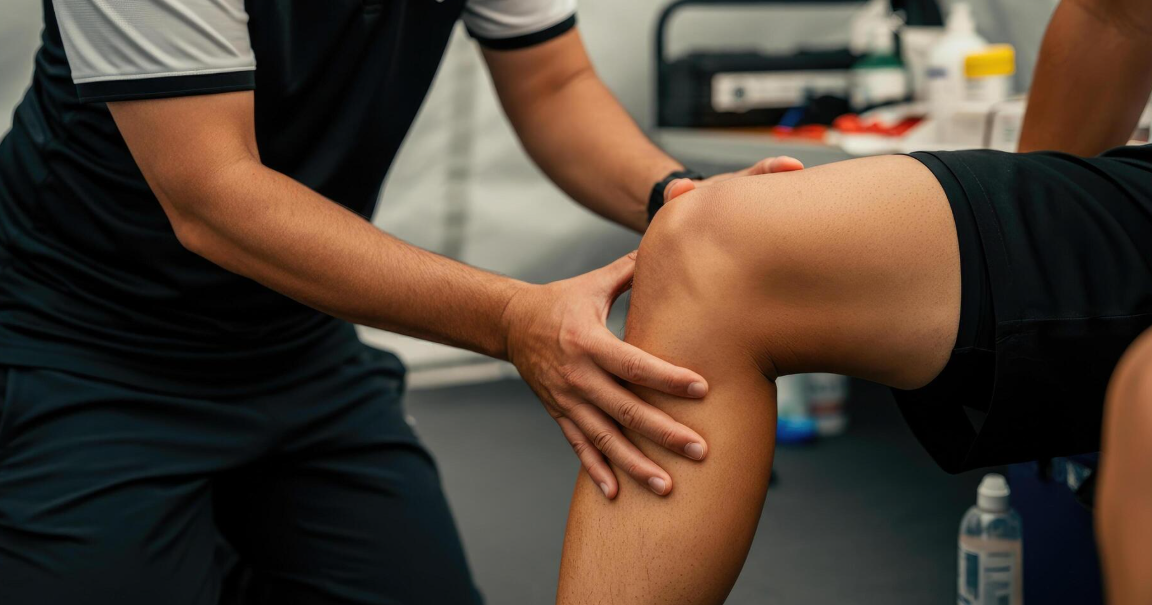
Knee pain can make stairs, work tasks, exercise, and household routines feel less comfortable. Stiffness may also reduce joint motion after an injury, surgery, or a period of low activity. A focused therapy plan can restore confidence and help the knee support daily demands.
Residents who seek orthopedic physical therapy in Scenery Hill PA can receive care based on their symptoms, movement limits, and personal goals. Treatment may address muscle weakness, poor balance, joint restrictions, or pain that affects normal function. This guide explains how knee therapy supports mobility, strength, comfort, and long-term joint health.
What A Knee Assessment May Reveal
A physical therapist starts with a detailed review of symptoms, medical history, activity needs, and personal goals. The assessment may compare both legs and check how the knee responds to controlled movement. This process helps identify the factors that contribute to pain or limited motion.
Key assessment areas may include:
- Joint range and tissue flexibility
- Leg and hip strength
- Balance and body control
- Squat and step mechanics
- Tender areas around the joint
- Tolerance for daily tasks
These details allow the therapist to create a plan that fits the person rather than rely on a standard routine. Progress checks can show which exercises remain useful and which parts require adjustment. Clear goals also give every visit a practical purpose.
How Therapy Can Ease Pain And Stiffness
Gentle joint techniques may help improve motion when the knee feels tight or restricted. Manual care can also address nearby muscles and soft tissues that limit comfortable movement. These methods usually support an active exercise plan rather than serve as the entire treatment.
Exercise helps the knee tolerate force with greater control and less strain. The plan may start with simple muscle activation before it advances to squats, steps, balance tasks, or resistance work. The level should match current ability and rise at a safe pace.
Core Parts Of A Knee Therapy Plan
A complete program may include several forms of care based on the diagnosis and functional goals. Useful components can include:
- Mobility drills for knee bend and extension
- Strength exercises for the thigh, hip, and calf
- Balance tasks for joint control
- Step practice for stairs and curbs
- Manual therapy for restricted tissues
- Home exercises for steady progress
The therapist can also explain how posture, foot position, and hip control affect knee pressure. Small changes in technique may make routine tasks feel smoother and more secure. Education helps patients use better movement habits outside the clinic.
Care That Supports Goals In Scenery Hill
Knee therapy in Scenery Hill may suit active adults, older adults, people with chronic discomfort, and patients after orthopedic surgery. The local service model includes one-on-one sessions with a Doctor of Physical Therapy, hands-on methods, practical exercises, and an active approach to recovery. Available techniques may include manual therapy, dry needling, blood flow restriction, ASTYM, and instrument-assisted soft tissue care when clinically appropriate.
Care plans may address knee arthritis, movement restrictions, muscle imbalance, overuse concerns, and post-surgical needs. The service also places value on real-life function, strength, independence, and confidence rather than symptom relief alone. Residents of Scenery Hill can begin care without a referral, although insurance rules may still affect coverage.
Signs That Professional Care May Help
Persistent discomfort deserves attention when it affects sleep, work, recreation, or basic household tasks. A knee that gives way, lacks full motion, or feels weak on stairs may also benefit from an assessment. Sudden severe pain, major trauma, visible deformity, or an inability to bear weight requires prompt medical review.
A therapist can determine which movements are safe and which factors require extra care. Orthopedic physical therapy in Scenery Hill PA may also support recovery after surgery or after clearance from a medical provider. Timely guidance can reduce uncertainty and establish a clear path toward normal activity.
Knee pain, stiffness, and limited mobility do not have to define daily routines. A clear assessment, targeted exercise, manual care, and practical education can support steady gains in comfort and function. Professional therapy in Scenery Hill can help restore trust in the knee and create a stronger base for future activity.





