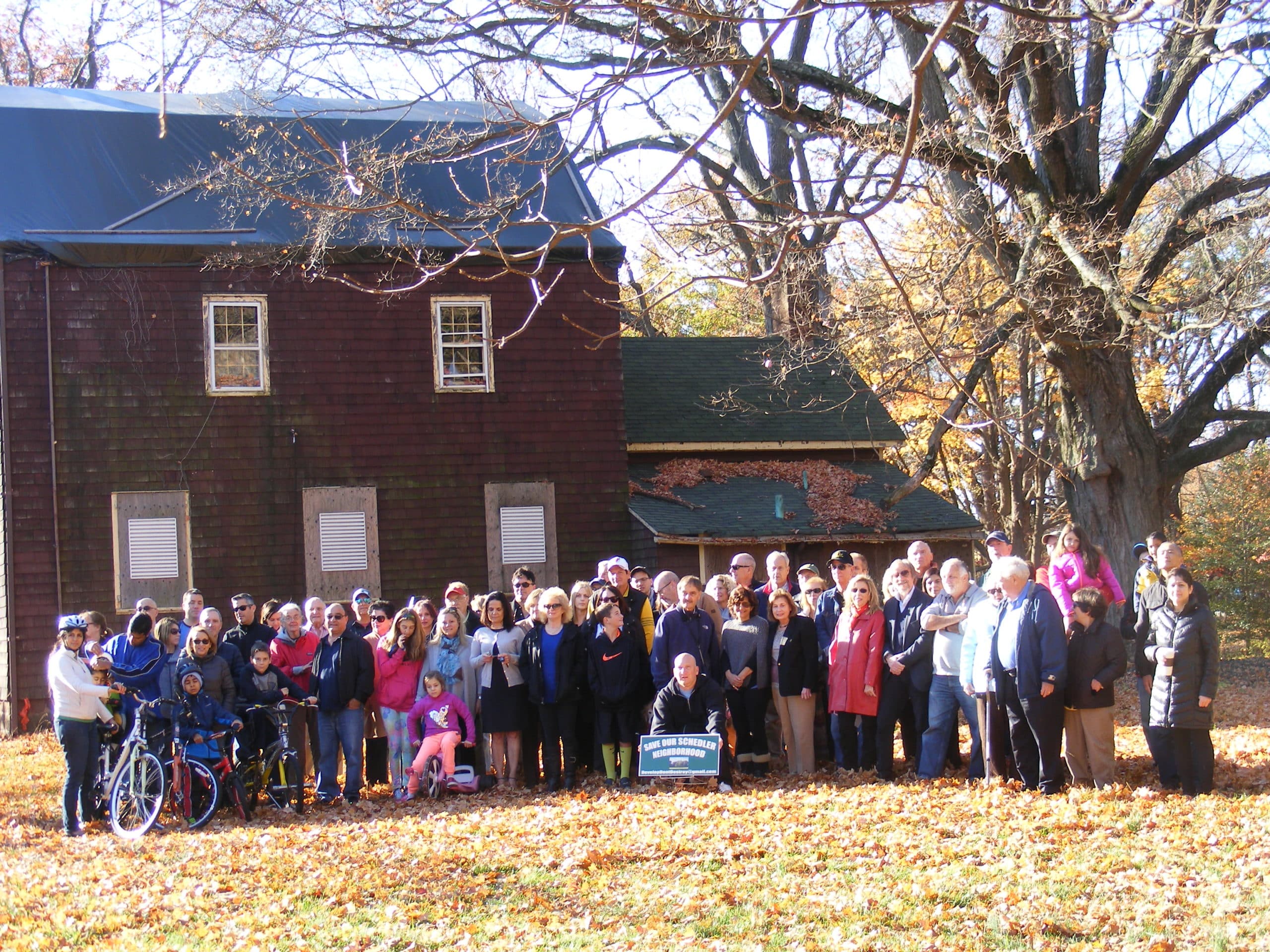
Voight and his stooges are dead wrong. House and property were deemed historical years ago. House is on the NJ Historical Preservation list. All you have to do is read. Everything is recorded and archived; look it up. “Mayor’s Father Act” is slanderous statement and a bunch of BS. The Mayor as well as any other public official have the fiduciary obligation to historically preserve American History…its called ETHICS. Stop bullying Mayor Knudsen. When the previous Council majority and Roberta Sonenfeld wanted to turn it into a sports complex, for the RBSA, it was approximately 10 million dollars (all taxpayer’s dollars). That was absurd! Thank God that FRAUD was stopped.
Ridgewood NJ, Bergen County is sponsoring a free event – “A Historical Portrayal of Jackie Kennedy Onassis” presented by the American Historical Theatre – Tuesday, May 2 at 11 a.m. in Village Hall Court Room. All are welcome!
Do you really think it is worth saving? Very little of it is original. Each add-on is either up a step or down a step. I know Isabella has told me that an historic house does not have to be handicapped accessible. If that is true, maybe it is savable but at what cost? And for what use? To restore it for the idea of restoring it is really of no use to anyone. And no one has ever seen that famous “Shedler bald eagle.” The property does have an occasional turkey buzzard, does it qualify for special treatment? If the town does put a smaller ball field and a park, it will have to put up barriers on the highway. That would be the only way they could safely use the field or park
Ridgewood NJ, Following a vote by Congress approving a declaration of war, the U.S. entered World War I, 100 years ago this Friday, on April 6, 1917. Though the war had started years earlier in Europe, the U.S. had managed to stay neutral up to this point, but events finally forced it to join the Allies, Russia, the U.K. and France, in fighting the Germans.
More than 4 million American men and women went to Europe during this conflict; soldiers, nurses and doctors. On the home front people bought Liberty Bonds and started Victory Gardens. More than 17 million soldiers died in this conflict, more than 117,000 of them Americans – including 14 from Ridgewood.
The Schoolhouse Museum’s new exhibit “From the American Revolution to the 1960’s Revolution”commemorates WWI with actual artifacts, weapons, equipment and uniforms from this period.
To see the WWI display as well as displays highlighting other significant events during this time, from wars, to the roaring twenties to the rocking 60’s; as well as histories of prominent Ridgewood residents, visit the Ridgewood Historical Society’s Schoolhouse Museum, on East Glen Avenue. The museum is open Thursdays and Saturday 1-3pm and Sundays 2-4pm. Please visit www.ridgewoodhistoricalsociety.org. for more information
Ridgewood Nj, according to the website Revolutionary War in New Jersey the state has over 650 Revolutionary War historic sites located throughout all twenty-one New Jersey counties.
Revolutionary War New Jersey is The ultimate field guide to New Jersey’s Revolutionary War historic sites!
Bergen County, New Jersey Revolutionary War Sites • Bergen County, NJ Historic Sites
The website is the brainchild of photographer Al Frazza and , “was created out of my love for history and for New Jersey. I began work on it on September 17, 2009, and completed it on March 1, 2017. During those seven-and-a-half years, I drove thousands of miles throughout New Jersey, locating and photographing Revolutionary War historic sites. In addition to getting to see and experience all of these historic places first-hand, it allowed me to get to know my home state in a way that I had never before imagined.”
In Ridgewood the site lists:
Old Paramus Reformed Church 660 East Glen Ave.
Historic Glen Avenue Marker East Glen Ave. Near North Maple St.
Abraham Godwin Monument E. Ridgewood Ave. & Van Neste Sq. Ridgewood Municipal Park
the site promotes American History and nothing creates an understanding of and excitement for history like standing in the actual locations where historic events occurred.
New Jersey played a central and crucial role in the events of the Revolutionary War. Throughout the state, we are surrounded by links to that history.
George Washington spent more time in New Jersey than anywhere else during the Revolutionary War. Many of the locations where he and the Continental (American) Army marched, encamped, and fought battles are still here to be explored.
Throughout the years of the Revolutionary War (1775-1783), the lives of New Jersey citizens were dramatically affected by the events of the war which went on around them. Some of their houses and buildings are still standing; each of these structures has its own story.
It’s one reason why we can’t rationally discuss things
Devin Foley | December 11, 2015
As we and many others have pointed out, many policy debates these days devolve quickly into emotionalism. Should we be surprised when too many American students lack the tools with which to engage in public discourse?
According to the Nation’s Report Card, produced by the National Assessment of Educational Progress (NAEP) which is considered the gold-standard for evaluating the job schools are doing educating students, only a paltry percentage of high school seniors know their history.
Yes, only a meager 12% of high school seniors are considered “proficient” in U.S. history. If you’d like to examine the test, you can do so here. We’ll probably do some separate posts on it.
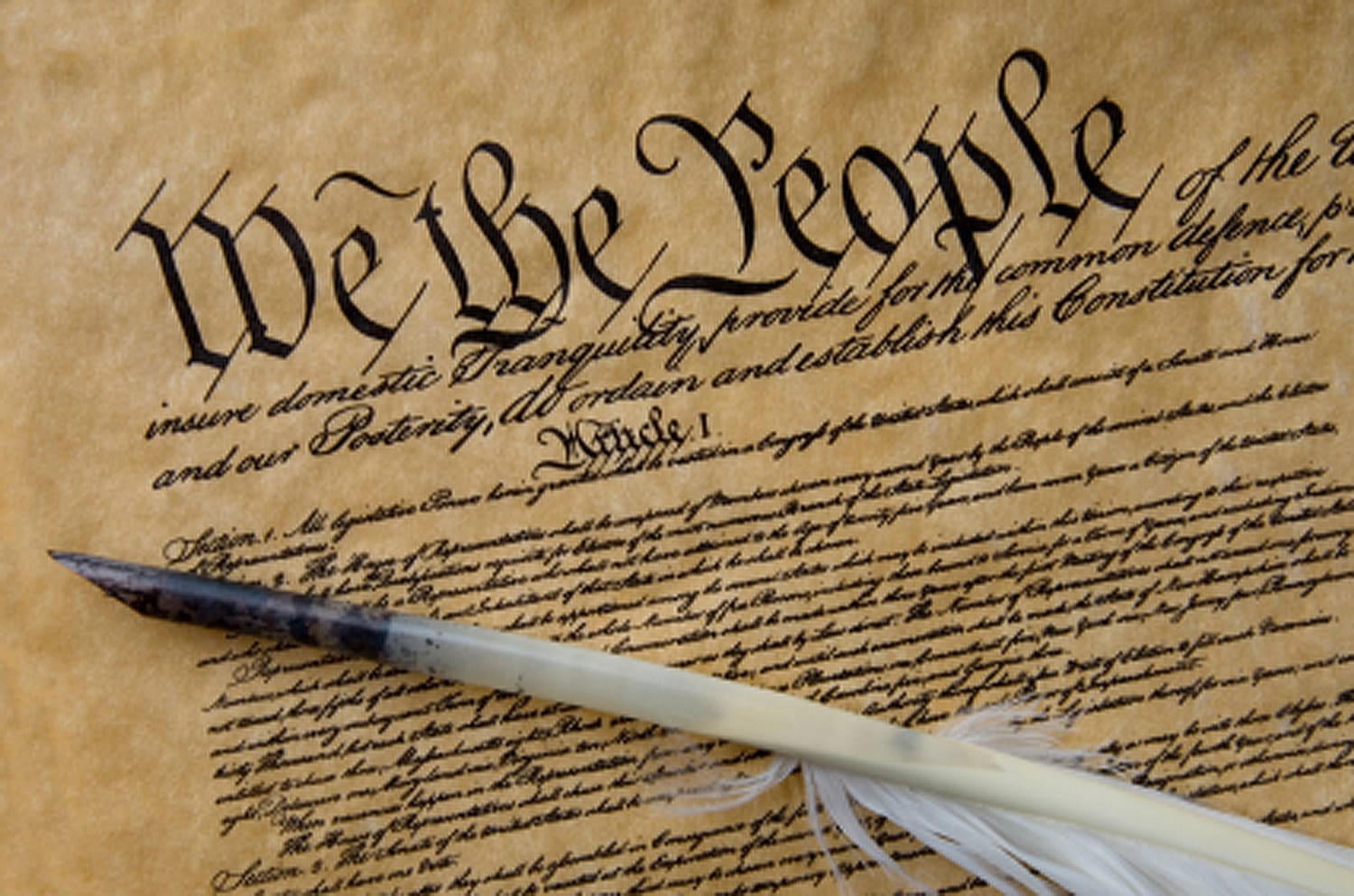
On this day in 1787, the United States Constitution was signed by 39 delegates in Philadelphia as it was sent on its way to the thirteen states for ratification. After rigorous debate in the states, this incredible document was ratified, officially creating a government that was based on the rule of law, not the rule of man. Today we celebrate this important moment in American history as a day when the revolutionary ideas of liberty and freedom, and a government by the people, overcame tyranny and oppression. Today we celebrate the Constitution.
Happy Constitution Day!
Rep. Scott Garrett
7 Things You May Not Know About the Constitutional Convention
SEPTEMBER 17, 2012 By Christopher Klein
For four months during the summer of 1787, the Constitutional Convention met “in order to form a more perfect union.” With the country’s legal framework finally drafted, the framers of the Constitution signed the document on September 17, 1787, before sending it to the states for ratification. Explore seven surprising facts about the delegates to the Constitutional Convention and their work in Philadelphia.
Independence Day, or the Fourth of July, celebrates the adoption by the Continental Congress of the Declaration of Independence on July 4, 1776. On the 236th birthday of the United States, explore nine surprising facts about one of America’s most important founding documents
Ridgewood NJ, the Ridgewood blog has learned that the Village of Ridgewood was put on notice regarding Schedler historic preservation of both parcel and house, wildlife and migratory act despite claims to the contrary .
According to the County the house must be registered historically and the parcel must be inspected for historical elements . The New Jersey DEP identified two species of protected or endangered species with in the property .Including as previously reported on this blog the American Bald Eagle and the Heron. Its seems the Village manager lied on record dismissing the claims .
Council Members:
As stated during public comment, attached are the County public meeting minutes ofMarch 28. The Village was put on notice regarding Schedler historic preservation of both parcel and house, wildlife and migratory act.
As such, the Village must move forward with historic registry of the Schedler house, historic eligibility of parcel and enforce wildlife preservation. Additionally, nothing can be done on this parcel, NO clean up/Phase 1, until after July 31 and only after historic and wildlife preservation/eligibility/registry is complete.
I have all the supporting documentation if you need them as well.
Ridgewood Nj, 220 years ago next week, on April 28, 1796, Amelia Simmons published the first cookbook “American Cookery”, written by an American. Prior to that, the cookbooks used in the Thirteen Colonies were British, and lacked information on how to use foods, spices and other ingredients found in America.
As historian Greg Mangan states, what made Simmons’s work unique “was its recognition of the deficiencies of existing British cookbooks when it came to understanding American culture”, and that it provides valuable insights into the methods and foods that helped colonists forge a uniquely American culinary identity.
A skillful cook, historian Karen Hess points out that Simmons recipes had a variety of herbs, as well as wine, and “extraordinarily fine roasting techniques”. She incorporated common early American foods – cornmeal, pumpkins, and molasses — into her recipes, and was the first cookbook author to mention “pearl ash”, (a wood ash, the forerunner of baking powder) to lighten or leaven dough.
American Cookery also shows the influence of Dutch words in our area at that time – words like slaw, meaning salad; and cookey, from koekje, meaning cookie.
The impact of American Cookery on local Ridgewood residents at that time can be seen in an 1823 book of hand-written recipes by Ridgewood native Jeanette Pells. Two of her recipes (Ginger bread and Sugar cake) call for one or two teaspoons of pearl ash.
To learn more about food preparation and cooking in Ridgewood in the 18th and 19th centuries, come to the Schoolhouse Museum’s new exhibit “Farm and Home”using artifacts from the 18th and 19th centuries.
The Museum is located at 650 E. Glen Ave., Ridgewood, NJ, and visiting hours are Thursdays and Saturdays; 1 to 3 p.m. and Sundays; 2 to 4 p.m. To contact the museum: 201-447 3242 or [email protected]
Exploring Our Agrarian Roots with Artifacts from the 18th and 19th Centuries
“A unique opportunity to see what life in Ridgewood was like hundreds of years ago.”
Ridgewood NJ, On March 20, 2016, between 2PM and 4 PM, the Ridgewood Historical Society’s Schoolhouse Museum will debut its new Exhibit – “Farm and Home”.This exhibit will show how farmers, their wives and children lived off the land, cleared forests, harvested food, prepared meals and developed a prosperous economy in 18th and 19th Century Ridgewood.
Using objects donated to the Museum over many decades, this exhibit will display a wide variety of objects from this period, including Lenape implements, early Dutch artifacts, farm tools, home furnishings, textiles and quilts, early cookbooks, and kitchenware.
Open to the public, the Schoolhouse Museum is located at 650 E. Glen Ave., Ridgewood, NJ. Museum’s hours are Thursdays and Saturdays; 1 to 3 p.m. and Sundays; 2 to 4 p.m.
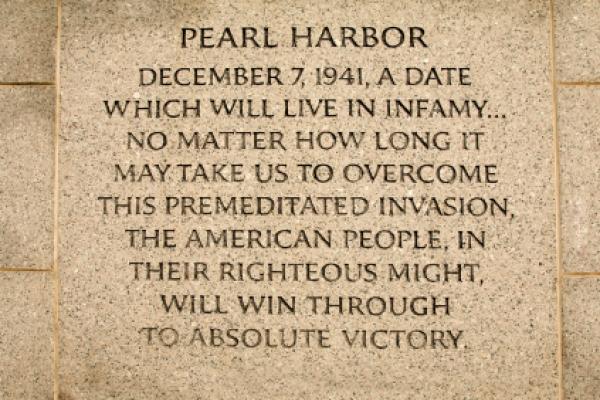
Ridgewood NJ, Today we’re reflecting on that infamous day in 1941 at Pearl Harbor. More than 2,400 American lives lost, 1,000 U.S. military and civilians wounded, 21 ships of the U.S. Pacific Fleet were sunk or damaged, 188 U.S. aircraft destroyed and 159 U.S. aircraft damaged.
Today “A date which will live in infamy.” 74 years later, and we honor their sacrifice.
74 years ago America was attacked at Pearl Harbor and America’s greatest generation responded with a courage and resolve that the world had never seen before. Today we remember the attack on Pearl Harbor. December 7, 1941.
DECEMBER 1, 2015 LAST UPDATED: TUESDAY, DECEMBER 1, 2015, 9:45 AM
BY MARK KRULISH
STAFF WRITER |
THE RIDGEWOOD NEWS
(This article is the third of an ongoing series examining the Schedler property and the issues surrounding it.)
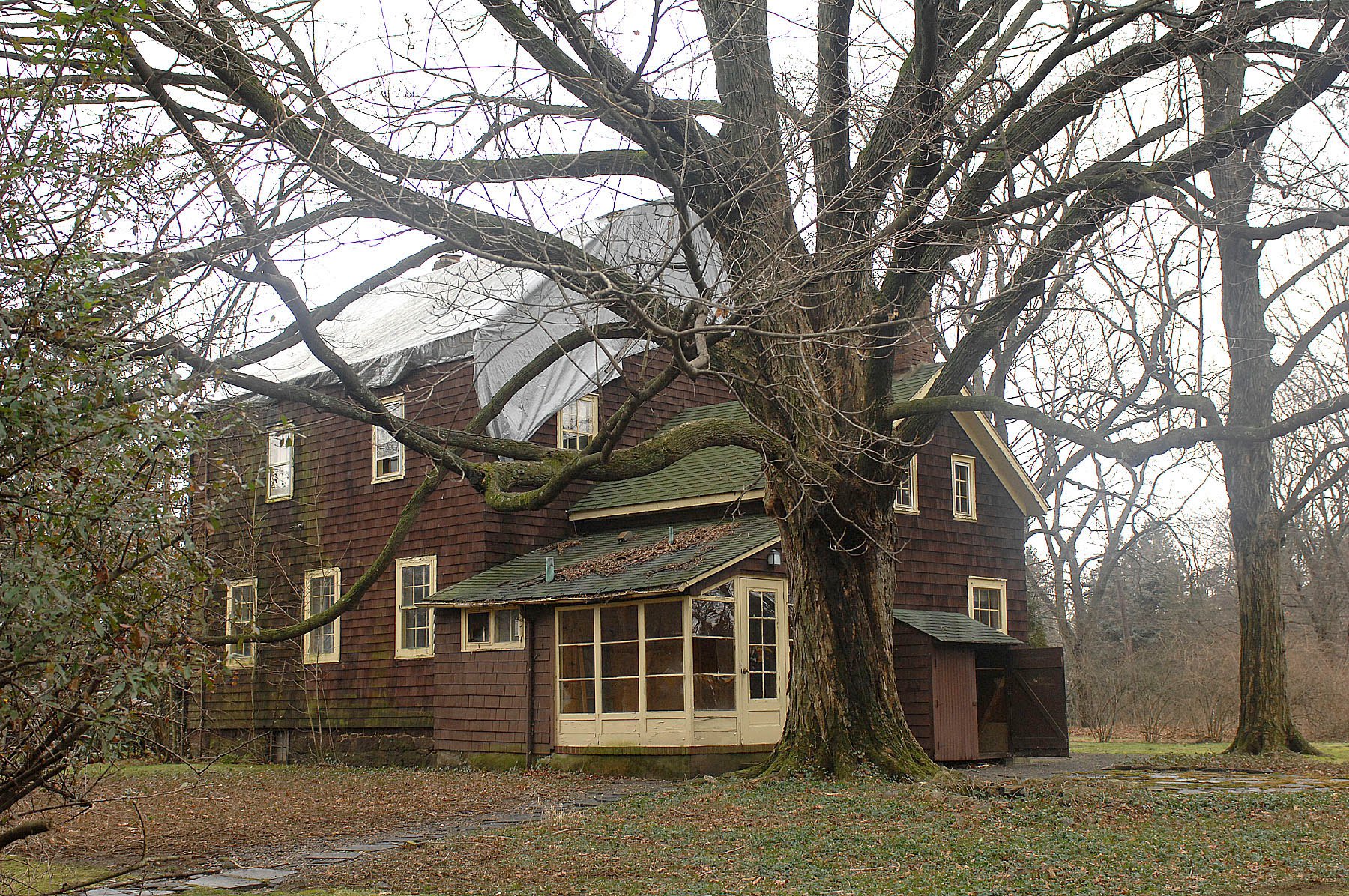
In the woods on the edge of Route 17 in Ridgewood stands a brown farm house. Drivers traveling the speed limit on the highway would be hard-pressed to spot it, and it is best they don’t in the interest of automobile safety. But even those taking a trip on West Saddle River Road might miss it if they are not paying attention.
Yet that little brown house is considered a remarkable piece of history that at least some residents in the Village of Ridgewood believe is worth preserving for future generations.
The Zabriskie-Schedler house has become the subject of much speculation and discussion since the village purchased the 7-acre property in 2009. Current plans propose a 90-foot baseball field with multi-purpose overlay field, which has caused some residents in the neighborhood to worry about their quality of life while others are also concerned about the fate of the historic house.
Somewhat miraculously, the Schedler house has had few owners in its approximately 180 years and it may be one of the reasons the house has stood for so long in the middle of an otherwise developed region of New Jersey.
OCTOBER 2, 2015 LAST UPDATED: FRIDAY, OCTOBER 2, 2015, 12:31 AM
BY AIMEE LA FOUNTAIN
CORRESPONDENT |
THE RIDGEWOOD NEWS
The Ridgewood Historical Society is sponsoring a historic homes walking tour beginning at 2 p.m. on Oct. 4.
The tour explores European architecture in the Prospect Street historical district and is led by society member Elliot Dee, who studied architectural history at Cornell University and Harvard University.
The tour route begins on Prospect Street, moves to Carlisle Terrace, progresses to Ivy Place and goes along Woodside Avenue before returning to Prospect Street.
Dee peppers the tour with more than just facts.
“I try to include a couple stories, quirks that show local color and add fun elements that give things life,” he said. “I’m always very excited to talk architectural details about houses, but I don’t want it to be overly academic.”
Dee, who previously gave walking tours in other residential areas, proposed the idea to Ridgewood Historical Society President Sheila Brogan after he moved to Ridgewood in 2011.
“I thought it’d be fun to do some here,” he said. “It’s an opportunity to do some research and learn more about the houses, which I enjoy, and then to share it.”
The historic homes walking tour is at 2 p.m. on Oct. 4. It starts at Prospect Street and Carlisle Terrace. Tickets are $5 and limited to 35 people. The tour is 90 minutes long and will take place rain or shine. For more information, email Sheila Brogan at [email protected] or call 201-652-7354.