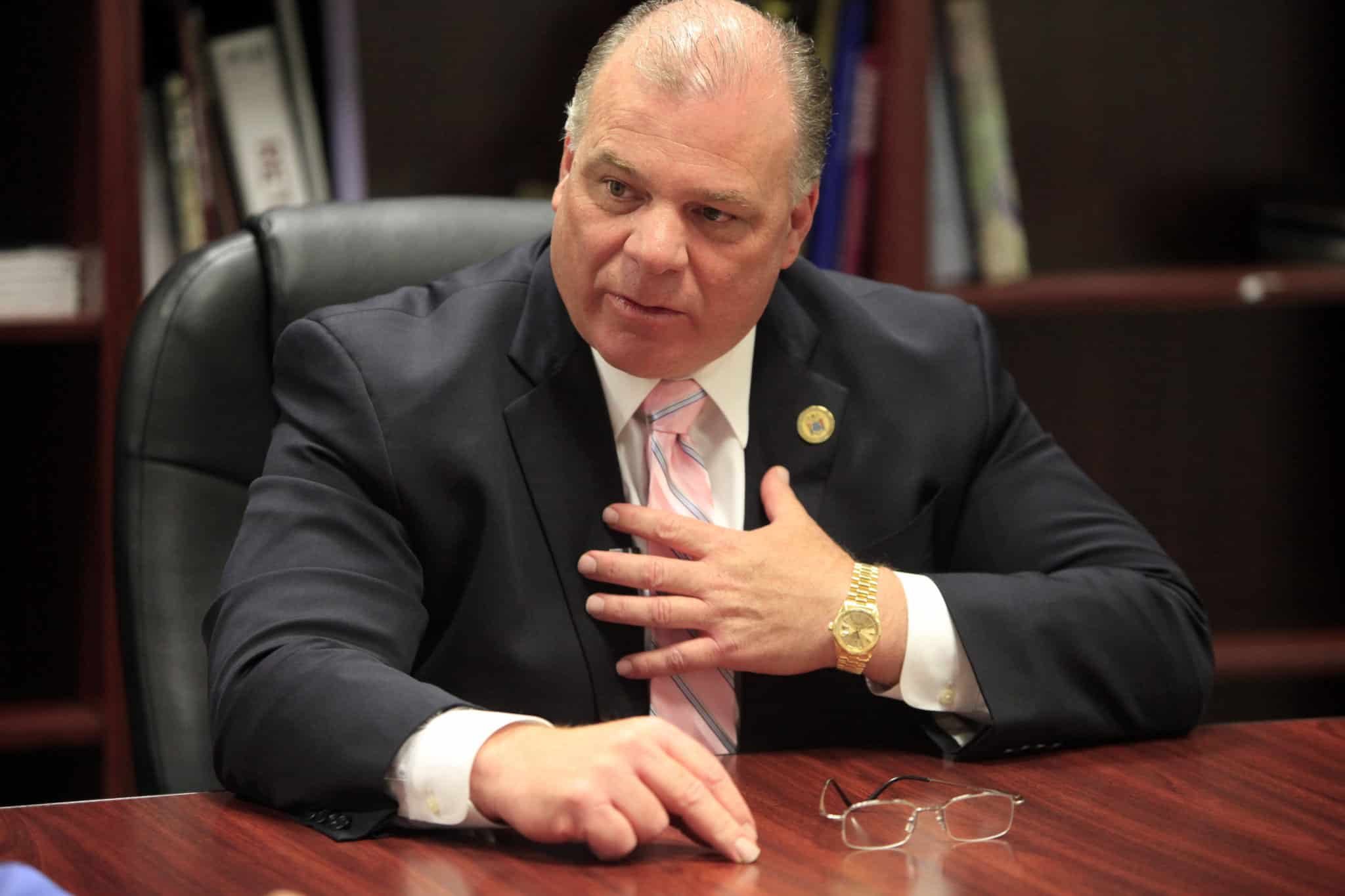
Trenton NJ, Senator Declan O’Scanlon (R-Monmouth) today condemned Governor Murphy’s signature of a bill which would rapidly raise the minimum wage to $15 and have widespread negative impacts for New Jersey.
“This law will have disastrous consequences for our business community and minimum wage workers. It simply goes too far too fast,” O’Scanlon stated. “I serve on the bipartisan manufacturing caucus and we heard from every single manufacturer that it was impossible for them to absorb this increase without losing jobs.”
“A hugely important component of this discussion is the effect on our budget. With the fiscal pronouncements that we have made, including the Senate President himself, how can we commit the State to a dramatic impact like the roughly half a billion dollar price tag of this increase? The is inconsistent with the Path to Progress suggestions for lower cost of government. We are digging ourselves deeper into a hole that we already don’t know how to get out of. How can we possibly look our taxpayers in the eye–already the most beleaguered in the nation–no matter how well-intentioned this might be?”
Ridgewood NJ, A huge part of growing up is doing your own taxes. In fact, some people consider it to be the toughest part of becoming an independent individual. Not only are most of us bad at math, but also, where do we start? How do taxes work? What do you get taxed for? How much should you pay? All of these are questions that often face every single person as they are starting out their own lives. These are also questions that people tend to ask whenever they move into a different state; it can be exceptionally confusing because of the difference between what you were used to in your previous state and your current situation. However, there is no need to stress about it because of two reasons; stress isn’t healthy for you at all, and also because this guide is going to show you how to take care of your taxes if you happen to be living in the wonderful New Jersey.
Newark NJ, well its official Sen. Cory Booker (D-N.J.) announced today that he is running for president in 2020.
The New Jersey Democrat is known primary for his antics during the Supreme Court nomination hearing bizarrely claiming “this is the closest I’ll get to an ‘I am Spartacus’ moment.”
Senator Booker ,often referred to as Senator Twitter and former Newark, N.J., mayor made the announcement on the first day of Black History Month.
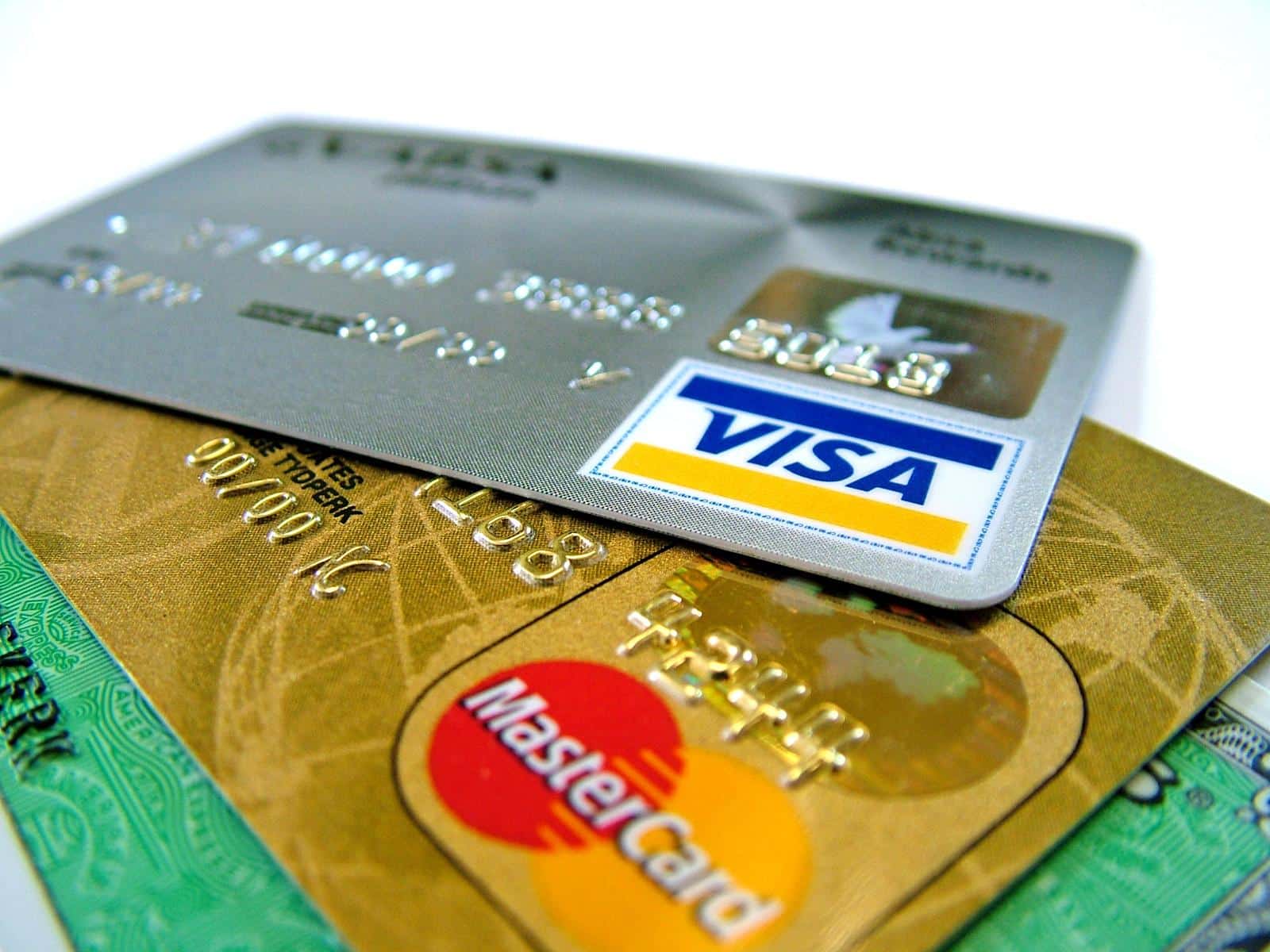
Ridgewood NJ, Americans are more likely to pay with a credit card than with cash than ever before. With a credit card, consumers can buy now and pay later and earn rewards like cash back and travel points for meeting certain spending thresholds. While credit cards have obvious appeal, they can also be dangerous, and easy credit appears to be saddling a growing number of Americans with considerable consumer debt.
According to the Federal Reserve, Americans owe a record $1.04 trillion in credit card debt. That’s up from less than $854 billion five years ago. According to Ted Rossman, an industry analyst at research group creditcards.com, about 40% of Americans have enough income to pay off their balance and do so in full every month. For them, a high credit card balance is not a problem.
Ridgewood NJ, With immigration reform remaining one of the biggest policy issues in 2019 and border security taking center stage in the longest government shutdown in history, the personal-finance website WalletHub today released its report on 2019’s Economic Impact of Immigration by State as well as accompanying videos.
According to the American Immigration Council , New Jersey hosts 500,000 undocumented immigrants comprised 24 percent of the immigrant population and 5.4 percent of the total state population in 2014. 604,615 people in New Jersey, including 204,946 born in the United States, lived with at least one undocumented family member between 2010 and 2014.
During the same period, 1 in 11 children in the state was a U.S. citizen living with at least one undocumented family member (180,580 children in total).
Trenton NJ, while Murphy Administration called on liberal activists, to push back against state Senate President Stephen Sweeney’s big plan to fix New Jersey’s long-term fiscal problems , Senate President Steve Sweeney and Assembly Majority Leader Lou Greenwald tonight warned that New Jersey won’t be able to make critical investments in education, transportation, higher education and social services unless it enacts major structural reforms to address the looming budget crisis fueled by runaway pension and benefit costs.
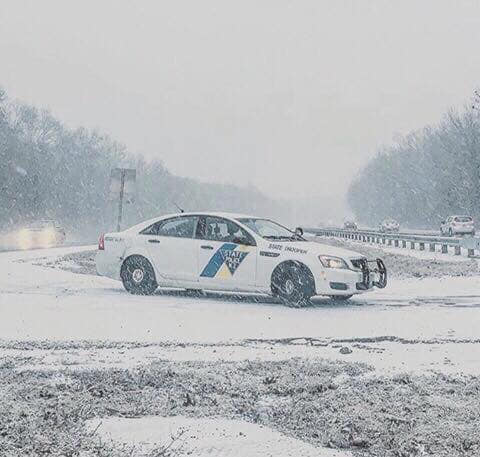
Trenton NJ, Governor Phil Murphy yesterday announced that the State of Emergency that took effect on January 19, 2019, for all 21 counties in New Jersey will be lifted as of 7:00 a.m. on Monday, January 21, 2019.
West Trenton NJ, Colonel Patrick J. Callahan has announced a commercial vehicle travel restriction due to the anticipated severity of the impending winter storm.
Effective tomorrow, Saturday, January 19, at 12:00 p.m., there will be a commercial vehicle travel restriction for the following roadways:
• I-195 (entire length) • I-78 (entire length) • I-80 (entire length) • I-280 (entire length) • I-287 (entire length) • I-295 (including and between exits 60-76) The commercial vehicle travel restriction does NOT apply to the following roadways:
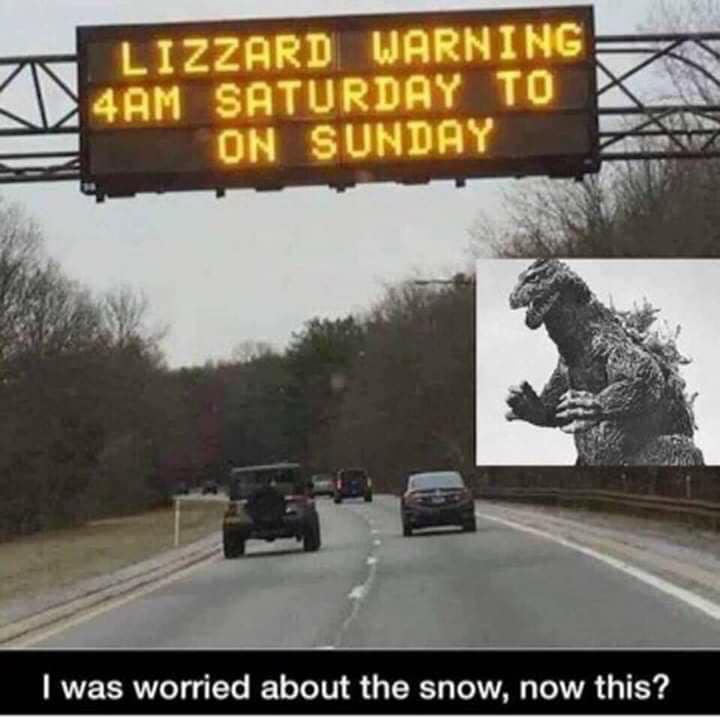
Ridgewood NJ, while the state waits patiently under the cover of darkness for a “major rain/ snow storm” . The governor promptly called a state of emergency at 12pm today and the New Jersey State Police ordered a ban of all commercial vehicles on major New Jersey highways a more disturbing development has taken place . With resources already stretched to the brink there is now a LIZZARD WARNING !
Trenton NJ, According to a NJ.comreport, Governor Murphy spent twice as many days out of the state than his predecessor in his first year in office.
Murphy spent all or part of 100 days out of NJ in 2018, according to the report. Former Governor Christie spent 49 days out of NJ in 2010, the first year of his governorship. He spent 261 days (72%) out of state in 2015, the year of his failed presidential bid.
Murphy’s Press Secretary Dan Bryan told NJ.com that approximately half of the travel was on weekends, and about a third of the weekday travel involved state business, such as the October economic mission trip to Germany and Israel.
Trenton NJ, Indicators of Innovation, a report issued today by the New Jersey Business & Industry Association, shows New Jersey at a challenging crossroads in its efforts to reclaim itself as the “Innovation State.” New Jersey ranked fifth out of the seven states with a cumulative innovation score of 41. New York ranked first in the region with a score of 71, followed by Massachusetts (63), Pennsylvania (49), Maryland (46), New Jersey (41), Delaware (34) and Connecticut (33).In addition to the 12 indicators analyzed in the report, NJBIA also observes additional factors in a New Jersey-Massachusetts comparison that can help jumpstart and sustain an innovation ecosystem.
Among the findings in the Indicators of Innovation report, authored by NJBIA Policy Analyst Nicole Sandelier:
New Jersey’s venture capital investment in 2017 was $781 million, compared to the $8.97 billion received by Massachusetts and $12.27 billion received by New York.
New Jersey increased its venture capital investment at a lower rate than all seven states in the region between 2004 and 2017.
New Jersey companies received less than $52 million in award obligation for federal R&D funding efforts in 2017, compared to nearly $271 million awarded to Massachusetts. The state also received less award funding than Maryland ($124 million), New York ($114 million) and Pennsylvania ($98 million).
In 2018, New Jersey received $157 million in National Science Foundation College/University funding – significantly less than regional competitors New York ($466 million), Massachusetts ($415 million) and Pennsylvania ($253 million).
New Jersey is home to three “Top 100” colleges/universities ranked in 2018 by U.S. News & World Report, compared to 10 each in Massachusetts and New York; and six in Pennsylvania.
New Jersey lost a net total of more than 28,000 first-time college students in the fall of 2016, the largest loss in the nation. By regional comparison, Pennsylvania had a net gain of nearly 17,000 students that year.
In 2017, New Jersey was fifth out of seven states with 15.6 percent of its population possessing a graduate or professional degree. In comparison, Massachusetts’ graduate and professional degree holders represented 19.5 percent of its population.
New Jersey does fare well in the Rate of Entrepreneurs regionally, with 340 adults starting a business for every 100,000 people in the state in 2017. That’s second in the region behind New York, which totaled 360 business starters per 100,000 adults.
New Jersey’s startup density was 76.1 per 1,000 employer firms in 2017, good for third in the region behind New York (83.3 per 1,000 firms) and Delaware (77 per 1,000 firms).
In 2017, New Jersey ranked fourth in the region with more than 8,600 patents issued. Massachusetts (more than 15,000 patents issued) and New York (nearly 14,700 patents issued) held a decided advantage.
From 2015 to 2016, New Jersey experienced a 0.44 percent increase in total businesses – which is sixth in the region. Delaware enjoyed a 2.03 percent increase in total businesses during that span.
New Jersey finished last out of seven regional states in NJBIA’s 2018 Regional Business Climate analysis, which scores metrics such as each state’s minimum wage, top income tax rate, top corporate tax rate, sales tax rate, property tax paid percentage and unemployment tax rate.
Trenton NJ, Furloughed federal employees assigned to work in New Jersey are eligible to apply for unemployment benefits.
Benefits are being paid to eligible federal workers beginning Dec. 23, 2018. Labor Commissioner Robert Asaro-Angelo said eligible employees would be paid for the duration of the shutdown, no matter how far into the shutdown their unemployment claim is filed.
“Thousands of federal workers are waiting for a paycheck due to President Trump’s shutdown,” said Governor Murphy.“In these challenging times, we urge furloughed federal employees in New Jersey to apply for unemployment benefits to supplement any lost wages.”
Commissioner Asaro-Angelo added, “Tomorrow, furloughed workers will miss their first paycheck because of the shutdown. The Labor Department is ready to assist these workers with their unemployment claims and get them paid as quickly as possible.”
Furloughed workers are eligible to apply for unemployment in the state in which they are assigned to work. They will be asked to provide proof of wages. Employees who are furloughed (not working) are generally eligible for benefits, so long as all other state eligibility factors are met.
The maximum weekly unemployment benefit for 2019 is $696. Regular benefits are exhausted after 26 weeks.
Furloughed employees who collect unemployment but are retroactively paid for the furlough by their employer must repay all overpayments to the state from which they collected.
To learn more about unemployment eligibility, click here. To initiate a New Jersey unemployment claim, click here. To learn more about the effects of the shutdown, click here.
Trenton NJ, The New Jersey State Supreme Court today ruled the National Football League did not violate New Jersey’s ticket brokering law when it did not make at least 95 percent of tickets to Super Bowl XLVIII, played at MetLife Stadium in the Meadowlands, available for sale to the general public.
NJBIA filed an amicus brief, supporting the NFL’s position that it did not violate the law that was intended to limit ticket brokers’ ability to hoard tickets. Attorney Jeffrey Jacobson of Kelley Drye & Warren LLP, argued NJBIA’s case.
“The Supreme Court’s unanimous opinion adopted our interpretation of the statute that the NFL gets to decide how to distribute tickets to its own events, and, therefore, was not a ‘person with access’ to tickets prior to their release for public sale,” Jacobson said.
NJBIA was concerned that if New Jersey law requires every event promoter to make 95 percent of tickets to their events available to sell to the general public, as the plaintiff argued, it would be difficult to attract top-tier events to the state. The Army-Navy game, for example, could not reserve more than 5 percent of tickets for the Army and the Navy; and awards shows could not reserve seats for award nominees.
“We’re pleased with this ruling as the case could have had a detrimental impact on New Jersey’s economy and businesses that would benefit from our state attracting marquee events,” said NJBIA President and CEO Michele Siekerka.
The case centered on Josh Finkelman, who bought tickets to the 2014 Super Bowl at MetLife Stadium through the secondary market, allegedly purchasing two tickets with an $800 face value for $2,000 apiece.
He then sued the NFL arguing that because it only sold 1 percent of tickets to the general public through a lottery – which the plaintiff had not entered – it violated New Jersey’s unique law that prevents someone with access to tickets prior to their release for public sale cannot hold back more than 5 percent of them.
The court ruled, however, that the tickets withheld by the NFL were never intended for public sale, and, therefore, did not violate the 5 percent rule. Shortly before the oral arguments were heard, the Legislature repealed the 5 percent holdback limit. Nevertheless, the court decision is an important one because it shields businesses from retroactive liability. Had the court found in favor of the plaintiff, potentially every playoff game or other event held in New Jersey during past six years could have been subject to litigation, Jacobson said.
You know it’s a shame because so many of us love small towns and love New Jersey. But it’s just too expensive to live in the state. What the hell happened so many of us are selling our homes and moving out not because we want to we have to to survive. Especially the retirees they’re not going to give their pension checks for taxes .why would anybody do that even if they have the funds. It just doesn’t make sense.
Ridgewood NJ, With the U.S. government closed for business for the 21st time since 1976, this time with a partial shutdown, the personal-finance website WalletHub today released its report on the States Most & Least Affected by the 2019 Government Shutdown to add some hard data to all the rhetoric.
WalletHub compared the 50 states and the District of Columbia in terms of five key metrics, ranging from each state’s share of federal jobs to federal contract dollars per capita to the share of families receiving food stamps.
Impact of the Government Shutdown on New Jersey (1=Most Affected, 25=Avg.):
45th – Share of Federal Jobs 31st – Federal Contract Dollars Per Capita 39th – Access to National Parks 43rd – % of Families Receiving SNAP (Food Stamps)
To view the full report, please visit: https://wallethub.com/edu/government-shutdown-report/1111/