
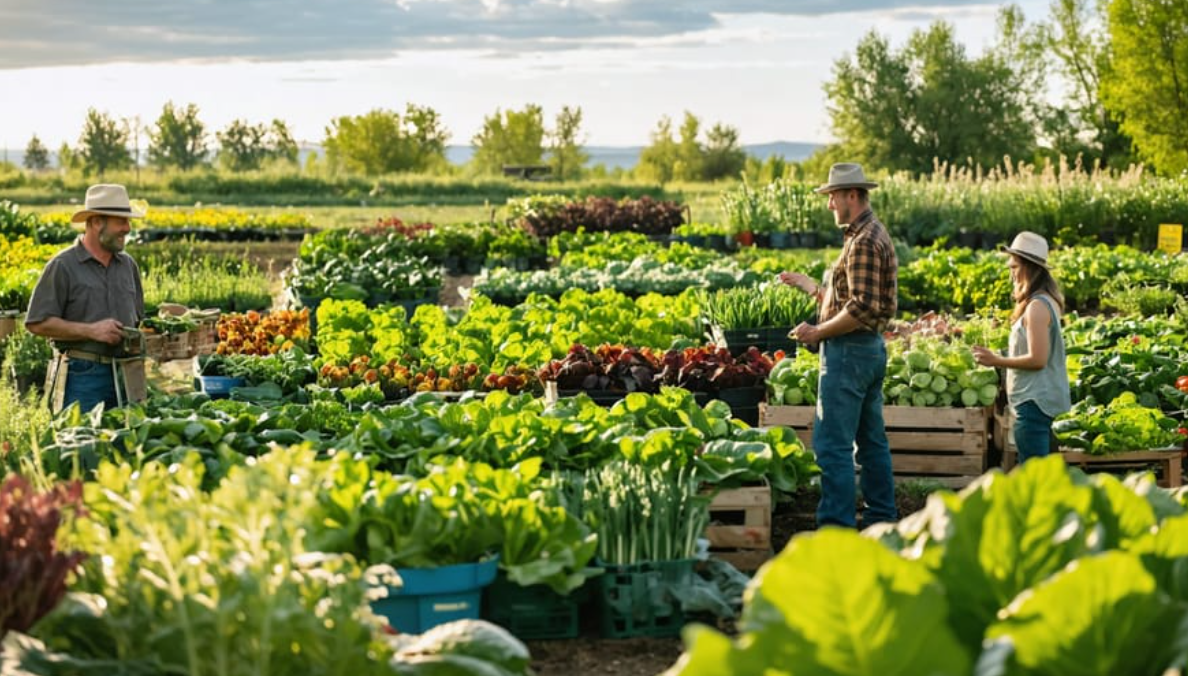
Social media has turned farming into a major aspiration. Cottagecore aesthetics dominate Instagram and TikTok, showing golden-hour harvests, freshly kneaded sourdough and photogenic chickens. A 2020 Gallup poll in the US found the share of people who’d prefer to live in the country jumped from 39% in 2018 to 48%, with the pandemic widely cited as the driver.
The appeal of rural living isn’t just an American story. In England, internal migration data shows more people moving into rural areas than leaving them, and UK retailers have noted growing interest from people taking on small plots of just a few acres.
However, these curated feeds skip what real farmers face daily. They don’t show the predawn livestock checks in driving rain, fencing repairs in frozen mud, or lambing shifts that run for 18 hours. There’s also the financial reality. Income from small-scale farming is modest and unpredictable, and many hobby holdings make very little once costs are taken out.




