
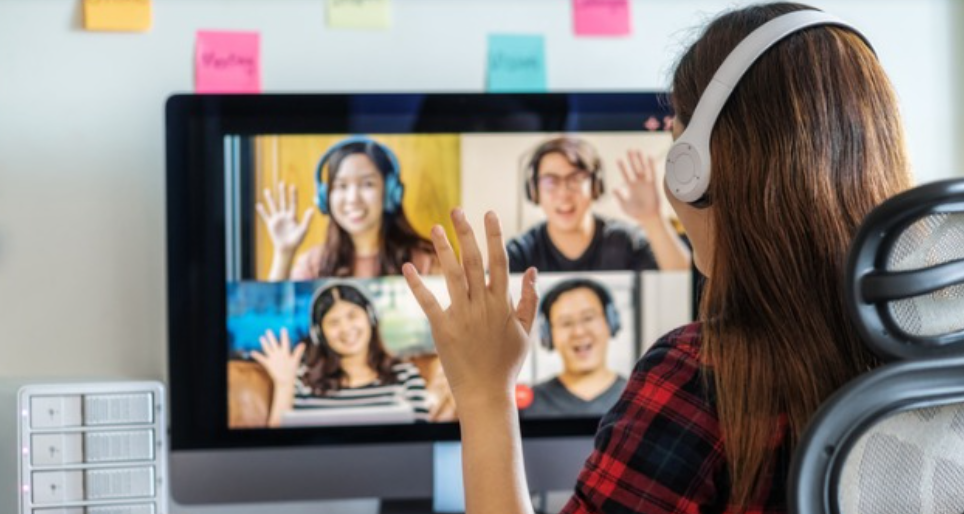
Online learning gets talked about like it is mainly a technology issue. People focus on the platform, the webcam, the password, the discussion board, or whether your internet freezes at the worst possible moment. Those things matter, but they are not usually the real reason students struggle. Most of the time, online learning is not won or lost by the screen. It is won or lost by the systems you build around that screen.
That is why the smartest way to approach online classes is to think like a manager of your own environment. You are not just showing up to learn. You are setting the conditions that make learning possible. That can be especially important if you are balancing work, family, and long term goals through options like healthcare administration associate programs at an online school such as Campus.edu. In that kind of setup, success depends less on waiting to feel motivated and more on designing a routine that helps you keep going.
Once you understand that, online learning starts to feel less mysterious. You do not need perfect focus every day or a picture perfect desk setup. You need structure, attention, and a few habits that make it easier to return to your coursework consistently. The students who do well online are often not the most naturally organized people in the room. They are the ones who make fewer decisions in the moment because they have already built a workable pattern.
Build a space that tells your brain it is time to work
One of the biggest mistakes in online learning is trying to do everything from everywhere. You answer a quiz from the couch, watch a lecture in bed, skim a reading at the kitchen table, and tell yourself it all counts the same. Technically, maybe it does. Mentally, it usually does not.
Your brain benefits from context. If the same place is used for relaxing, scrolling, eating, and studying, it is harder to shift into focus. That is why having a dedicated study area matters, even if it is small. It does not need to look fancy. It just needs to be consistent, reasonably quiet, and set up so that you can do your work without constantly adjusting your surroundings.
A reliable space also reduces friction. If your charger, notebook, planner, and headphones are always in the same place, you waste less energy getting started. And getting started is often the hardest part.
Treat your schedule like a class, not a suggestion
A lot of online students run into trouble because they confuse flexibility with endless availability. Just because a course lets you log in anytime does not mean anytime is a good plan. When study time has no clear place in your day, it tends to get pushed aside by everything else.
This is why a routine matters so much. Give your coursework a regular time slot and protect it like an appointment. The Institute of Education Sciences highlights time management, study skills, and note taking as key parts of self regulated learning strategies supported by technology. That makes sense because online learning asks you to manage yourself more directly than many in person settings do.
Try building your week around non negotiable study blocks. They do not have to be long. They do have to be real. When your brain knows that classwork happens at a certain hour on certain days, you reduce procrastination because you are no longer bargaining with yourself every afternoon.
Show up actively, not passively
Watching a lecture is not the same thing as learning from it. Reading a chapter is not the same thing as understanding it. One of the easiest ways to fall behind online is to confuse exposure with engagement.
You learn more when you interact with the material. Take notes by hand or in a clean digital document. Pause videos and summarize what you just heard in your own words. Write down questions as they come up. Use discussion boards like actual conversations instead of minimal requirement boxes. When you finish a reading, try explaining the main idea without looking at the page. That is when you find out whether you really understand it.
Active engagement also helps fight the strange passivity that screens can create. It is easy to sit in front of a laptop and feel like you are doing school just because the course is open in a tab. Real progress usually requires more than that.
Set smaller goals so you do not depend on motivation
A lot of students wait for a productive mood that never arrives. They think they need to feel focused before they begin. In online learning, that approach can be expensive.
It helps to shrink the task. Instead of telling yourself to spend all evening studying, decide to complete one module, take notes on one lecture, draft one response, or review one chapter section. Specific goals make action easier because they reduce mental resistance. You are not facing a giant cloud of schoolwork. You are facing one clear assignment.
This also makes progress visible. Online courses can feel endless when everything lives in one portal. Smaller targets help you see movement, which keeps you from feeling stuck.
Guard your attention like it is part of the assignment
Distraction is one of the hidden costs of online learning. In a classroom, there is at least some physical structure pushing you toward attention. At home, every device, app, and household interruption is competing with your coursework.
The American Psychological Association has written about how technological distractions interfere with attention and note taking. That matters online because the source of learning and the source of distraction often live on the same screen.
A few simple choices can help. Silence notifications. Close unrelated tabs. Put your phone in another room or at least out of reach. Use full screen mode during lectures. If noise is a problem, use headphones or quiet background sound that does not pull your focus away. None of this is dramatic, but it creates a better chance for your brain to stay with the task.
Participation keeps you connected
One of the hardest parts of online learning is that it can feel oddly invisible. You may be enrolled in a class with dozens of other people and still feel like you are doing it alone. That feeling can make it easier to disengage.
Participation helps counter that. Reply thoughtfully in discussions. Ask questions when instructions are unclear. Email your instructor before confusion turns into avoidance. Join virtual office hours when you need help. The more connected you feel to the course, the more accountable you are likely to be.
This also matters because online learning rewards students who communicate early. In many cases, instructors can help with misunderstandings, deadlines, or resources, but only if they know what is going on.
Do not ignore the basics that keep your brain working
Students often look for advanced study hacks while skipping the simple habits that support concentration. Sleep, breaks, hydration, and movement still matter, even when your classroom is a laptop.
The Centers for Disease Control and Prevention notes that adequate sleep helps students stay focused and improve concentration and academic performance. That may sound obvious, but it is easy to ignore when deadlines pile up. Online students often assume they can make up for exhaustion by squeezing in more hours. Usually, that just makes work take longer.
Short breaks can help too. Standing up, walking around, stretching, or stepping away from the screen for a few minutes can reset your attention better than trying to grind through a foggy hour.
Think like a steady learner, not a perfect one
Online learning works best when you stop treating every day like a test of motivation. Some days will feel productive. Some will not. The goal is not to be impressive every day. The goal is to keep showing up often enough that the course keeps moving forward.
That is why the best tips for learning online are really about consistency. Create a space that supports focus. Build a routine that reduces excuses. Engage with your material instead of just opening it. Protect your attention. Ask for help. Take care of the basic habits that keep your mind clear.
When you do those things, online learning becomes much more manageable. It stops feeling like something happening to you through a screen and starts feeling like something you know how to handle. And that shift, more than any app or platform, is what makes long term success possible.





