
vehicle safely to the new driveway. If you are navigating a move within the heavily congested, fast-paced corridors of the Northeast, that stress can easily double. Between the relentless traffic jams, steep bridge tolls, and notoriously narrow city streets, driving your own car during a major relocation is often the last thing you want to add to your schedule.
Fortunately, the auto transport industry has evolved significantly to handle these exact logistical hurdles. Heading into 2026, finding a professional to manage your vehicle shipping has never been more straightforward, provided you understand exactly how the regional freight market operates. Whether you are a first-time shipper relocating for a new job or simply sending a car to a family member, mastering the mechanics of interstate shipping will save you time, money, and unnecessary headaches.
What Is Tri-State Car Shipping?
When logistics professionals talk about the “tri-state area,” they are usually referring to one of two massive, highly interconnected regions in the Northeast. The most common definition encompasses New York, New Jersey, and Connecticut (centered around the New York City metropolitan hub). However, the term is equally applied to the Pennsylvania, New Jersey, and Delaware corridor (revolving around the Greater Philadelphia area).
Shipping a car within these specific zones is a unique sub-category of the freight industry. Unlike moving a vehicle across the open highways of the Midwest, transporting a car here means navigating some of the densest and most heavily regulated infrastructure in the United States.
People utilize tri-state car shipping services for a wide variety of reasons. Corporate relocations are a primary driver; professionals frequently move from a cramped Manhattan apartment to the spacious suburbs of New Jersey or Connecticut and need their daily driver safely delivered. College season brings another massive wave of vehicle shipping, with parents sending cars to campuses like Rutgers, Penn State, or NYU. Additionally, the rise of online car buying means buyers routinely purchase vehicles from out-of-state dealerships and rely on commercial auto transport to bring the car home without putting dead miles on a brand-new engine.
How Much Does It Cost to Ship a Car in the Tri-State Area?
Pricing a regional transport is often counterintuitive for first-time shippers. Because the physical distance between these states is relatively short – sometimes less than 100 miles – many assume the cost will be incredibly low. However, in the heavy freight industry, time and accessibility dictate the final bill just as much as mileage.
A commercial car hauler burning expensive diesel fuel while idling in two hours of gridlock on the Cross Bronx Expressway or paying massive commercial tolls to cross the George Washington Bridge has to factor those extreme operational costs into the baseline rate. Consequently, the per-mile cost for a regional tri-state move is almost always higher than a long-haul cross-country trip.
Several key variables influence your final car transport quote. The size and weight of your vehicle play a massive role; a heavy-duty pickup truck or a large SUV takes up more space on the trailer and pushes the rig closer to its legal weight limits, resulting in a higher fee than a standard compact sedan. Seasonality also impacts availability. The late fall and early winter months see a massive spike in demand as “snowbirds” begin moving vehicles south, which tightens carrier availability across the entire eastern seaboard and drives prices up.
Because the freight market is highly dynamic and sensitive to regional disruptions, relying on outdated price charts is a mistake. To get an accurate quote based on your route, use a car shipping cost calculator. This allows you to pull real-time data from national dispatch boards, giving you a mathematically sound baseline of what independent drivers are actively charging for your specific move today.
Open vs Enclosed Transport: Which One Do You Need?
Before booking your shipment, you must choose the physical method of transportation. The industry offers two primary options, and selecting the right one depends entirely on the type of vehicle you own and your overall budget.
Open Carrier Transport
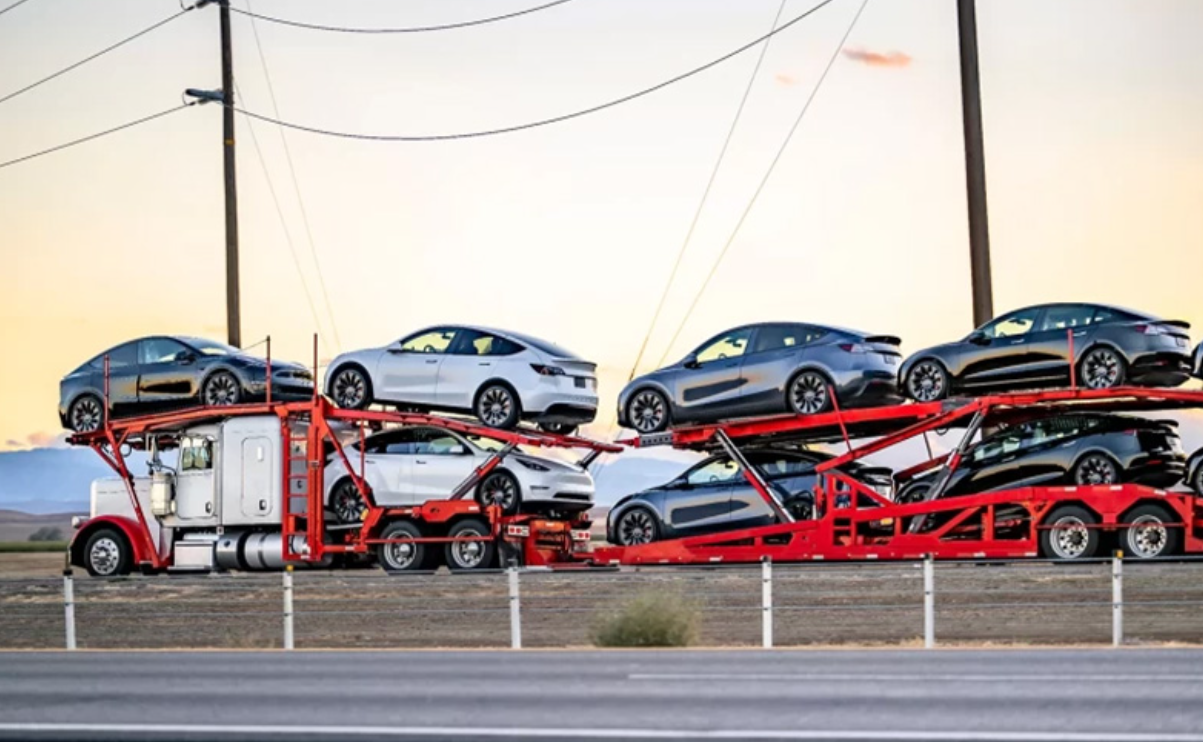
This is the undisputed workhorse of the vehicle shipping industry. Your car is loaded onto a multi-level steel trailer alongside up to nine other vehicles. It is highly efficient, widely available, and represents the most cost-effective way to move a car. The trade-off is that your vehicle remains completely exposed to the elements. If you are shipping during a Northeast winter, your car will likely encounter road salt, snow, and highway grime along the journey. However, for standard daily drivers, family SUVs, and leased vehicles, an open carrier is perfectly safe and serves as the smartest financial choice.
Enclosed Carrier Transport
If you need absolute protection, enclosed shipping is the premium alternative. Your vehicle travels inside a hard-sided, fully sealed trailer that blocks out weather, rocks, and road debris. These trailers often feature hydraulic lift gates, which are essential for loading cars with extremely low ground clearance without scraping the undercarriage. Because enclosed trailers carry fewer vehicles and require specialized equipment, this method typically costs 30% to 50% more than open transport. You should reserve this service for high-value exotic sports cars, vintage classics, or customized restoration projects where even a minor paint chip is unacceptable.
Tips for a Smooth Tri-State Car Shipping Experience
Executing a flawless vehicle transit requires a bit of proactive preparation on your end. The more thoroughly you prepare the car and coordinate with the dispatcher, the smoother the delivery day will be. Follow these highly practical steps before handing over your keys:
- Remove All Electronic Toll Transponders
This is the single most critical tip for the tri-state area. The region is blanketed with E-ZPass gantries. If you leave your transponder mounted to the windshield or sitting in the glovebox, the overhead highway sensors will read it while your car sits on the back of the transport truck. You will be automatically billed for every single commercial bridge toll the truck passes through. Remove the physical tag entirely before the driver arrives.
- Plan for an Alternate Meeting Location
True door-to-door delivery is the industry standard, but the physical reality of the Northeast often makes it impossible. A 75-foot semi-truck cannot legally or safely navigate a narrow, one-way street in Brooklyn or pull into a tight cul-de-sac in Connecticut. Be prepared to meet the driver in a spacious, nearby location, such as a big-box retail parking lot or a wide commercial street just off the interstate.
- Empty the Interior
Federal Department of Transportation rules strictly prohibit commercial auto haulers from moving household freight. You cannot pack the backseat of your car with heavy moving boxes, furniture, or luggage. Most carriers allow up to 100 pounds of soft items locked securely in the trunk, but keeping the cabin entirely empty ensures you avoid unexpected overweight fines at pickup.
- Document the Vehicle’s Condition
At pickup, you and the driver will inspect the car and sign a federal document called the Bill of Lading. Do not rush this process. Ensure the car is washed beforehand so existing scratches and dents are visible, and make sure every flaw is noted on the paperwork. This document is your only legal leverage if you need to file an insurance claim for transit damage upon delivery.
- Book Your Shipment Early
The regional freight network moves fast, but securing a reliable driver still takes time. Avoid waiting until the week of your move to start requesting quotes. Booking your shipment at least two to three weeks in advance gives dispatchers enough time to bundle your vehicle into an efficient, cost-effective route.
How to Choose a Reliable Carrier
The auto transport industry is crowded, and not every company operating online maintains the same standards of professionalism. You are handing over the keys to a highly valuable asset, so due diligence is mandatory.
Start by verifying federal credentials. Any legitimate company managing interstate shipping must be licensed by the Federal Motor Carrier Safety Administration (FMCSA). Ask for their active Motor Carrier (MC) number and USDOT number, and verify their status on the official government portal. If a company cannot instantly provide these numbers, walk away immediately.
Next, demand transparency regarding insurance. Ensure the physical carrier operating the truck holds adequate cargo insurance to cover the full replacement value of your vehicle in the rare event of a total loss.
Finally, read beyond the polished testimonials on their website. Look at independent consumer watchdogs and focus on how the company handles communication during delays. Working with reliable car shipping services ensures your vehicle is protected throughout the entire journey, providing peace of mind from the initial booking to the final drop-off. A trustworthy provider will gladly explain their pricing structure, outline their insurance policies, and keep you updated while the truck is on the road.
Final Thoughts
Relocating within the tri-state area comes with its own unique set of chaotic logistical challenges, but moving your vehicle shouldn’t be one of them. By understanding the regional pricing factors, choosing the right type of transport for your specific car, and rigorously vetting your logistics partner, you take total control of the process. Prepare your vehicle correctly, maintain realistic expectations about transit times in heavy traffic, and trust the professionals to handle the heavy lifting while you focus on settling into your new home.





