
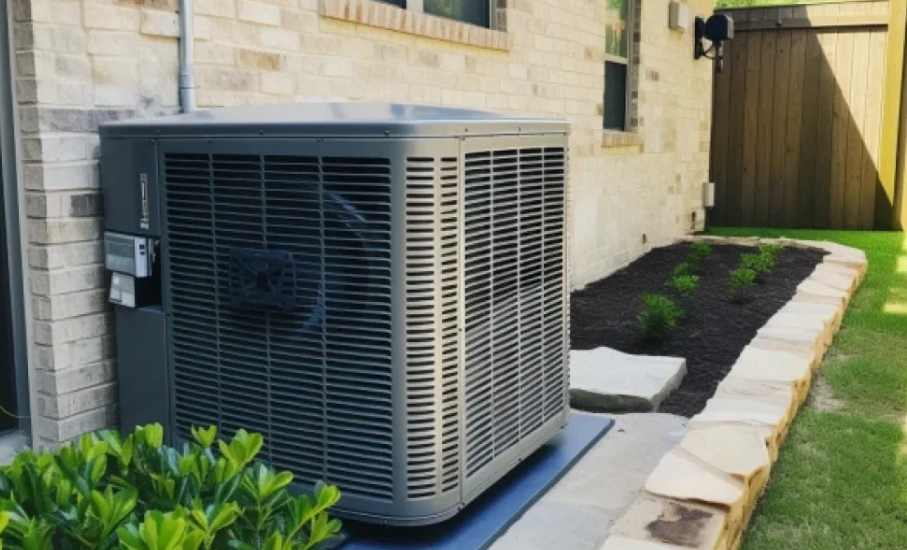
Replacing an air conditioner is an important investment that affects comfort, energy use, and household expenses for many years. While efficiency ratings receive much of the attention, they represent only one part of the decision. Comparing equipment, installation factors, and long-term ownership costs helps homeowners choose a system that matches their home’s specific needs.
Pairing a new system with preventative HVAC maintenance service plans also helps protect performance after installation by supporting routine care throughout the system’s lifespan. This article explains what homeowners should compare before selecting an energy-efficient air conditioner and how informed decisions contribute to dependable long-term comfort.
Review Your Home’s Cooling Needs Before Comparing Systems
Selecting an energy-efficient air conditioner starts with understanding how your home uses cooling throughout the year. Comparing systems without evaluating your home’s specific requirements can lead to higher operating costs, uneven temperatures, and reduced long-term performance.
Factors to Compare Before Choosing a New AC
- Home size matters because an oversized or undersized system may reduce overall cooling efficiency.
- Uneven room temperatures may indicate airflow or ductwork issues requiring attention before replacement.
- Sunlight exposure increases cooling demand in rooms with large or west-facing windows.
- Insulation quality affects how well-cooled air remains inside the home during hot weather.
- Household occupancy influences cooling requirements based on the number of people using the space.
- Current energy bills can reveal whether the existing system is operating less efficiently than expected.
- Humidity levels indoors help determine if additional moisture control features would improve comfort.
- Future home changes, such as room additions or renovations, may increase long-term cooling needs.
Compare HVAC Professionals Before Making a Decision
The quality of an installation influences how efficiently a new air conditioner performs. Comparing HVAC professionals helps homeowners identify providers who evaluate the entire cooling system rather than recommending equipment based only on square footage.
Compare Experience and System Evaluation
Look for professionals who evaluate:
- Home size and cooling requirements.
- Existing ductwork condition.
- Airflow throughout the home.
- Insulation and ventilation.
- Current equipment performance.
- Proper system sizing.
A thorough evaluation helps ensure the recommended system is suitable for the home’s actual cooling demands.
Compare Installation Quality and Long-Term Support
Professional installation should include more than placing new equipment. Homeowners should compare:
- Clear written estimates.
- Manufacturer warranty information.
- Installation procedures.
- System performance testing.
- Post-installation support.
- Availability of future service.
Comparing these factors helps homeowners understand the long-term value offered beyond the initial installation.
Questions Worth Asking Before Making Your Final Choice
Asking detailed questions helps homeowners better understand the recommendations they receive and compare providers more confidently.
Consider asking:
- Why is this system recommended for my home?
- How was the equipment size determined?
- What efficiency rating best matches my cooling needs?
- What warranty protection is included?
- What maintenance will the system require?
- Are there features that improve indoor comfort?
- How long should the installation take?
- What can help maximize long-term system performance?
These questions encourage informed discussions and help homeowners make decisions based on long-term value instead of purchase price alone.
Why Ongoing Care Helps Protect Long-Term Efficiency
Even the most energy-efficient air conditioner performs best when it receives consistent professional attention after installation. Regular inspections help identify developing wear, maintain proper airflow, and keep system components operating as intended throughout changing seasons.
Routine HVAC maintenance supports reliable performance by reducing unnecessary strain on the system while helping small concerns receive attention before they become larger repairs. Consistent service also contributes to better indoor comfort, improved energy efficiency, and a longer equipment lifespan.
Choosing an energy-efficient air conditioner involves comparing far more than efficiency ratings alone. Home requirements, professional evaluations, installation quality, and future operating costs all contribute to long-term performance and household comfort. Preventative HVAC maintenance service plans further support that investment by helping new systems operate efficiently through regular inspections and ongoing care. Careful planning before installation allows homeowners to enjoy dependable cooling, improved efficiency, and greater confidence in their long-term HVAC investment.





