
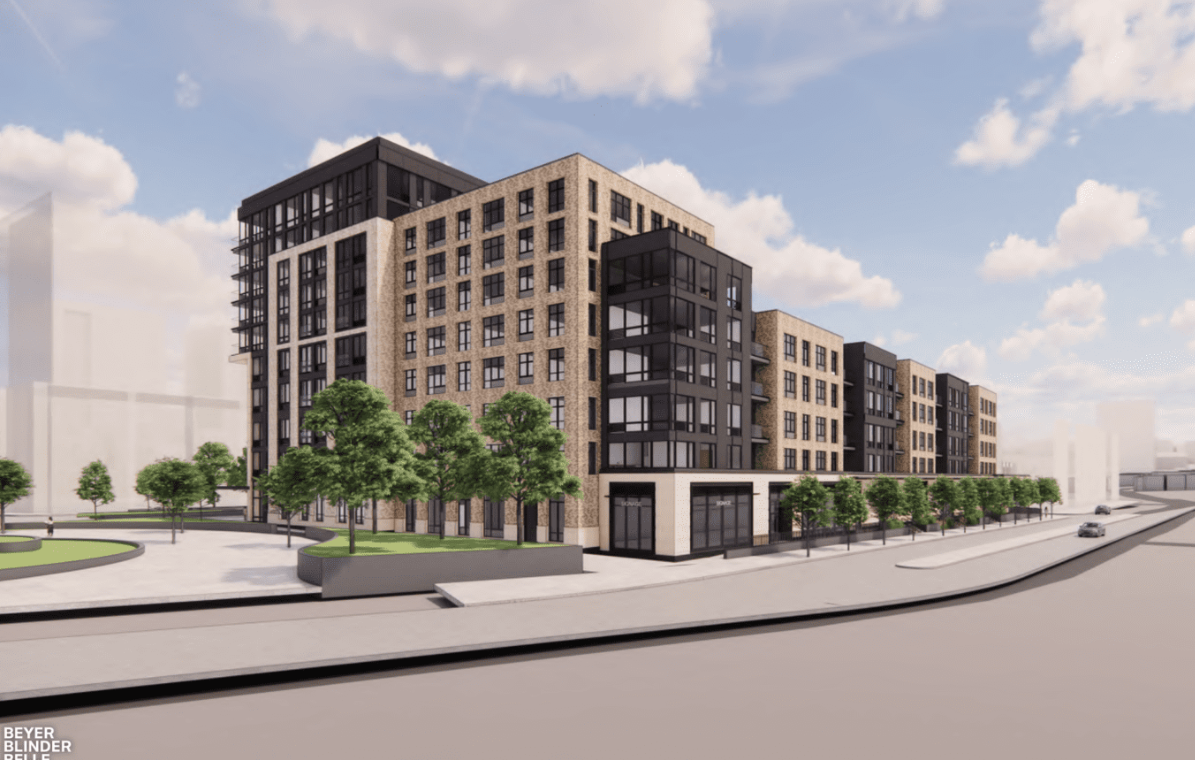
The Building For Working Families development agenda was launched on June 4th 2026 by Mayor James Solomon. The program’s focus is to keep Jersey City housing affordable for working families. According to The City of Jersey City website, the Mayor said, “The Canal Crossing project in Bergen-Lafeyette neighborhood showcases that building homes for working people is more about benefiting low-income communities instead of the wealthy winning.” The mandate is to ensure workers pay rents of $1,000 and below for 3 bedroom units. Union labor and community benefits, including schools, a recreational park, and commercial space will be maximized. Above all there will be a transit-oriented development near the Garfield Avenue light rail stop. For the modern working family that commutes regularly, a home close to transport networks is perfect as it reduces travel friction. Besides proximity to transport hubs, workers want elegant and multifunctional spaces that blend work and relaxation seamlessly. And developers strive to meet this need by creating homes for comfort and long-term value.
Designing Mixed-Use Properties
The construction of mixed-use properties offers a live-work-play lifestyle that the modern commuter desires. With offices and co-working hubs integrated in the same building, for instance, helps reduce travel time and money, thus reducing the commuter’s carbon footprint. Having pharmacies, grocery stores, restaurants, and gyms within a short distance or in a gated community, one can complete daily errands quickly before or after work. Plus, having homes near transit hubs helps lower travel-induced stress and boosts a better work-life balance. Reduced travel times means you have extra hours to relax, exercise, meditate, or engage in your favorite hobbies.
Note: Mixed-use property designs in New Jersey vary from one town to another. Jersey City, for example, features high-rise and mid-rise buildings with commercial or retail spaces built on the ground floor, while residential units sit on the upper floors. The rules for mixed-use real estate in Ridgewood are different, as preservation for its suburban character is top priority. New zoning regulations in Chestnut Village, for instance, allow up to 30 units of commercial, residential, and multi-family on one acre, and a height of 45 feet or three stories. In Gloffe, where townhouse-style housing is allowed, including stacking townhouses on a limited scale of 15 units per acre and 3 stories up.
Focus on Comfortable and Functional Interiors
Most housing for modern commuters feature the open-floor layout, which blends the living room, kitchen, and dining area into a single, fluid space. Without fixed or rigid walls, it’s easier for occupants to adapt spaces to changing needs. For example, you can add a reading nook or home office in one corner of the living room. The key is defining spaces in the home using rugs with different shapes and colors, for example. Lighting, semi-transparent floor-to-ceiling drapery, and furniture like a curved sofa or low-profile accent chairs are also ideal for separating the sitting zone from the dining area and workspace.
Entryways or mudrooms are being enhanced to act as transition spaces between work or outside life and your sanctuary ‘the home’. In Ridgewood, Jersey City, Hoboken, and other towns in NJ, mudrooms or entryways feature custom built-in benches and cabinetry, pull-out shoe drawers, vertical open-shelving, heavy-duty wall hooks for coats and hats, and durable flooring. In contemporary homes, entryways have compact consoles, charging stations, and decorated trays for placing keys, wallets, travel cards, and small gadgets. You can pick keys easily on your way out or even charge devices as you get off your coat or shoes.
Homeowners are also personalizing the entryway with artwork to evoke the feeling of being at home. Displaying your artwork collection or photographs in carefully selected custom picture frame sizes adds character, creating a focal point in the entrance. Try mixing large and small custom-made frames with metallic or wood finish to draw attention towards the wall. Then add statement-making pendants, mirrors, and rugs for style and visual impact. Combining elegant decor and practical architectural features helps create interiors that are sophisticated and meet your daily needs.
Smart Space Optimization
Building space in New Jersey’s suburban and urban regions is limited. So, builders are more focused on smart space utilization, which entails constructing built-in storage and appliance garages, vertical shelving, and foldable desks and beds to make spaces appear bigger. Builders are also designing multimodal infrastructure that ensures daily commuters have secure bicycle storage space, parking lots, and EV chargers within the building. Thoughtful space plans in the interiors allow active commuters to integrate multipurpose furniture, from storage benches and ottomans to convertible sofa beds and lift-top coffee tables. Placing furniture that serves multiple purposes helps keep homes clutter-free and stylish, saving you time in organization.
Too often, people rush to invest in furniture, decor, and color, as they affect a home’s appearance. In reality, however, how space is designed is more important because it determines its usefulness and comfort level. By integrating mixed-use property designs and smart space planning, builders are creating homes that suit the modern commuter’s lifestyle. Homes don’t just appear stylish. They are cozy and support the daily routines of busy individuals.





