
By midmorning, one storefront can be buzzing while the shop next door barely sees anyone turn the handle. That’s the challenge with a Main Street event. Getting people downtown is only the first part. The better question is how to keep them moving, browsing, and stepping into places they might usually pass.
Local events can bring increased foot traffic and consumer activity, but the best ones give every business a way to be seen. A strong plan doesn’t need to be complicated. It needs a reason to arrive, a reason to linger, and a few small prompts that pull people from one doorway to the next.
Build a Window Walk That Sends People Door to Door
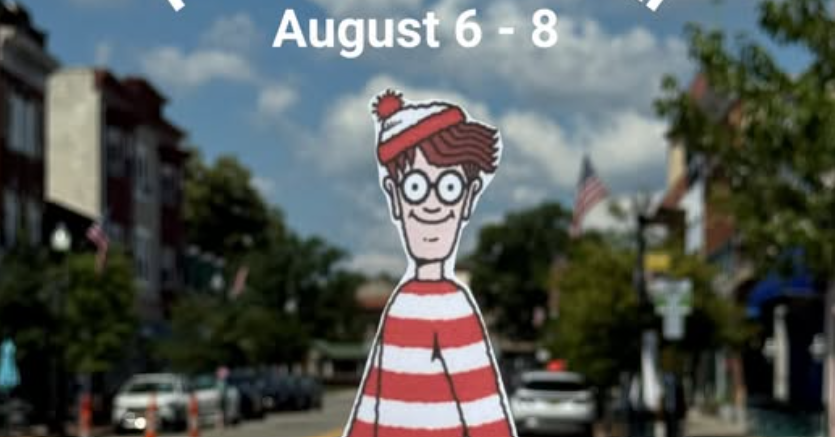
A themed window walk gives families, couples, and casual shoppers a reason to cover the whole block instead of stopping at the first coffee shop. Each participating business can hide an object, decorate around a shared theme, or post a clue in the window. Visitors collect stamps, write down answers, or vote for their favorite display.
This works well because people don’t need to buy something to enter the flow of the event. Once they’re already looking in the window, it feels natural to step inside, ask a question, or browse a table near the door. Restaurants, salons, boutiques, and professional offices can all join without needing the same kind of inventory.
Add Reasons to Linger Between Storefronts
People stay longer when the street itself feels worth hanging around. Food vendors, live music, sidewalk sales, and quick demos can stretch a short errand into an afternoon, while unique event attractions give families and passersby a clear reason to pause before moving on to the next storefront.
The spacing matters as much as the entertainment. Put music where people can gather without blocking entrances, place food where lines won’t cover a shop window, and give families something to do between purchases. A block that feels full but still easy to move through is more likely to send people into multiple stores.
Make Sidewalk Sales Feel Coordinated
A few folding tables outside random shops can look like leftovers from a clearance rack. A coordinated sidewalk sale feels different when stores share the same hours, use matching signs, and offer event-only items that are easy to understand from the curb.
Retailers can help themselves by using clear sale signs and community coordination instead of making shoppers guess what’s special. A bookstore might set out staff picks, a clothing store can group seasonal pieces by price, and a café can offer a limited drink that’s only available during the event. The goal is to make browsing feel quick, friendly, and low pressure.
Invite Local Makers to Demonstrate Their Work
A pottery wheel, flower arranging demo, chalk artist, chef sample, or bike repair table can stop people in a way a poster rarely can. Demonstrations give visitors something to watch without asking them to commit to a class or purchase right away.
Businesses can pair with makers who fit their customers. A kitchen store could host a knife skills demo, a hardware shop might bring in a gardener, and a children’s store could invite a local illustrator. These moments create conversation, and conversation often leads people inside.
Create a Return Loop Before People Leave
Instead of letting the event end when visitors finish the loop, give them a reason to come back later in the day or later in the month. A raffle that requires stamps from several businesses, a receipt-based giveaway, or a second performance near closing time can bring people back through the district.
The easiest version is a shared Main Street card that rewards visits, not just spending. Choose a date, give each business a clear role, and make the street feel connected from one end to the other. Foot traffic improves when the event is planned as a whole block experience, not a collection of separate storefronts hoping people wander in.





