Trenton NJ, Sal Risalvato, Executive Director of the New Jersey Gasoline, Convenience, Automotive Association (NJGCA) issued the following statement regarding the Treasury’s announcement that the tax on gasoline and diesel motor fuel will be increased by 9.3¢ a gallon starting on October 1st:
Trenton NJ, After a thorough review of fuel consumption statistics and consultation with the Legislative Budget and Finance Officer, the Department of the Treasury announced on Friday that lower fuel consumption trends, which have been exacerbated by the COVID-19 pandemic, will necessitate a gas tax increase of 9.3 cents per gallon in order to ensure compliance with the 2016 law that requires a steady stream of revenue to support the state’s Transportation Trust Fund (TTF) program.
In 2019 the Reason Foundation confirmed what New Jersey drivers may have had a hunch,the state has some of the worst road conditions in America ranking dead last in a new report on the country’s highway system.According to the annual highway report, released by the Reason Foundation, New Jersey has the worst urban traffic congestion in the U.S.
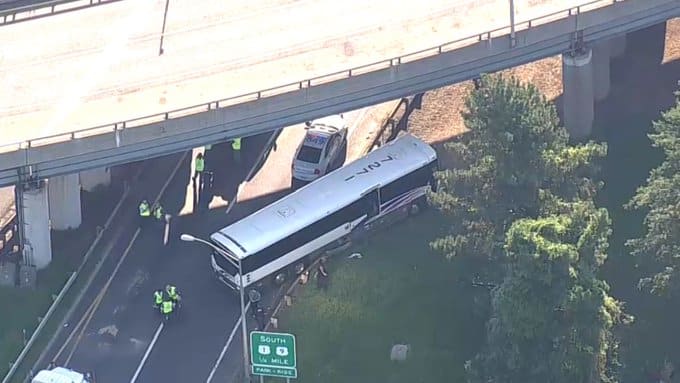
Secaucus NJ, according to reports 12 people were injured this morning when one New Jersey Transit bus rear-ended another on a New Jersey Turnpike exit ramp on Monday morning.
The 7:15 a.m. crash occurred when a 139 bus hit the back of a 113 bus as both were traveling from Exit 16E to Route 495 east in Secaucus, according to State Police and New Jersey Transit .
Both drivers and about 10 passengers were brought to local hospitals with ‘non life-threatening injuries. NJ Transit Officials reported seven passengers on the 139 bus and six passengers on the 113 bus. Both buses were headed to the Port Authority Bus Terminal in New York, the 139 from Lakewood and the 113 from Dunellen , New Jersey.The ramp from the Turnpike to Route 495 remains partially closed as of 9:20 a.m.
Bus, Light Rail, Access Link and Atlantic City Rail Line Resume Regular Service; Northeast Corridor to Resume with Weekend Service Wednesday at 10:00 a.m.; Other Lines Remain Suspended while Repairs Continue
Main/Bergen County to resume on weekend schedule at 10:00 a.m.
August 4, 2020
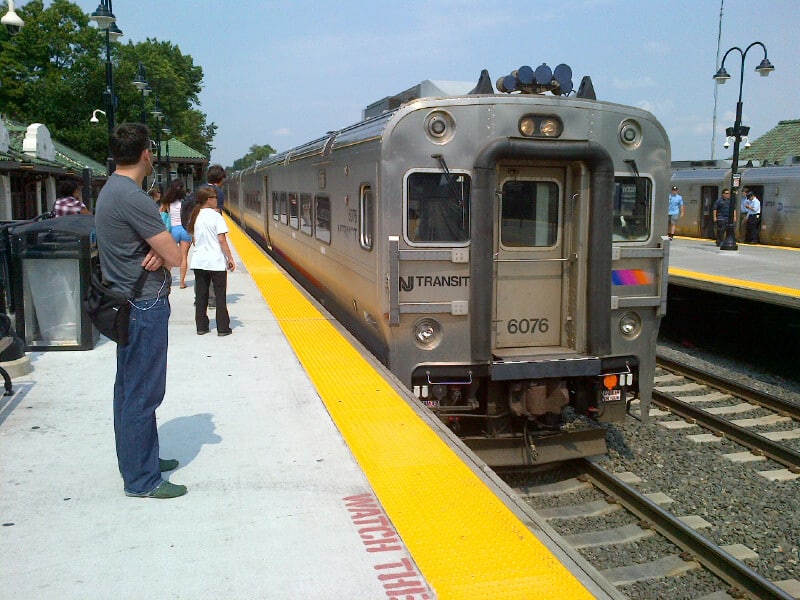
Ridgewood NJ, in the aftermath of today’s intense and damaging storm, NJ TRANSIT anticipates service on the Northeast Corridor will resume with weekend service at 10:00 a.m. tomorrow, Wednesday August 5, and Atlantic City Rail Line service will resume with regular weekday service. Morris & Essex, Montclair-Boonton, Main, Bergen, Pascack Valley, North Jersey Coast Line, Raritan Valley and Port Jervis rail lines will remain temporarily suspended for tomorrow morning’s commute as crews continue to work around the clock to clear approximately 150 trees, repair signal systems and repair overhead wires which power trains. These lines will resume service on a weekend schedule once these repairs are complete and tracks are inspected.
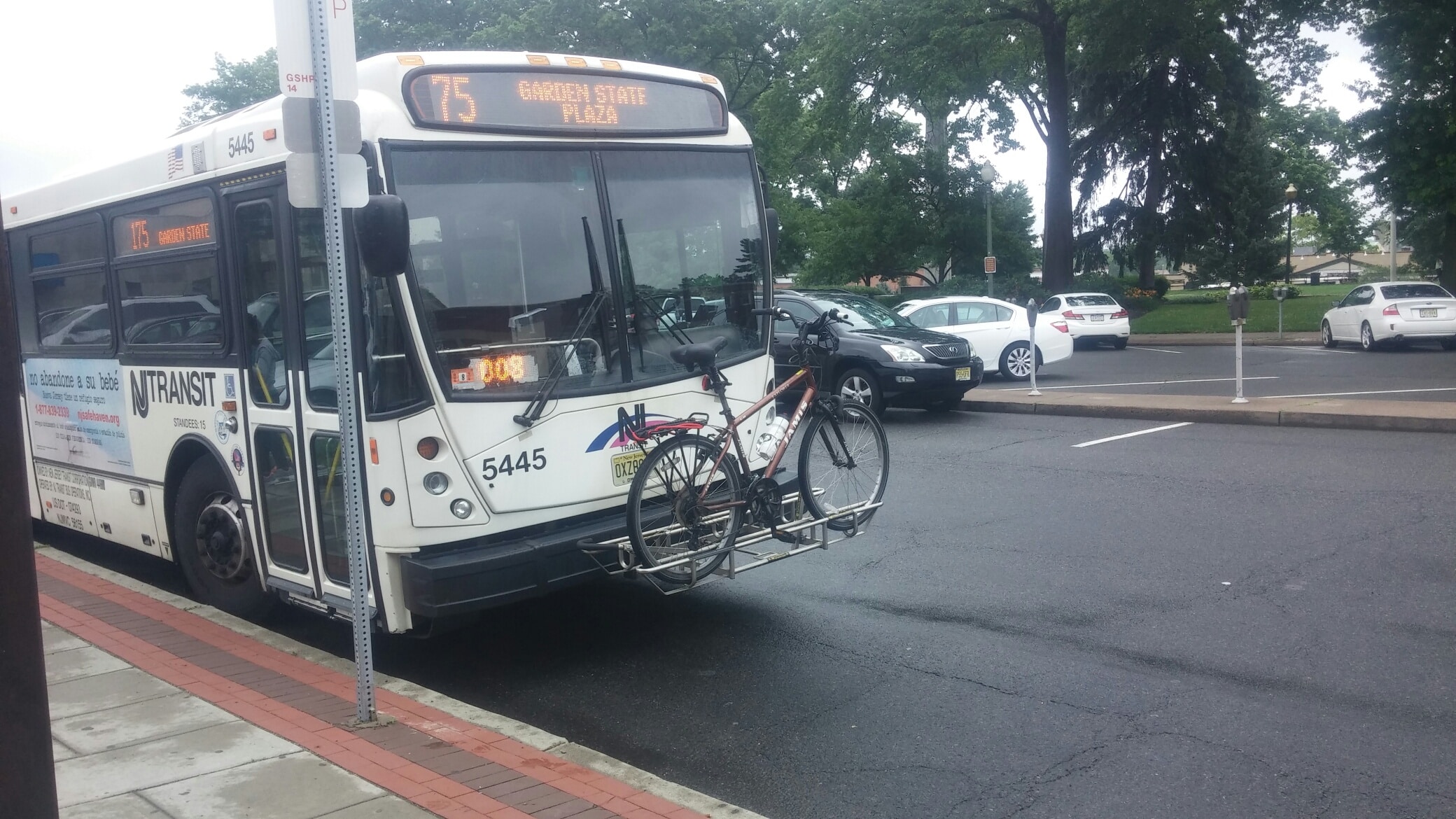
Ridgewood NJ, NJ TRANSIT is resuming the collection of cash fares and front door boarding on buses which have protective barriers installed around the bus operator beginning August 3rd. As part of NJ TRANSIT’s Your Ride to Recovery, the protective devices are being installed throughout the bus fleet to provide a barrier between the operator and customers. Cash fares and front door boarding will remain temporarily suspended on buses which have not yet had the barrier installation.
When it comes to vacations in America, Florida is one destination that visitors just keep coming back to! Regardless of what season it is, the climate and weather in Florida are absolutely perfect for a vacation. Known for its incredible wildlife, stunning beaches and world-class theme parks, Florida has so many attractions that make it the perfect vacation destination for everyone!
Known as one of the oldest gold mining cities in the United States, Denver, Colorado attracts thousands of tourists every year. Since the municipality has a unique mix of natural landmarks and festivities, it is easy to see why this metropolitan is booming with success. In fact, Denver is one of the fastest-growing cities in Colorado. However, it can be challenging for non-locals to navigate this populous city. Whether you are planning a family or a business trip to Denver, you should know what to expect when you arrive there. We’ve compiled a list of all the crucial facts and tips you should be aware of to make the most out of your trip to Denver. So, read on to know more!
Trenton NJ, Governor Murphy today advised individuals traveling to New Jersey from additional states with significant community spread of COVID-19 to quarantine for a 14-day period from the time of last contact within the identified state. The updated advisory includes 10 additional states – Alaska, Delaware, Indiana, Maryland, Missouri, Montana, North Dakota, Nebraska, Virginia, and Washington – with Minnesota removed from the list. The travel advisory applies to any person arriving from a state with a positive test rate higher than 10 per 100,000 residents or a state with a 10 percent or higher positivity rate over a 7-day rolling average.
Newark NJ, United Airlines today announced that the carrier will now maximize air flow volume for all mainline aircraft high-efficiency particulate air (HEPA) filtration systems during the entire boarding and deplaning process, helping further reduce the spread of COVID-19. In combination with the HEPA filters, the air conditioning and pressurization system onboard United’s mainline aircraft recirculates the air every 2-3 minutes and removes 99.97% of particles – including viruses and bacteria during both ground and air operations – making the air onboard a plane significantly cleaner than what people typically experience in restaurants, grocery stores, schools or even some hospitals. United pilots and ground staff are working to implement this new procedure for mainline aircraft beginning July 27.
Ridgewood NJ, Governor Phil Murphy today signed Executive Order No. 165, which lifts 50 percent capacity limits on NJ TRANSIT and private-carrier buses, trains, light rail vehicles and Access Link vehicles, and now requires that NJ TRANSIT and private-carriers limit vehicles to the maximum seated capacity, effective at 8:00 p.m. on Wednesday, July 15.
Ridgewood NJ, The NJ TRANSIT Board of Directors today approved the purchase of eight additional ALP-45A dual-powered locomotives manufactured by Bombardier Transit Corporation for a cost of approximately $70.5 million. The new locomotives will allow NJ TRANSIT Rail Operations to retire some locomotives in the fleet to increase mechanical reliability, improve on-time performance, provide operational flexibility and promote a more sustainable planet for the future.
Morristown NJ, As many of us are driving more lately, some utilizing public transportation again and some fortunate residents are just returning to work, observations regarding the continued state of disrepair of many roads and bridges in New Jersey have resurfaced. Along with those observations comes some questions the Garden StateInitiative (GSI) believes the public should be asking of our leaders in Trenton. What should we have expected to get from our Gas Tax money? And why would we keep paying more until we see better results?
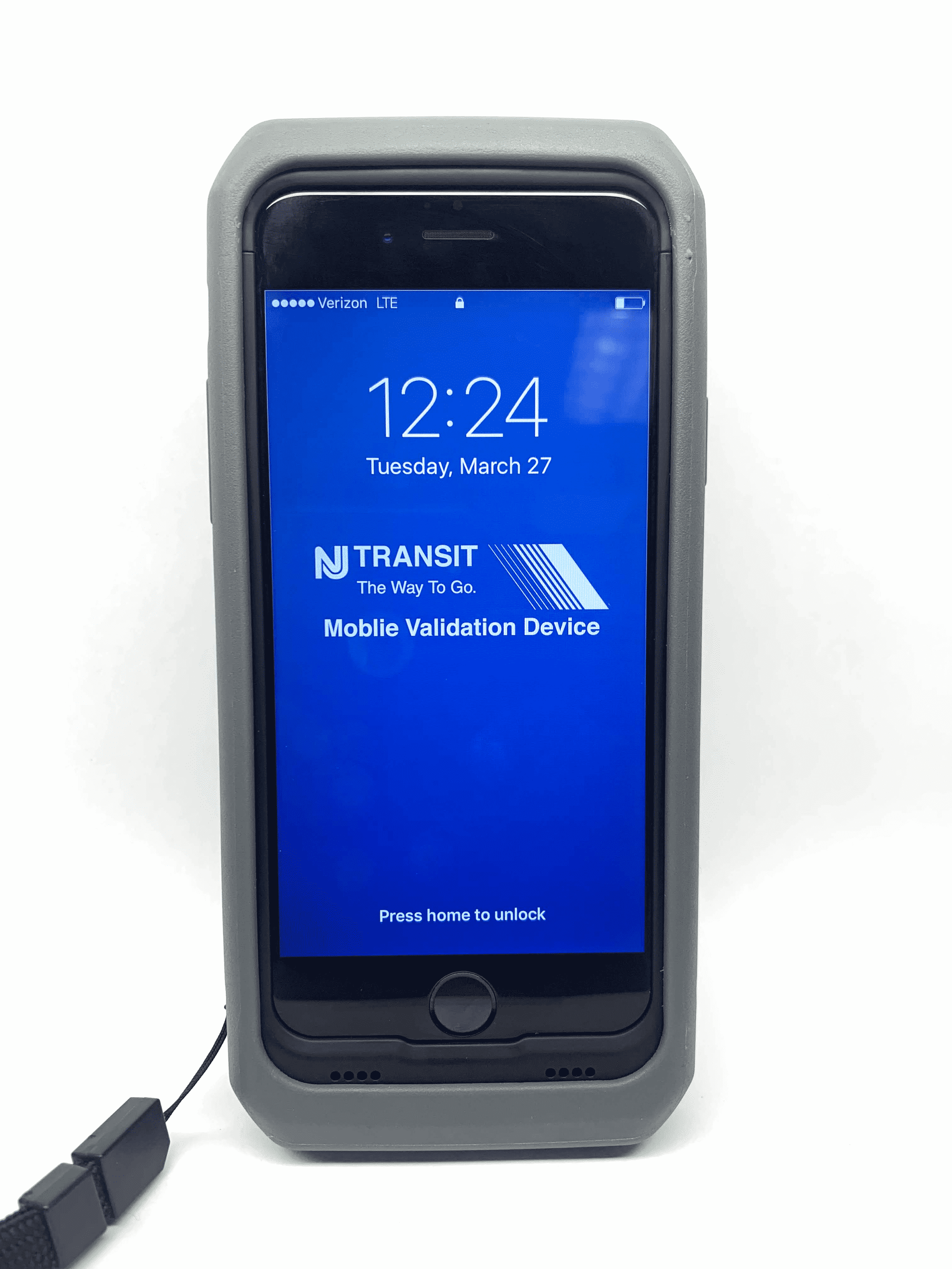
Ridgewood NJ, NJ TRANSIT has begun its high-tech upgrade to fare collection on trains. Handheld mobile devices are being issued this week to train crews on the Raritan Valley Line (RVL). The mobile devices can scan and validate both paper tickets/passes and electronic tickets/passes displayed on the mobile app ultimately creating a more contactless customer experience and improved ridership data.
Ridgewood NJ, NJ TRANSIT is resuming the collection of cash fares on board trains beginning Monday, July 6th. The cash option was temporarily suspended as a precaution against the spread of COVID-19. Cash transactions on board trains will be subject to the previous $5 surcharge policy. Customers are strongly encouraged to purchase tickets prior to boarding using the NJ TRANSIT mobile app and ticket vending machines (TVMs).
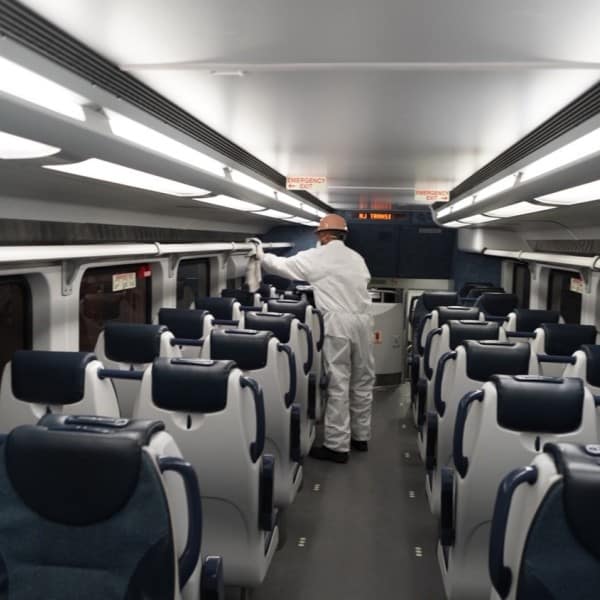
Ridgewood NJ, according to the CDC ,travel increases your chances of getting and spreading COVID-19. We don’t know if one type of travel is safer than others; however, airports, bus stations, train stations, and rest stops are all places travelers can be exposed to the virus in the air and on surfaces. These are also places where it can be hard to social distance (keep 6 feet apart from other people).