
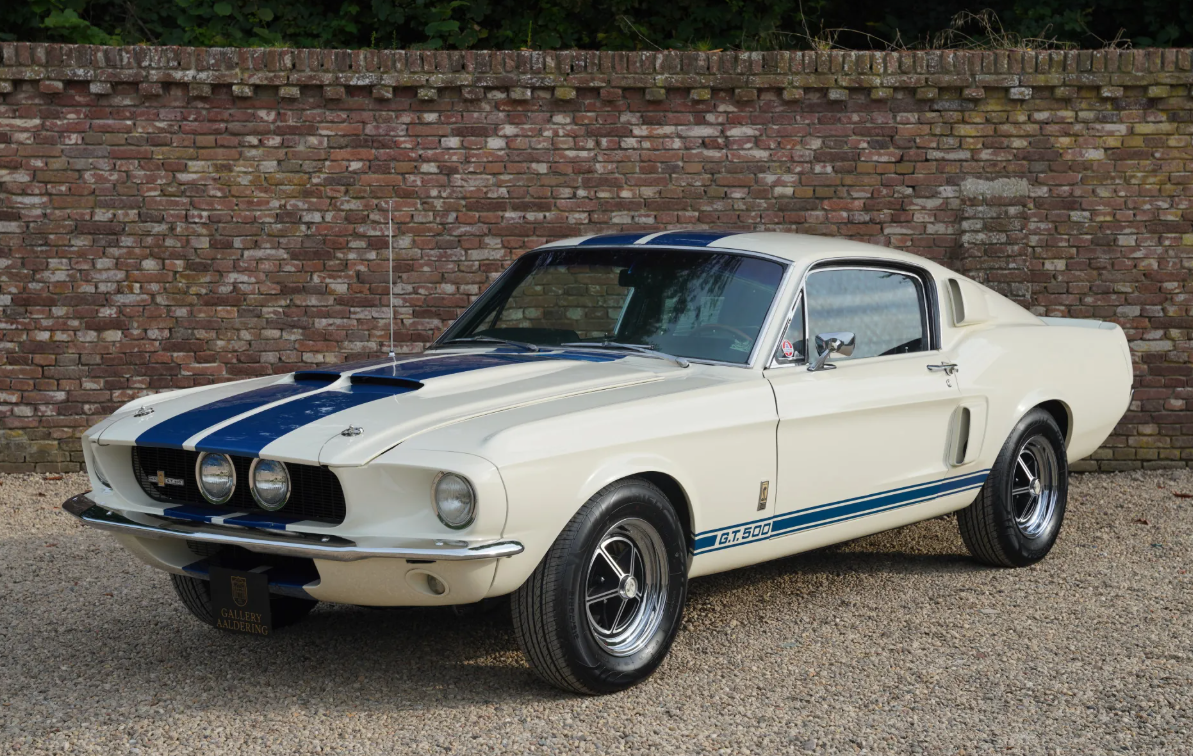
Few badges in American automotive history carry as much weight as the two letters stamped on the side of a Ford Mustang GT. Whether you’re a lifelong enthusiast or someone who just spotted one on the highway and felt your pulse quicken, the GT designation is more than a marketing label — it’s a declaration of performance intent. Understanding what it means, where it came from, and why it continues to define a generation of muscle cars is essential for anyone serious about the Mustang legacy.
The Origins of the GT Designation
The term “GT” is borrowed from the Italian phrase Gran Turismo, which translates roughly to “grand touring.” In European automotive tradition, a Gran Turismo vehicle was designed to cover long distances at high speeds in comfort — a car that blended luxury with genuine performance capability. Ferrari, Aston Martin, and Maserati all used the term to describe their most capable road cars, and the phrase quickly became synonymous with a certain class of driving excellence.
Ford adopted the GT badge for the Mustang in 1965, just one year after the original pony car debuted. At the time, it signified a specific performance package that included a more powerful V8 engine, front disc brakes, a handling suspension, and distinctive exterior styling cues. It wasn’t just a trim level — it was a statement that this particular Mustang was built to be driven hard and driven well.
What Separates a GT from a Standard Mustang
Over the decades, the Mustang GT has evolved considerably, but the core philosophy has remained consistent: more power, better handling, and a driving experience that justifies the badge. In modern iterations, the GT comes equipped with Ford’s 5.0-liter Coyote V8 engine, producing well over 450 horsepower depending on the model year. That’s a significant leap over the base EcoBoost four-cylinder, and it’s a difference you feel the moment you press the accelerator.
Beyond raw power, the GT typically features upgraded brakes, sport-tuned suspension, and a more aggressive exhaust note that has become iconic in its own right. The exterior styling also sets it apart — the GT badge, dual exhaust tips, and specific fascia treatments give it a visual presence that commands attention on any road.
Performance Packages That Elevate the GT Further
Ford has offered several performance packages over the years that build on the GT foundation. The GT Performance Package, often abbreviated as PP1 and PP2, adds Brembo brakes, MagneRide dampers, wider rear tires, and aerodynamic enhancements. These packages transform an already capable car into something that can genuinely compete on a track while remaining comfortable for daily driving. The GT350 and GT500 variants push even further, but the standard GT with a performance package represents one of the best performance-per-dollar propositions in the American market.
The Cultural Weight of the GT Badge
The Mustang GT isn’t just a car — it’s a cultural artifact. It has appeared in films, television shows, and music videos for decades. It has been raced, modified, restored, and celebrated by enthusiasts across the world. The GT badge carries a kind of shorthand recognition that few automotive designations can match. When someone says they drive a Mustang GT, the listener immediately understands something about that person’s relationship with driving.
This cultural resonance is part of why the Mustang GT continues to sell in significant numbers even as the automotive landscape shifts toward electric vehicles and crossovers. There is a community of drivers who specifically seek out the GT experience — the V8 rumble, the rear-wheel-drive dynamics, the sense of connection between driver and machine that defines the best muscle cars.
Classic Mustangs and the GT Legacy
The legacy of the GT badge is perhaps best understood by looking at the classic Mustangs that helped define it. Collectors and enthusiasts have long sought out early GT models, and the market for well-preserved or thoughtfully restored examples remains strong. A 1966 Ford Mustang Shelby clone built for street racing illustrates just how deeply the performance culture around early Mustangs ran — these were cars that people modified, raced, and pushed to their limits, and that spirit is very much alive in the modern GT.
Understanding the GT Through Expert Eyes
For those who want a thorough, authoritative breakdown of the badge’s history and significance, the Mustang GT Meaning resource from Revology Cars offers an in-depth look at how the designation evolved from its 1965 origins to the present day, covering everything from engine specifications to the cultural identity that the GT badge has come to represent. It’s an essential read for anyone who wants to understand not just what the letters stand for, but what they mean in the broader context of American automotive history.
About Revology Cars
Revology Cars is a Florida-based manufacturer specializing in factory-quality reproductions of classic Ford Mustangs from the 1960s. Unlike traditional restomods or restorations, Revology builds its vehicles from the ground up using modern manufacturing techniques, new-production components, and contemporary powertrains — all while maintaining the authentic styling of the original cars. Their Mustang coupes and convertibles are built to exacting standards, offering the visual experience of a classic with the reliability and safety of a modern vehicle. For enthusiasts who love the heritage of the GT but want a car they can drive every day without worry, Revology represents a compelling option.
The GT on the Road: Real-World Implications
Owning a Mustang GT comes with real-world responsibilities that enthusiasts should take seriously. The car’s power and rear-wheel-drive configuration demand respect, particularly in adverse weather conditions or unfamiliar road environments. Incidents involving high-powered vehicles are not uncommon, and even experienced drivers can find themselves in difficult situations. A recent crash in Ridgewood that sent a car into a building serves as a reminder that powerful vehicles require attentive, responsible driving at all times. The GT’s performance capabilities are a privilege, not an invitation to recklessness.
Driving a GT Responsibly
Ford has incorporated a range of driver assistance and safety technologies into modern Mustang GTs, including line-lock for controlled burnouts in safe environments, launch control for consistent acceleration, and selectable drive modes that adjust throttle response, steering weight, and stability control intervention. These features allow drivers to explore the car’s capabilities in a more controlled manner, whether on a track day or during spirited driving on appropriate roads.
Conclusion: A Badge That Earns Its Reputation
The Mustang GT badge has endured for nearly six decades because it represents something genuine. It isn’t a marketing invention or a superficial trim upgrade — it’s a commitment to a specific kind of driving experience that has resonated with generations of enthusiasts. From the original 1965 GT package to the modern 5.0-liter V8 powerhouse, the badge has consistently meant more power, more capability, and more driving satisfaction. Whether you’re considering buying one, restoring a classic, or simply curious about what those two letters mean, the GT story is one worth knowing in full.





