Continue reading ELI LILLY monoclonal antibody treatment for COVID Shows Promise


the staff of the Ridgewood blog
Ridgewood NJ, according to Johns Hopkins Center for Health Security a recent CDC study published in the MMWR assessed self-reporting of recommended behaviors to mitigate SARS-CoV-2 transmission, including mask-wearing, hand washing, social distancing, and staying home when sick. The Data Foundation COVID Impact Survey collected national data on reported mitigation behaviors from April to June among adults.

the staff of the Ridgewood blog
New Brunswick NJ, according to Johns Hopkins Center for Health Security two major vaccine trials, those of AstraZeneca and Johnson & Johnson, are positioned to restart after being paused over potential safety concerns. The AstraZeneca trial was paused on September 6th, but after independent monitoring of the adverse event several trial sites in other countries resumed later in September. The US FDA held off on restarting AstraZeneca trial sites in the US through October in order to further investigate the event with their own team. The Johnson & Johnson vaccine trial was paused on October 11 after a participant suffered a stroke. This adverse event was also independently reviewed and a final report was sent to the US FDA that recommends the vaccine trial continue. The Johnson & Johnson trial can start re-enrolling participants as early as next week. This vaccine is of particular interest to many since it is a one-dose vaccine which would greatly simplify the process of quickly inoculating millions of people. The AstraZeneca vaccine has already shown promising preliminary results and seems to produce an immunogenic response in elderly participants as well as in younger ones. It is important that any eventual vaccine can produce immunogenic responses in the eldery, in children, and in those with underlying conditions. The Pfizer vaccine has begun to enroll a cohort of children between the ages of 12-18 to test its efficacy in this age group. 16- and 17-year-old volunteers are the first to be enrolled in this study, with researchers soon looking to enroll their younger peers.

the staff of the Ridgewood blog
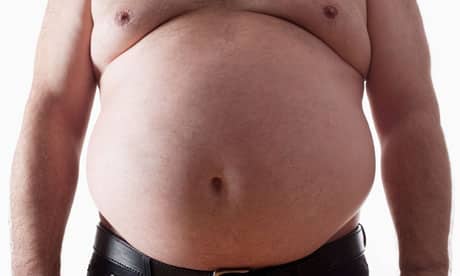
Ridgewood NJ, according to Johns Hopkins Center for Health Security ,the US CDC updated its guidance regarding individuals at elevated risk of severe COVID-19 disease and death due to underlying medical conditions, including more detailed information regarding the risk associated with obesity. The previous iteration of the guidance noted that individuals with a body mass index (BMI) of 30 or higher were at elevated risk of severe COVID-19 disease. The most recent update includes multiple categories: obesity (BMI of greater than 30 but less than 40) and severe obesity (BMI of 40 or greater). Additionally, the guidance notes that individuals “having overweight” (BMI of greater than 25 but less than 30) may also be at elevated risk of severe disease. The expanded risk group could potentially mean that 72% of all Americans are at elevated risk of severe disease based solely on their weight. Notably, BMI does not accurately characterize body fat percentage or overweight/obesity in all individuals, but it provides a simplified metric to help categorize risk associated with these conditions.
Continue reading Obesity Leads to elevated risk of severe COVID-19 disease

the staff of the Ridgewood blog
Ridgewood NJ, according to Johns Hopkins Center for Health Security ,nine months into the COVID-19 pandemic, clinicians are observing more well-defined patterns of long-term health consequences for COVID-19 patients. A commentary published in JAMA describes some of the frequently reported manifestations in recovered patients. Although long-term health effects are more likely to be exhibited by patients with more severe disease (e.g., admitted to an intensive care unit), these effects are also being observed in persons with milder illnesses. General fatigue and dyspnea were the most commonly reported long-term sequelae, in addition to general joint and chest pain.
Continue reading Long-term health consequences for COVID-19 patients

the staff of the Ridgewood blog
Ridgewood NJ, according to Johns Hopkins Center for Health Security ,Pharmaceutical manufacturer Eli Lilly submitted an EUA request to the FDA for its monoclonal antibody cocktail as a COVID-19 treatment after clinical trials for the drugs met the target clinical endpoints. Results from a Phase 2 clinical trial indicate that a combination of two of Eli Lilly’s monoclonal antibodies reduced viral load in COVID-19 patients mitigated symptoms and resulted in fewer hospitalizations and emergency department visits. The study included 268 total participants with mild-to-moderate COVID-19 symptoms, 112 of whom received the treatment and 156 who received a placebo. Additionally, a press release issued by the company indicates that no serious adverse events were reported. The company stated that it aims to make 100,000 doses of a single antibody available by the end of October and 1 million by the end of 2020. For the combination therapy, the company hopes to produce 50,000 doses by the end of 2020, and it is collaborating with various external partners to ensure availability for lower-income countries.

Continue reading CDC Reconfirms COVID infections are principally spread through “close contact”

Continue reading Johnson & Johnson (J&J) published preliminary findings for COVID19 Vaccine


Continue reading CDC Walks Back the Mortality Rate Walk Back


from Johns Hopkins Center for Health Security

the staff of the Ridgewood blog
Continue reading COVID 19 Response the Battle of the Healthcare Bureaucracies