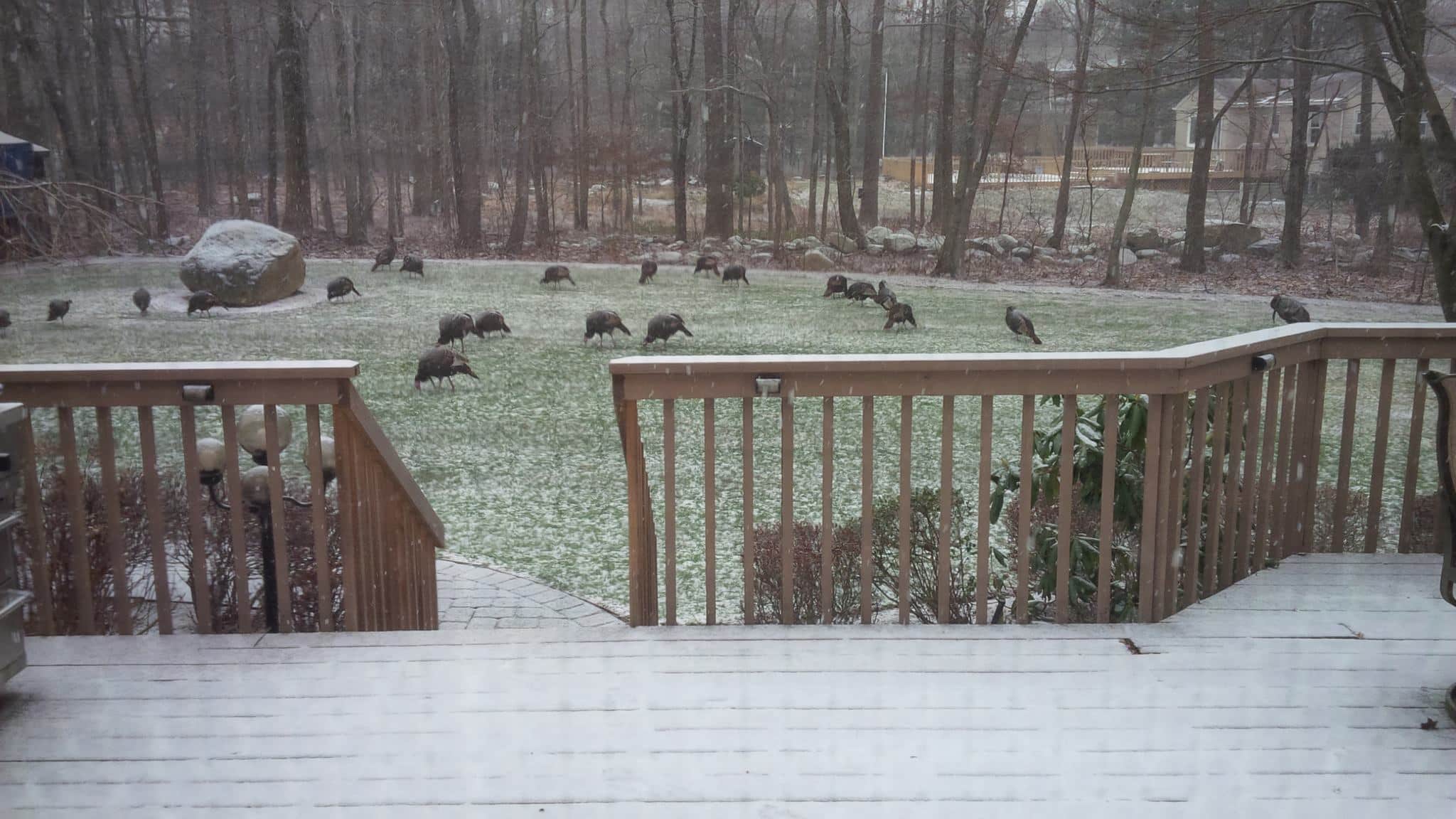
Paramus NJ, the NJ Division of Fish and Wildlife offers webinars to get you ready for spring gobbler season and trout fishing! Yes folks you can learn to call a turkey, its really a thing ! We have had a few run ins with wild turkeys from time to time and this may have come in handy .
Ridgewood NJ, the NJ Division of Fish and Wildlife is joining fish and wildlife agencies nationwide to alert consumers about aquarium products that may be infested with invasive Zebra Mussels that have been found in “moss balls,” an aquarium plant product sold at aquarium and pet supply stores. Zebra mussels are regarded as one of the most destructive invasive species in North America.
Little Egg harbor NJ, on Thursday, January 14, the Division‘s Bureau of Marine Fisheries expanded the state’s artificial reef network through deployments on Little Egg and Manasquan Inlet Reefs.
Ridgewood NJ, according to the NJ Division of Fish and Wildlife ,last week 28 waters were stocked with “Super Cats”, channel catfish averaging 28 inches and 6.5 pounds. These retired breeders are sure to provide some exciting time on the water.
Ridgewood NJ, NJ Division of Fish and Wildlife has created an interesting website to upgrade Your yard for wildlife! With all the extra time at home lately, lots of people are trading travel plans for house projects, starting gardens, and finding ways to make our yards a little more cozy, colorful, and self-sufficient. The right kind of landscaping can also make a better home for beneficial insects (and other wildlife, too), for whom backyard habitats are important “stepping-stones” that keep their populations healthy and connected.
Jersey-Friendly Yards has great tips to help you create that better yard! Mow less and flower more…get inspired with the Interactive Yard tool:
The Interactive Yard – Learn how to transform yours into a Jersey-Friendly Yard!
Catch the summer webinar series, “Wild About Jersey-Friendly Yards,” to get bonus pointers for your backyard habitat. And check the Jersey-Friendly plant database to pick the best native plantings for your specific part of the Garden State.
See our Connecting Habitat Across New Jersey Guidance Document (Chapter 4, page 9) for even more resources like these. You don’t need a lot of land to be part of the CHANJ!
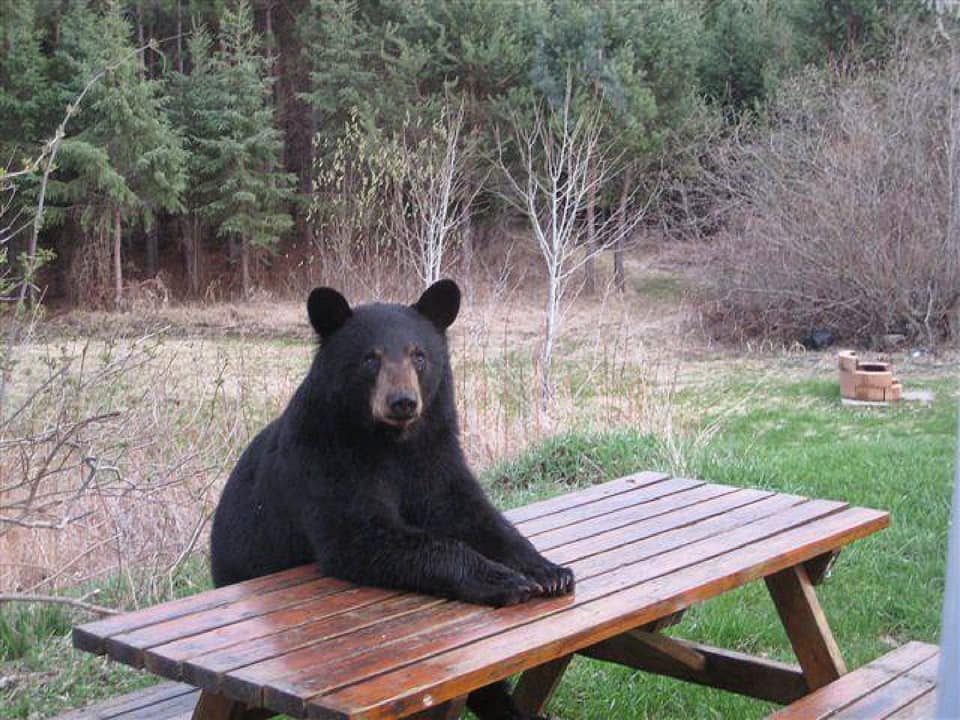
Paramus NJ, A black bear has been sighted in the area of Columbine Road. Anyone who sees the bear is asked to contact the Paramus Police Department at 201-262-3400. Nearly wiped out a century ago by habitat destruction and indiscriminate killing, black bears today are thriving, particularly in the northwestern area of the state. Their range is expanding south and east, and black bears have been sighted in all of New Jersey’s 21 counties. Black bears learn very quickly.
Hawthorne NJ, Hawthorne Police reported a bear sighting in an amusing post , “Hi, I’m Kevin. I hear one of my family members has been spotted in the area of Goffle Hill and Fairview. Just so you know, he’s totally cool and isn’t gonna bother anyone. No need to be afraid.”
Ridgewood Nj, its the end of the summer and NJ Division of Fish and Wildlife want you to tell your fish stories for the 2020 Freshwater Digest! The NJ Division of Fish and Wildlife is excited to announce the opportunity to have your photo and story printed in the 2020 edition of the Freshwater Fishing Digest! We want to give you the chance to show off your favorite fish and tell your favorite story to the rest of New Jersey’s freshwater anglers. It might be your child’s first fish, a particularly impressive catch, or something completely unexpected. To enter for the chance to have your story printed, just submit a photo of you holding the fish, along with 5-7 sentences about what made the experience so memorable. Our staff will select winners from the submissions.
To submit your photo and story, send the picture and short paragraph to [email protected]
The Largest Lake Trout ever handled in New Jersey! This trout, captured in 2009, weighed 32 pounds 11 ounces! Photo by DFW Principal Fisheries Biologist, Shawn Crouse
the staff of the Ridgewood blog
Hackettstown NJ, Join NJ Division of Fish and Wildlife for a public forum to discuss freshwater fisheries research, management and recreational angling in New Jersey. A second forum takes place February 23 at Batsto Village in Wharton State Forest.
The NJDEP Division of Fish and Wildlife holds forums to improve communication with the angling public and to solicit public input. Your input can help shape freshwater fisheries programs in the future. The forums are a perfect opportunity for all freshwater anglers to learn about existing programs and to share their views and recommendations.
This year’s topics include Updates on ongoing Restoration Projects and Bass Sampling Highlights in North/Central New Jersey Lakes. There will also be updates on fish production activities. Suggestions for potential regulation changes for 2021 will also be welcomed during the open discussion.
There will be time for open discussion with professional staff to during the extended question and answer period. There is also time for one on one discussions with Division fisheries biologists following the meeting.
Be part of the development of future programs and regulations related to New Jersey’s freshwater fisheries resources!
NJ Division of Fish and Wildlife- Public Forum 10:00 a.m, Saturday, January 19 Hackettstown State Fish Hatchery in Warren County
Ridgewood NJ, according to NJ Division of Fish and Wildlife Black bears are the largest land mammal in New Jersey. They are an integral part of the state’s natural heritage and a vital component of healthy ecosystems.
Since the 1980s the Garden State’s black bear population has been increasing and expanding its range both southward and eastward from the forested areas of northwestern New Jersey. Within the most densely populated state in the nation, black bears are thriving and there are now confirmed bear sightings in all 21 of New Jersey’s counties.
Division of Fish and Wildlife personnel use an integrated approach to managing New Jersey’s black bear population, fostering coexistence between people and bears.
The most common bear problem New Jersey’s residents experience is black bears getting into their garbage. Bears are attracted to neighborhoods by garbage odors, so properly securing your garbage is one of the best ways to prevent bears from becoming a nuisance in your community. Residents are encouraged to work within their community to make sure all garbage is secured and kept away from bears.
For tips on proper garbage management and coexisting with bears. Black bears learn very quickly and bears that are fed intentionally or unintentionally by carelessly leaving out food or garbage will associate people with food. Bears will eat almost anything including human food, garbage, pet food, birdseed and small livestock. Once they find an easily accessible food source, like garbage in a housing development, they will lose their wariness of people and may return to the available food source. These bears can become a nuisance or aggressive and may have to be trapped and aversively conditioned or destroy
Remember: Never feed bears! It’s illegal in New Jersey, and it’s dangerous. Anyone who feeds bears could face a penalty of up to $1,000 for each offense.
Report black bear damage or nuisance behavior to the DEP’s 24-hour, toll-free hotline at 1-877-WARN DEP (1-877-927-6337).
Ridgewood NJ, In New Jersey you don’t need a fishing license if you are under the age of 16.
Anyone age 16 and older must have a valid license (see Exceptions) to fish the fresh waters of New Jersey with handline, rod and line, or longbow and arrow. This includes privately owned lakes and other waters. New Jersey does not require a general saltwater fishing license but there are a limited number of saltwater licenses and permits required. Additionally, most saltwater anglers need to register with the free New Jersey Saltwater Recreational Registry Program.