New Amazon Package Scam Targets NJ Residents: Don’t Scan That QR Code
the staff of the Ridgewood blog
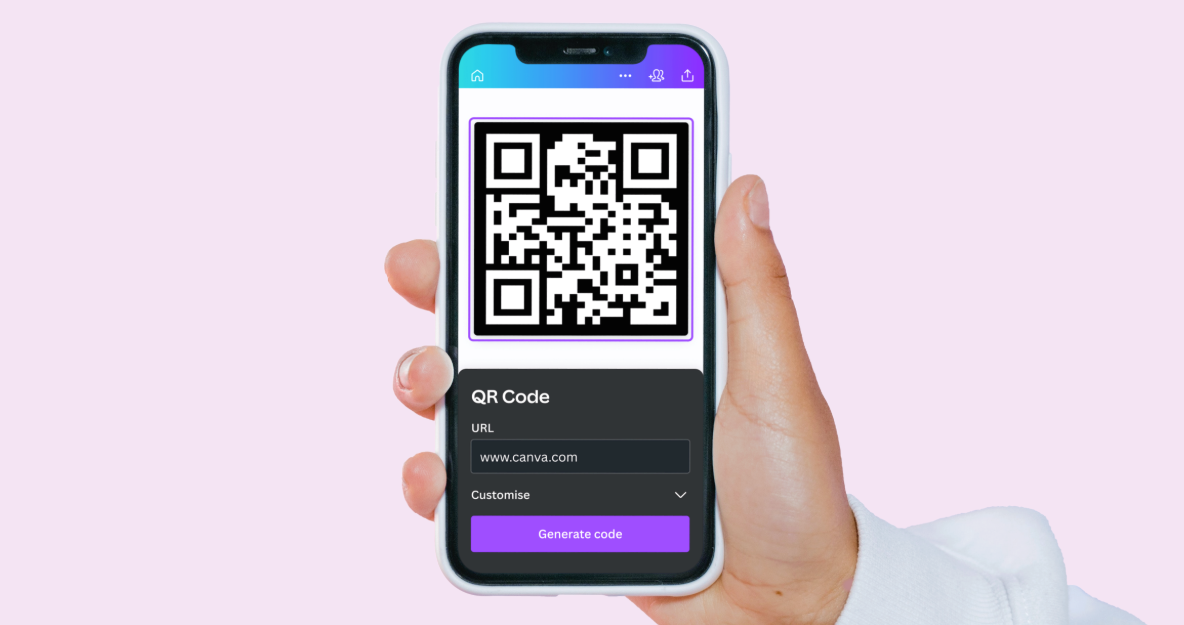
Westwood NJ, A sophisticated nationwide scam has landed in Bergen County, prompting an urgent warning from local law enforcement. If an unexpected package arrives at your door with a mysterious QR code inside, you could be one click away from identity theft.
Ridgewood NJ, April 2025 marks one year since the Federal Trade Commission (FTC) implemented its Impersonation Rule—a powerful new tool in the fight against one of the most damaging types of fraud in the U.S.
Twp. of Washington NJ, the Bergen County Consumer Affairs has issued a Scam Alert, Imposter scam claiming to be State of NJ to obtain your information for identity theft. Use caution anytime responding to anything you receive via text or email. Stay Alert and help your friends, refer your fiends to our Facebook page (Bergen County Consumer Affairs)for scam alerts, product recalls and consumer news. Our website is a great tool too! www.BergenPassaicConsumerAffairs.com
Ridgewood NJ, a public hearing was held to discuss the annual renewal of Policy and Regulation 2361 – Acceptable Use of Computer Networks/Computers/Personal Electronic Devices (PEDs) and Resources. There were no changes to this policy. A number of measures are in place to address cybersecurity and internet safety, including a web filter and anti-virus software. The district subscribes to an electronic monitoring service that filters content. Administrators are notified of any issues regarding inappropriate use of electronic devices, and follow-up discussions are held with parents and students. The IT department runs cybersecurity and phishing tests for our staff, and training in this area is provided to staff.
Intern, Division of Consumer & Business Education, FTC
Scammers love to use the same old tricks in new ways. One of their favorites is to pose as a business or government official to pressure you into sending them money or personal information. Now, some scammers are pretending to be popular online shopping websites, phishing for your personal information.
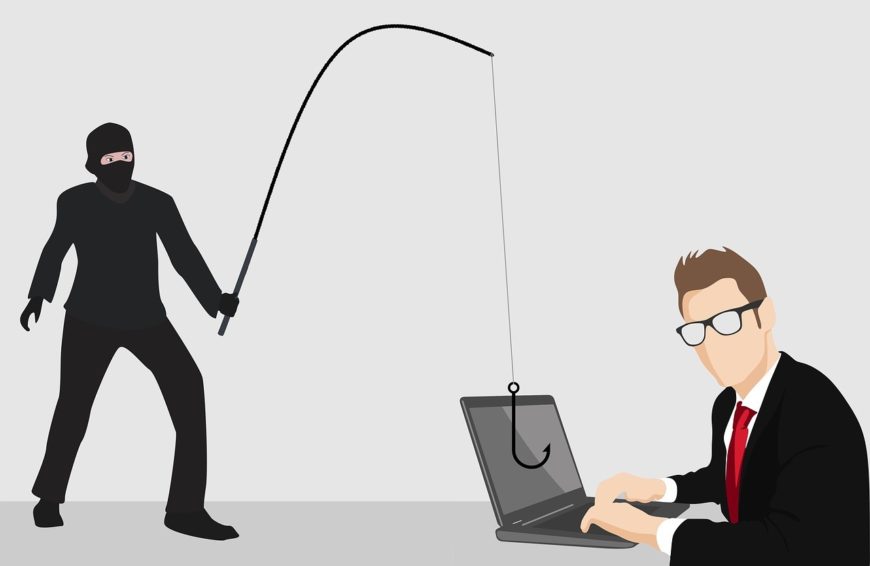
Ridgewood NJ, in recent days the Ridgewood blog has been the target of “new” phishing scam . Phishing is the fraudulent attempt to obtain sensitive information such as usernames, passwords and credit card details by disguising oneself as a trustworthy entity in an electronic communication. This new one claims the Ridgewood blog is claiming we are using copyrighted images .
by Ari Lazarus , Consumer Education Specialist, FTC
Ridgewood NJ, Hey college students: even though you’re likely far from campus, scammers are still trying to find you.
Maybe you or your friends have gotten an email claiming to be from the “Financial Department” of your university. The email tells you to click on a link to get a message about your COVID-19 economic stimulus check — and it needs to be opened through a portal link requiring your university login. Don’t do it. It’s a phishing scam. If you click to “log in,” you could be giving your user name, password, or other personal information to scammers, while possibly downloading malware onto your device.
Ridgewood NJ, We all face increased digital risk and a new #cybersecurity reality due to COVID-19. Join us for a free webinar on Wednesday May 27th from 11:30-12:30pm and learn from a leader in the industry about email threats trending today and how to stay safe while working remotely.
Ridgewood Police Caution against “Phishing” identity scams
November 13th ,2015
the staff of the Ridgewood blog
Ridgewood NJ, Ridgewood Police continue to caution against identity theft . On Saturday November 7, 2015 a Stevens Avenue resident reported a suspicious incident that occurred via the internet. He/she was notified via email that there was a problem with his/her credit card account leading them to a link requesting his/her account information.
Prior to providing his/her personal information the resident realized that the notification was in fact fraudulent. This is a common scheme for perpetrating identity theft crimes, do not provide your personal account information to anyone before positively verifying the identity of the entity requesting it. Fraudulent sites camouflage themselves in order to trick potential victims into believing that they are legitimate.
This is often called ; Phishing . Phishing is when internet fraudsters impersonate a business to trick you into giving out your personal information, it’s called phishing. Don’t reply to email, text, or pop-up messages that ask for your personal or financial information. Don’t click on links within them either – even if the message seems to be from an organization you trust. It isn’t. Legitimate businesses don’t ask you to send sensitive information through insecure channels.