
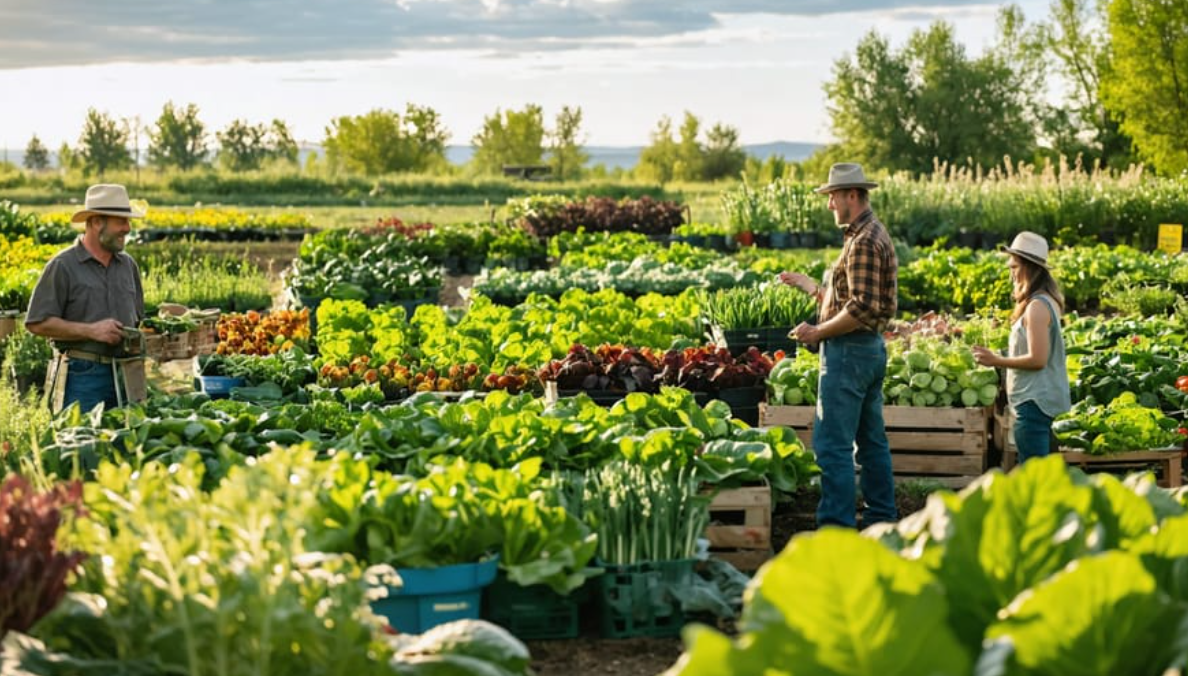
Social media has turned farming into a major aspiration. Cottagecore aesthetics dominate Instagram and TikTok, showing golden-hour harvests, freshly kneaded sourdough and photogenic chickens. A 2020 Gallup poll in the US found the share of people who’d prefer to live in the country jumped from 39% in 2018 to 48%, with the pandemic widely cited as the driver.
The appeal of rural living isn’t just an American story. In England, internal migration data shows more people moving into rural areas than leaving them, and UK retailers have noted growing interest from people taking on small plots of just a few acres.
However, these curated feeds skip what real farmers face daily. They don’t show the predawn livestock checks in driving rain, fencing repairs in frozen mud, or lambing shifts that run for 18 hours. There’s also the financial reality. Income from small-scale farming is modest and unpredictable, and many hobby holdings make very little once costs are taken out.
Essential Gear That Keeps New Farmers from Quitting
The romanticized image of rural life rarely includes the actual gear you need to survive a British winter. When you’re dealing with freezing temperatures and relentless downpours, a stylish canvas jacket won’t protect you. Newcomers often learn this the hard way during their first November gale.
Experienced smallholders know that high-quality farming waterproofs are far more important than any aesthetic toolkit you see online. If you’re soaked to the skin by 6 AM, you won’t care about your social media feed.
Investing in heavy-duty clothing protects your health and your enthusiasm. You’ll need items like bib and brace overalls that stop mud from sliding down your trousers, along with chemical-resistant aprons for handling treatments or messy jobs around the animals.
These pieces of kit might not look fashionable, but they create a reliable barrier between you and the elements. Choosing the right protective gear is often the main factor that separates prepared beginners from those who give up before spring arrives.
Physical Demands of Your First Year on the Land
Farming is a physical job that doesn’t care about your weekend plans or illness. Animals require feeding and checking every single day, regardless of whether it’s Christmas or a freezing Tuesday morning. You will carry heavy feed sacks, haul water buckets when pipes freeze, and repair broken gates in the dark. It’s common to clock up over twenty thousand steps before lunchtime, and your muscles will ache in places you didn’t know existed.
The Impact of Seasonal Shifts
The seasonal shifts bring different types of exhaustion. Spring means lambing or calving, which often involves sleepless nights and 18-hour shifts in the barns. Summer brings the rush to harvest and bale hay before the weather turns, while autumn involves preparing your ground for the harsh weather ahead.
It’s a relentless cycle that demands constant stamina, meaning you must be physically prepared for hard manual labour.
Financial Realities of Small-Scale Agriculture
Many people assume they can easily balance the books by selling organic eggs or heritage vegetables. The reality is that small farms rarely generate a massive profit quickly. Most hobby holdings earn very little, and what they do bring in rarely covers the initial setup costs.
Defra’s figures show that even the lowest-earning farm type in England averaged around £17,300 a year in 2023/24, and small plots run as a sideline usually fall well below that. You must buy tools, animal feed, veterinary supplies, and secure fencing before you even see your first penny of income.
Expected Ongoing Expenses
To keep track of these expenses, you should categorize your outgoings carefully. Here is a list of the primary ongoing costs you will face during your first twelve months:
- Livestock feed and dietary supplements to keep animals healthy through winter.
- Veterinary fees and mandatory medical treatments for livestock compliance.
- Fencing materials and structural maintenance supplies to secure your boundaries.
- Fuel for machinery and transport to deliver goods to local markets.
It’s worth pointing out that unexpected costs will always happen. A broken water main or a sudden tractor breakdown can wipe out your entire profit for the year in a single afternoon. This is why so few people treat a smallholding as their main job. Most keep a separate income and run the land alongside it, treating it as a serious lifestyle choice instead of a primary salary provider.
It’s Worth It, Just Not the Way Instagram Shows It
Trading the city for a life on the land is deeply rewarding, but it requires a practical attitude. The transition succeeds when you replace social media ideals with practical preparation and realistic financial goals. When you understand the true workload, you can build a sustainable lifestyle that lasts for decades.
If you’re willing to embrace the early mornings and the messy mud, farming offers an unmatched sense of achievement. Just ensure you prepare your wardrobe and your bank account for the hard work ahead.





