Last week, the U.S. Food and Drug Administration (FDA) granted emergency use to Abbott Laboratories for the point-of-care COVID-19 test. The Illinois-based company said the test can give positive results in as little as five minutes, and negative results in about 13 minutes.
Ridgewood NJ, according to Johns Hopkins Center for Health Security the US FDA issued an Emergency Use Authorization for the Battelle Critical Care Decontamination System, which is designed to decontaminate N95 respirators in order to allow healthcare workers to safely reuse them (as many as 20 times) and extend existing inventory in health systems across the country. The system utilizes hydrogen peroxide vapor to “destroy bacteria, viruses and other contaminants, including…SARS-CoV-2,” and it can process up to 80,000 masks per day. The FDA initially limited the throughput to 10,000 masks per day, but the system is now permitted to operate at full capacity. The system is currently in use in Ohio, and Battelle intends to deploy units to New York, Washington state, and Washington, DC.
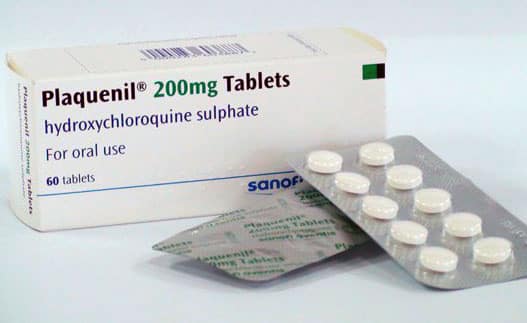
Washington DC,The U.S. Food and Drug Administration (FDA) issued an Emergency Use Authorization (EUA) to BARDA to allow hydroxychloroquine sulfate and chloroquine phosphate products donated to the Strategic National Stockpile (SNS) to be distributed and prescribed by doctors to hospitalized teen and adult patients with COVID-19, as appropriate, when a clinical trial is not available or feasible.
Ridgewood NJ, FDA is aware of news reports stating the use of non-steroidal anti-inflammatory drugs (NSAIDs), such as ibuprofen, could worsen coronavirus disease (COVID-19). These news reports followed a March 11, 2020 letter in The Lancet medical journalExternal Link Disclaimer, which hypothesized that an enzyme (a molecule that aids a biochemical reaction in the body) is increased by NSAIDs and could aggravate COVID-19 symptoms.
When it comes to how long you last in bed, premature ejaculation could deprive you of your bedroom confidence. Typically, the average man should last from 2-5 minutes, which is significantly less than the 20 minute average of women. Naturally, keeping up in bed without any hindrances could be daunting. However, when you add low sexual stamina, it can become absolutely terrifying. Low sexual stamina could be caused by many things that pertain to physical and mental aspects. Fortunately, supplements and medications for sexual performance enhancement are more readily available than ever before.
Ridgewood NJ, according to the CDC, as of September 6, 2019, over 450 possible cases of lung illness associated with the use of e-cigarette products have been reported to CDC from the following 33 states and 1 U.S. territory: AR, CA, CO, CT, DE, FL, GA, IA, IL, IN, KS, KY, LA, MD, MI, MN, MT, NC, NE, NJ, NM, NY, OH, OR, PA, SC, TN, TX, UT, VA, VT, WI, WV, and the U.S. Virgin Islands). These numbers may change frequently. Also the CDC is reporting that four deaths have been confirmed in Illinois, Indiana, Minnesota, and Oregon.
TRENTON NJ, Attorney General Gurbir S. Grewal and the Office of the Insurance Fraud Prosecutor (“OIFP”) today announced charges against 19 individuals for their alleged participation in an $11 million “medicine-for-cash” insurance fraud scheme that was run by a Manhattan pharmacy owner and operated across New York and New Jersey.
As alleged in the charging documents, the scheme exploited the fact that pharmacies that purchase prescription drugs from wholesalers or distributors can return those drugs for a partial refund if the drugs expire before being sold. Pharmacies can recoup up to 85 percent of the price they paid for the drugs.
Washington DC , The U.S. Food and Drug Administration today approved the first generic version of EpiPen and EpiPen Jr (epinephrine) auto-injector for the emergency treatment of allergic reactions, including those that are life-threatening (anaphylaxis), in adults and pediatric patients who weigh more than 33 pounds. Teva Pharmaceuticals USA gained approval to market its generic epinephrine auto-injector in 0.3 mg and 0.15 mg strengths.
“People who are terminally ill should not have to go from country to country to seek a cure — I want to give them a chance right here at home.”
President Donald J. Trump
May 31,2018
the staff of the Ridgewood blog
Washington DC , in a historic move and another campaign promise met Congress passed the Right to Try Act of 2017, sending a priority bill to President Donald J. Trump for his signature.
The “Trickett Wendler, Frank Mongiello, Jordan McLinn, and Matthew Belllina Right to Try Act of 2017” passed Congress on May 22, 2018.
The bill amends Federal law to allow certain unapproved, experimental drugs to be administered to terminally ill patients who have exhausted all approved treatment options and are unable to participate in clinical drug trials.
Eligible drugs must have undergone the Food and Drug Administration’s (FDA) Phase I (safety) testing.
The bill requires any manufacturer or sponsor of an eligible investigational drug to report to the FDA on any use of the drug on a “Right to Try” basis.
The FDA will post an annual summary report of “Right to Try” use on its website.
The bill limits the liability of drug sponsors, manufacturers, prescribers, or dispensers that provide or decline to provide an eligible investigational drug to an eligible patient.
A RIGHT TO LIFE: Right to try legislation returns treatment decisions back to patients, giving them the right to make healthcare choices that could save their lives.
“Right to Try” gives the over 1 million Americans who die from a terminal illness every year a new tool to fight and make potentially lifesaving decisions about their treatment.
According to the National Cancer Institute, an estimated 609,640 Americans will die from cancer alone in 2018.
Prior to this legislation, options for terminally patients who had exhausted all treatment options were extremely limited:
Many terminally ill patients were considered too sick for clinical trials of new medication. In fact, only 3 percent of cancer patients today are enrolled in clinical trials.
The FDA’s “compassionate use” application is complicated and time-consuming, resulting in only about 1,200 approved applications per year.
With President Trump’s signature the Federal government joins with 40 States that have approved the right of terminally ill patients to try potentially lifesaving drugs.
MAKING HEALTHCARE WORK FOR AMERICANS: Every day, President Trump is working to fix America’s broken healthcare system and return healthcare decisions to individuals.
On May 11, 2018, the President issued his blueprint to lower prescription drug prices, taking action to put American patients first.
President Trump has signed multiple Executive Orders and approved new funding to target the scourge of opioid abuse and is taking the fight to drug abuse across the Nation.
In March 2018, President Trump’s Administration released the President’s plan to put patients back in charge of their own health information.
President Trump is putting healthcare decisions back into the hands of Americans by repealing Obamacare’s individual mandate, ending the healthcare rationing board, and providing more affordable options outside of Obamacare.
Class I Recall 129-2017
Health Risk: High Dec 16, 2017
Washington DC, Piller’s Fine Foods, a Waterloo, Canada establishment, is recalling approximately 1,076 pounds of ready-to-eat salami and speck products that may be adulterated with Salmonella, the U.S. Department of Agriculture’s Food Safety and Inspection Service (FSIS) announced today.
The ready-to-eat speck prosciutto and salami items were produced on Sept. 22 and Oct. 12, 2017, respectively. The following products are subject to recall: [View Labels (PDF only)]
Vacuum-sealed random weight plastic packages containing “Black Kassel Piller’s Dry Aged D’Amour Salami” with Best Before date of May 12, 2018
Vacuum-sealed random weight plastic packages containing “Black Kassel Piller’s Dry Aged Speck Smoked Prosciutto” with Best Before date of May 12, 2018.
These items were produced in Canada and were shipped to distribution centers in California, Illinois, Michigan, New Jersey and New York.
The problem was discovered when an FSIS sample of the ready-to-eat salami product was confirmed positive for Salmonella. There have been no confirmed reports of adverse reactions due to consumption of these products.
Consumption of food contaminated with Salmonella can cause salmonellosis, one of the most common bacterial foodborne illnesses. The most common symptoms of salmonellosis are diarrhea, abdominal cramps, and fever within 12 to 72 hours after eating the contaminated product. The illness usually lasts 4 to 7 days. Most people recover without treatment. In some persons, however, the diarrhea may be so severe that the patient needs to be hospitalized. Older adults, infants, and persons with weakened immune systems are more likely to develop a severe illness. Individuals concerned about an illness should contact their health care provider.
FSIS and the company are concerned that some product may be frozen and in consumers’ freezers.
Consumers who have purchased these products are urged not to consume them. These products should be thrown away or returned to the place of purchase.
FSIS routinely conducts recall effectiveness checks to verify recalling firms notify their customers of the recall and that steps are taken to make certain that the product is no longer available to consumers. When available, the retail distribution list(s) will be posted on the FSIS website at www.fsis.usda.gov/recalls.
FSIS advises all consumers to safely prepare their raw meat products, including fresh and frozen. The only way to confirm that meat and poultry products are cooked to a temperature high enough to kill harmful bacteria is to use a food thermometer that measures internal temperature, https://1.usa.gov/1cDxcDQ.
Media and consumers with questions regarding the recall can contact Trent Hilpert, President, Piller’s Fine Foods, at (519) 743-1412 ext. 240.
Ridgewood NJ, Bone treats are real bones that have been processed, sometimes flavored, and packaged for dogs. Giving your dog a “bone treat” might lead to an unexpected trip to your veterinarian, a possible emergency surgery, or even death for your pet.
Many dog owners know not to toss a turkey or chicken bone to their dog; those bones are just too brittle. But the U.S. Food and Drug Administration (FDA) says the risk goes beyond that, especially when it comes to the “bone treats” you may see at the store.
What’s a Bone Treat?
FDA has received about 68 reports of pet illnesses related to “bone treats,” which differ from uncooked butcher-type bones because they are processed and packaged for sale as dog treats. A variety of commercially-available bone treats for dogs—including treats described as “Ham Bones,” “Pork Femur Bones,” “Rib Bones,” and “Smokey Knuckle Bones”—were listed in the reports. The products may be dried through a smoking process or by baking, and may contain other ingredients such as preservatives, seasonings, and smoke flavorings.
So if you’re planning to give your dog a stocking full of bone treats this holiday season, you may want to reconsider. According to Carmela Stamper, a veterinarian in the Center for Veterinary Medicine (CVM) at the FDA, “Giving your dog a bone treat might lead to an unexpected trip to your veterinarian, a possible emergency surgery, or even death for your pet.”
Illnesses Reported
Illnesses reported to FDA by owners and veterinarians in dogs that have eaten bone treats have included:
Gastrointestinal obstruction (blockage in the digestive tract)
Choking
Cuts and wounds in the mouth or on the tonsils
Vomiting
Diarrhea
Bleeding from the rectum, and/or
Death. Approximately fifteen dogs reportedly died after eating a bone treat.
The reports, sent in by pet owners and veterinarians, involved about 90 dogs (some reports included more than one dog). In addition, FDA received seven reports of product problems, such as moldy-appearing bones, or bone treats splintering when chewed by the pet.
Tips to Keep Your Dog Safe
Here are some tips to keep your dog safe:
Chicken bones and other bones from the kitchen table can cause injury when chewed by pets, too. So be careful to keep platters out of reach when you’re cooking or the family is eating.
Be careful what you put in the trash can. Dogs are notorious for helping themselves to the turkey carcass or steak bones disposed of there.
Talk with your veterinarian about other toys or treats that are most appropriate for your dog. There are many available products made with different materials for dogs to chew on.
“We recommend supervising your dog with any chew toy or treat, especially one she hasn’t had before,” adds Stamper. “And if she ‘just isn’t acting right,’ call your veterinarian right away!”
To report a problem with a pet food or treat, please visit FDA’s Web page on “How to Report a Pet Food Complaint.”
Trenton NJ,Attorney General Christopher S. Porrino announced today that New Jersey has filed an amended consumer fraud and false claims complaint against Insys Therapeutics, Inc. – maker of the powerful opioid-fentanyl drug Subsys – that adds as a defendant John N. Kapoor, billionaire founder of the company.
Insys and Kapoor are accused in the State’s complaint of endangering the public through a greed-driven, unlawful marketing campaign designed to exponentially increase sales of Subsys by making fraudulent claims and unlawfully incentivizing health care providers to prescribe Subsys to an inappropriately broad array of pain patients.
Subsys is only approved by the federal Food and Drug Administration (FDA) for treating breakthrough cancer pain in opioid-tolerant cancer patients.
Filed in Superior Court in Middlesex County, the State’s amended complaint notes that Kapoor not only founded Insys and is its principal shareholder, but also held executive management positions in the company including Executive Chairman of the Board of Directors, President and Chief Executive Officer.
Kapoor’s public claims that he was “not involved in day-to-day operations” concerning Subsys and that he was merely “an investor” in the company are contradicted by documentary evidence, the State’s amended lawsuit notes. The complaint charges that, in reality, Kapoor exercised “firm direction” and “close management” of the illegal push to have Subsys inappropriately – and dangerously – prescribed for patients with routine chronic pain.
“This individual (Kapoor) founded Insys and for all intents and purposes ran the company. We reject the suggestion that he had only a hands-off, observer’s role in the process of illegally expanding the off-label prescription market for his company’s flagship drug Subsys. And, as our amended complaint filed today makes plain, we believe that available evidence suggests otherwise,” Porrino said. “We allege that Mr. Kapoor was firmly at the controls as Insys coldly set aside any concerns about addiction and death, and forged full-steam ahead with a campaign to have more doctors prescribe Subsys to more patients, and to have doctors who were already prescribing the drug prescribe higher doses. Naming him as a direct defendant credits his alleged role in a calculated scheme to drive profits at the expense of human life, and allows us to look beyond the corporate veil and obtain a judgment against Mr. Kapoor and his personal assets.”
Among other things, the State’s amended complaint alleges that the greed of Kapoor and Insys put “hundreds” of lives in jeopardy and “led to the death of at least one New Jersey resident” – a 32-year-old Camden County woman who was prescribed Subsys for fibromyalgia. In addition, the suit notes that two New Jersey state employee health benefits plans paid a total of approximately $10.3 million to reimburse Subsys prescriptions between 2012 and the third-quarter of 2016, while the State Worker’s Compensation Program paid another $300,000.
The lawsuit includes three counts alleging violations of New Jersey’s Consumer Fraud Act and one count alleging violations of the New Jersey False Claims Act. The suit asks that Insys and Kapoor be assessed maximum civil penalties for each violation of the Consumer Fraud Act, and seeks three times the State’s actual damages for violations of the False Claims Act, per that statute. The suit also seeks to have Insys and Kapoor held responsible for costs and fees incurred by the State in bringing the case.
From the 2012 market launch of Subsys until the present, the drug has accounted for approximately 98 percent of net revenues for Insys, a Delaware corporation with headquarters in Chandler, AZ. Insys, which has raised the price of Subsys every year since its launch, sold $74.2 million worth of the drug in New Jersey between 2012 and the third-quarter of 2016.
The State’s complaint alleges that Insys’s corporate decision-makers – led by Kapoor – devised a strategy to expand what they recognized as a limited market for Subsys by aggressively pushing “off label” uses of the drug – even to podiatrists and other specialty practitioners who typically would have little call to treat cancer patients or prescribe powerful Schedule II painkillers. (Off-label use denotes use of a drug for purposes other than that for which it was approved by the FDA.)
Ridgewood NJ, the CDC and multiple states are investigating a multistate outbreak of human Salmonella infections linked to contact with pet turtles.
Thirty-seven people infected with the outbreak strain of Salmonella Agbeni have been reported from 13 states.
Illnesses started on dates ranging from March 1, 2017 to August 3, 2017 Of 33 people with available information, 16 have been hospitalized. No deaths have been reported. Twelve (32%) ill people are children 5 years of age or younger.
Epidemiologic and laboratory findings link the outbreak of human Salmonella Agbeni infections to contact with turtles or their environments, such as water from a turtle habitat.
In interviews, ill people answered questions about contact with animals during the week before becoming ill. Fifteen (45%) of the 33 people interviewed reported contact with turtles or their environments, such as water from a turtle habitat, before getting sick.
In interviews with 9 ill people about where their turtles came from, 6 reported buying a turtle from a flea market or street vendor, or receiving the turtle as a gift.
In 2015, state and local health officials collected samples from turtles at a street vendor. Whole genome sequencing(https://www.cdc.gov/pulsenet/pathogens/wgs.html) showed that the Salmonella Agbeni isolated from ill people in this outbreak is closely related genetically to the Salmonella Agbeni isolates from turtles. This close genetic relationship means that people in this outbreak are more likely to share a common source of infection.
Do not buy small turtles as pets or give them as gifts.
Since 1975, the FDA has banned selling and distributing turtles with shells less than 4 inches long as pets because they are often linked to Salmonella infections, especially in young children.
All turtles, regardless of size, can carry Salmonella bacteria even if they look healthy and clean. These outbreaks are a reminder to follow simple steps(https://www.cdc.gov/Features/salmonellafrogturtle/) to enjoy pet reptiles and keep your family healthy.
This outbreak is expected to continue since consumers might be unaware of the risk of Salmonella infection from small turtles. If properly cared for, turtles have a long life expectancy.
Bridgewater NJ, Amneal Pharmaceuticals LLC is voluntarily recalling 13 lots of Lorazepam Oral Concentrate, USP 2mg/mL, to the Consumer level due to a defect in the dropper markings. The Lorazepam Oral Concentrate, USP 2mg/mL, product is packaged with a dosing dropper, supplied to Amneal by a third party. In a few instances, the dropper is printed with the dose markings in reverse number order, has no dose markings or has dose markings that are shifted. Amneal learned about the issue from a Consumer’s report. To date no adverse events related to these dropper defects have been reported to Amneal. The below picture shows examples of a dropper with the correct print, along with examples of droppers with the defects.
Risk Statement: There is a significant likelihood that the dropper marking errors will result in dispensing either less than, or more than, the prescribed dose. There is a significant probability of a serious health consequence if more than the prescribed dose is dispensed and potential serious adverse events include – drowsiness causing trauma; increased anxiety; increased accidental injury to self or others (e.g., hip fracture, motor vehicle accident); which in the most serious circumstances could result in permanent decreased function or death.
The product is indicated for the management of anxiety disorders for the short-term relief of the symptoms of anxiety or anxiety associated with depressive symptoms. It is packaged in an individual carton, identified with the code: NDC 65162-687-84, which contains a 30mL amber glass bottle of liquid produced by Amneal, a package insert with patient information, and a plastic dropper sealed in a clear plastic bag. The affected Lorazepam Oral Concentrate, USP 2mg/mL, lots are the following:
Lot NumberExpiration Date
06876016A08/2018
06876017A08/2018
06876018A08/2018
06876019A09/2018
06876020A09/2018
06876021A09/2018
06876022A09/2018
06876023A11/2018
06876024A12/2018
06876025A12/2018
06877001A02/2019
06877002A02/2019
06877003A03/2019
The product can be identified by the lot number printed on the bottom-right side of the blue and white label, with the Amneal logo, on the amber bottle supplied with the dropper, in a blue and white carton, with the Amneal logo. The Lorazepam Oral Concentrate, USP 2mg/mL was distributed nationwide to wholesalers.
Amneal Pharmaceuticals has notified its wholesale customers by a Recall Letter to return all recalled lots. Amneal is notifying pharmacies by providing a Recall Letter and a supply of replacement droppers to all pharmacies that may have received any of the recalled lots. There is no safety issue with the bottled product itself. To avoid any interruption in supply or access to the medication by the patient, pharmacies are instructed to immediately discard the dropper included with the recalled lots and replace it with the dropper included with the Recall Letter. Amneal also is providing the pharmacist with a sticker which the pharmacist is required to place on the box to alert the patient and other pharmacists that the dropper has been replaced. Pharmacists are instructed to notify all Consumers impacted by the recall of the potential defect and the need to exchange a defective dropper. Consumers are instructed to discontinue use of any defective dropper and return it to the place of purchase for a replacement. If Consumers are unsure whether their droppers are defective they are encouraged to confirm with their dispensing pharmacy.
Consumers with questions regarding this recall can contact Amneal Pharmaceuticals at 631.952.0214 x338 or [email protected] on Monday through Friday from 9AM through 5PM Eastern Time. Consumers should contact their physician or healthcare provider if they have experienced any problems that may be related to taking or using this drug product.
Adverse reactions or quality problems experienced with the use of this product may be reported to the FDA’s MedWatch Adverse Event Reporting program either online, by regular mail, or by fax.
Complete and submit report Online: www.fda.gov/medwatch/report.htm
Regular Mail or Fax: Download form www.fda.gov/MedWatch/getforms.htm or call 1-800-332-1088 to request a reporting form, then complete and return to the address on the pre-addressed form, or submit by fax to 1-800-FDA-0178.
This recall is being conducted with the knowledge of the U.S. Food and Drug Administration.
As Republicans contemplate repealing the Affordable Care Act (ACA or “ObamaCare”)—seriously, not just as a political gesture—alarms are sounding about millions of individuals losing coverage.
So soon we have forgotten about the millions who lost coverage they had had for years because ObamaCare outlawed it.
ObamaCare resulted in perhaps five times as many losers as winners—even counting just those who ended up with more expensive or less desirable coverage. If you count the taxpayers, the tally of losers is much higher. But with government largesse, the losers—the ones who have their earnings taken away—are “forgotten men.”
Anyone who has government-funded benefits taken away, on the other hand, becomes a victim.
The best poster children are cancer victims. They face a premature, particularly nasty death. Who would deny someone’s mother or 4-year-old daughter the chance of a cure, even if the chemotherapy costs more than $100,000?
ObamaCare would. Exchange plans have excluded the best cancer hospitals from their narrow networks. Medicaid would. It might call the treatment “experimental” or “not cost-effective.” Medicare would, possibly just because the patient is “too old” or “too young.” Unless the particular victim can be featured in a PR campaign to “save ObamaCare,” she might be “better off with the pain pill,” as President Obama put it.
And let’s not forget how the FDA has driven the costs of drug approval sky-high, suppresses therapies that have no prospect of turning billion-dollar profits, and protects manufacturers against competition when the drug is about to go off patent. The anti-leukemia drug Gleevec, for example, cost $26,000 per year in 2001, a price called “high but fair,” considering the cost of research and the need for profits. It is $146,000 a year today, but the introduction of cheaper generics in the U.S. is being delayed.