Ridgewood NJ, During a discussion at Wednesday evening’s Village Council public work session, some Council members expressed concern about costs associated with NJDEP-mandated FAQs related to remediation of contaminated soil at the Schedler property.
Ridgewood NJ, in response to allegations voiced by some residents during Wednesday night‘s Village Council meeting that Ridgewood officials are engaging in “shady“ activities related to the Schedler property’s future configuration/use, Village Manager Keith Kazmark cited his own definition of “shady.“
Ridgewood NJ, as part of the town’s State Historic Preservation Office (SHPO) application, a wetlands assessment is required for the Schedler property. While recent Village Council and Fields Committee meetings have noted on-the-record that wetlands might not exist at Schedler, the final determination lies with the New Jersey Department of Environmental Protection (NJDEP).
Ridgewood NJ, December 18, 1974, marked a monumental step in environmental history: the signing of the Safe Drinking Water Act (SDWA) into law. This legislation was designed to protect public health by establishing enforceable national standards for drinking water quality, ensuring cleaner and safer water for Americans across the country.
Ridgewood NJ, in comments made during a Ridgewood Village Council meeting on Wednesday, October 9th, Richard Calbi, Director of Ridgewood Water, advised Council members of a boil water advisory that was issued on Tuesday, October 8th in connection with a “low pressure event.” The “event” occurred between 4:00 AM and 4:30 AM on Tuesday morning, October 8th. Ridgewood Village Manager Keith Kazmark again cited lawn watering as the likely event trigger.
Ridgewood NJ, demand that the Ridgewood Mayor, the New Jersey Attorney General, and the NJDEP do their due diligence to find the source of legacy contamination and stop this proposed harmful development!
Activists including the Sierra Club are urging residents to hold officials accountable and demand that the Ridgewood Mayor, New Jersey Attorney General, and NJDEP conduct a full investigation following the discovery of hazardous soil contamination. The 42 million pounds of ‘free soil’ obtained from various sources, including Ridgewood Water and Bergen County Community College, could ultimately cost the public millions, with no clear assessment of the health or environmental impacts. Despite public outcry, Ridgewood officials have refused to take action against those responsible.
Ridgewood NJ, members of our staff were falling off their chairs shocked on Wednesday night when Ridgewood Mayor Paul Vagianos publicly disparaged the NJDEP during a Village Council meeting. Mr. Vagianos openly expressed his displeasure with how “slow” NJDEP conducts business. We know he said it once during the meeting, and we believe he may have said it a second time.
Ridgewood NJ, Ridgewood Water Lifts Boil Water Advisory, but question arise as many customers felt left in the dark , finding out about a Boil Water Advisory from their neighbors or social media .
Ridgewood NJ, for some reason, the Village has chosen not to disseminate this information to the general public. Only those residents who previously submitted questions regarding ongoing site remediation were made aware of the deadline for additional inquiries. The notification was made via the below noted e-mail, which was dated Tuesday, September 17, 2024. So much for transparency.
Recently, Ridgewood was ranked #7 among the nation’s safest and wealthiest towns, a point of pride for the village manager. However, many residents feel this optimism is out of touch with the realities on the ground. Ridgewood faces environmental challenges, including hazardous contamination in three locations and water quality issues, with the highest PFAS levels in Bergen County, putting NJ to rank fourth nationwide.
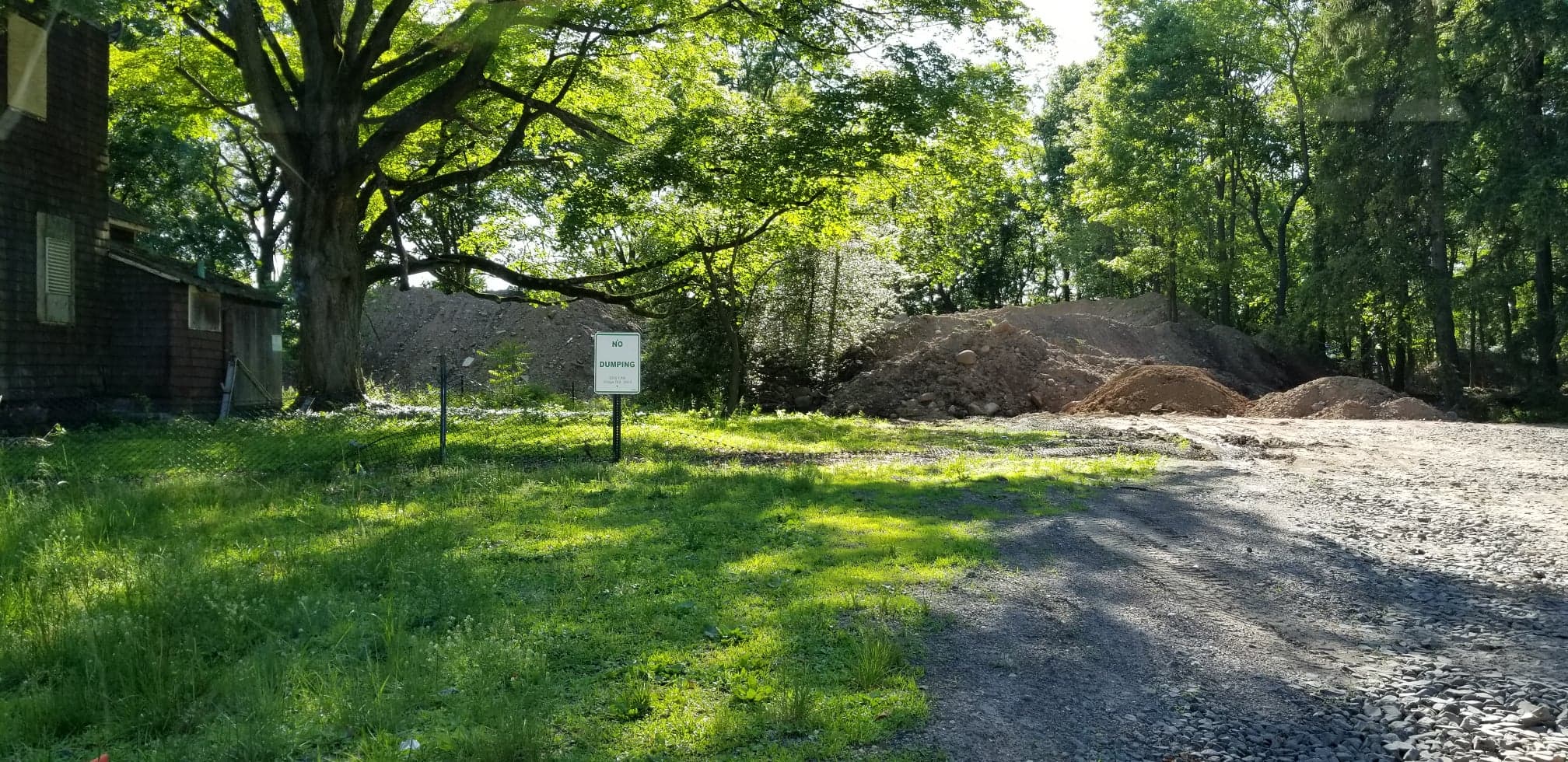
Ridgewood NJ, the Village of Ridgewood received over 24 million pounds of so-called “free soil,” which an employee indicated was clean and would lead to significant savings for taxpayers. However, an NJDEP investigation revealed the soil is contaminated.
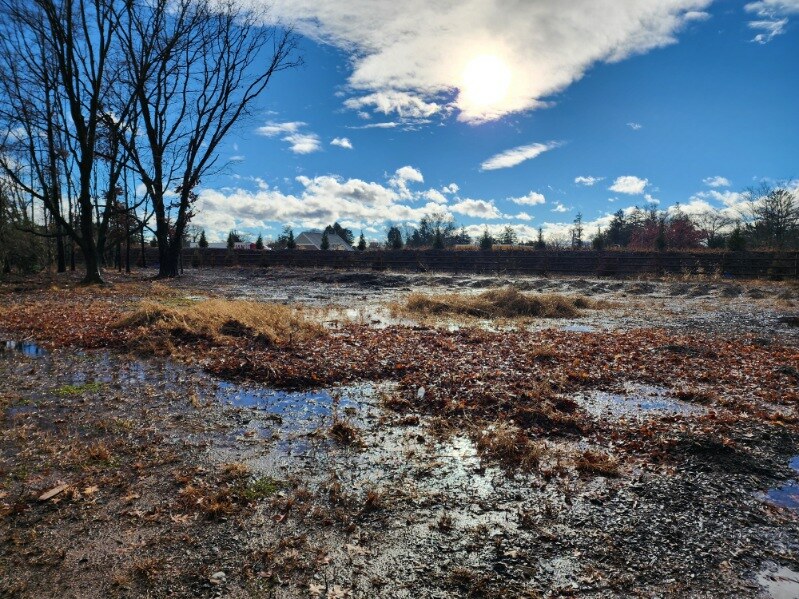
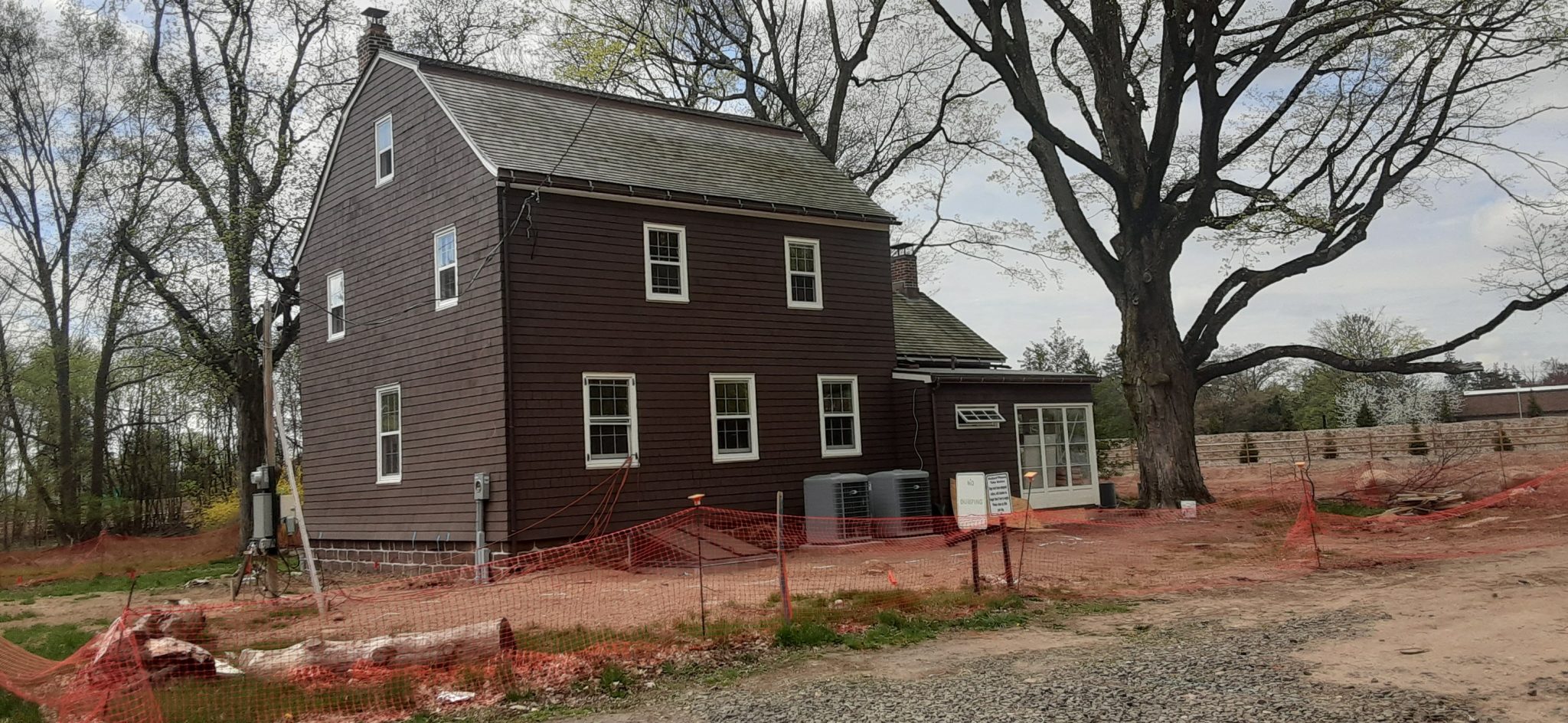
Ridgewood NJ, plans to construct an artificial turf field at the historic Zabriskie-Schedler House in Ridgewood have been indefinitely put on hold after soil tests revealed significant contamination. The soil, which had been used to build a noise reduction berm, was found to contain hazardous substances, including lead, mercury, and two probable carcinogens: Benz(a)Anthracene and Benz(a)pyrene.
Ridgewood NJ, on again, off again “Ridgewood Works” in mysterious ways. Yet again, New Jersey Department of Environmental Protection (NJDEP) intercedes the Village of Ridgewood’s plans at Schedler and work is postponed.
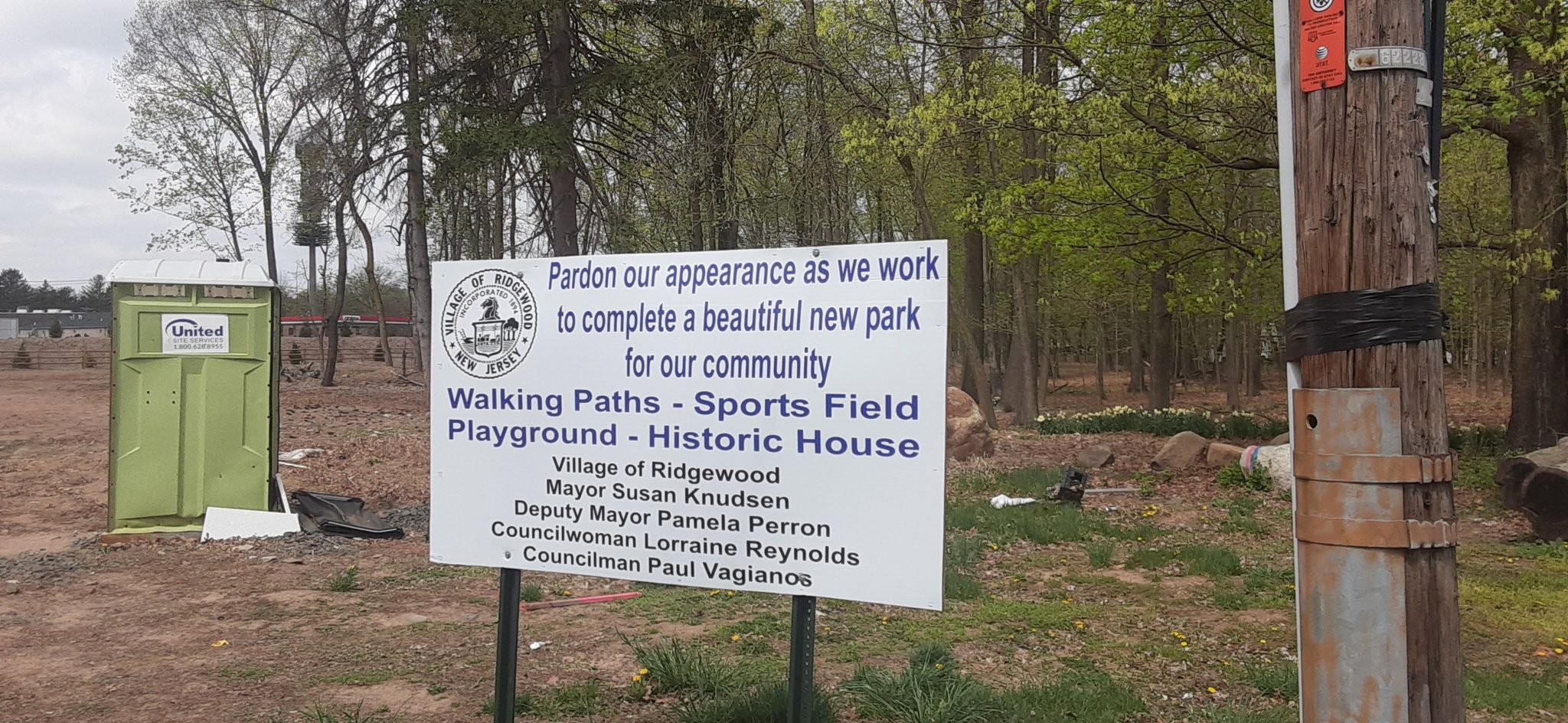
Details not provided. Soil contamination, the Schedler neighborhood and park plans remain in limbo.