Mahwah NJ, Acting Bergen County Prosecutor Dennis Calo announced the arrest of CHARLES J. JANDRIS (DOB: 5/20/1965; married; and employed as a children’s daycare finance director) of 59 Youngs Road, Mahwah, New Jersey on a charge of Possession Of Child Pornography. The arrest is the result of an investigation conducted by the Bergen County Prosecutor’s Office under the direction of Chief Robert Anzilotti.
In September 2018, members of the Bergen County Prosecutor’s Office Cyber Crimes Unit received information that Charles J. JANDRIS viewed and/or possessed child pornography. A months-long investigation revealed JANDRIS used the Internet to view and possess digital files depicting nude and sexually explicit prepubescent children.
Upper Saddle River NJ, The Department of Environmental Protection NJ Department of Environmental Protection is proposing amendments, repeals, and new rules to the Stormwater Management rules, N.J.A.C. 7:8. This is the first rule under the DEP have proposed under the Murphy Administration. A public hearing on the proposal is today, Tuesday January 8, 2019 at 1:00 pm at the Department of Environmental Protection. Jeff Tittel, Director of the New Jersey Sierra Club released the following statement:
“DEP’s proposed rule fails to adequately protect New Jersey from flooding and non-point pollution. These rules are a step backwards, they do not deal with climate change, more frequent flooding, combined sewer overflows, and would make it easier to build pipelines. It allows for green infrastructure however it says to the maximum extension practice which is a loophole big enough to fit a bulldozer through. The biggest problem with this rule is that it continues Christie’s rollbacks on wetlands, flood hazard, and stormwater.
“The rule calls for green infrastructure but keeps the current standards in place that do not work. It also does not effectively monitor the green infrastructure. The rules exempt existing development, they do not require retrofitting of stormwater retention and detention basin systems. It does not require enough recharge or to break up impervious cover to absorb more water. Instead, we should be treating stormwater through natural filtration into sub soils followed by vegetation. The proposed rule does not restore the 300-foot buffers, SWARPA, or calls for revegetating stream buffers or riparian corridors as a way of dealing with non-point pollution.
“DEP’s stormwater rule is seriously flawed and does not change the basic standard. The rule treats impervious cover with automobiles different with other types of impervious cover, which we believe is wrong. It does not deal with compacted soils which in parts of New Jersey are like of impervious cover. The rule also does not include any bonding required for infrastructure in case the system fails, it also does not require maintenance or monitoring.
“The model is based on dealing 100-year storm events that we are having every year. The 100-yr storm model does not work because of climate change and frequency of intense storms, we are also getting a lot more rain. Modelers are looking at 250 year and 500 year storms. This means if you leave along the Passaic or the Raritan River, you’re going to need snorkels. Instead of moving us forward it keeps the status quo.
“Existing development is exempted from the stormwater rule, which is already the largest source of non-pollution in our state. This means a box store being built on a former shopping center or a high rise in New Brunswick will be exempted. Roofs and sidewalks are also not included under the rules, even though they contribute to extra pollution.
“Combined sewer overflow is a major problem in New Jersey, but the rule does not really address it. CSOs are a health hazard, especially when concerned with sea level rise. The rule does not require any restrictions on holding back on water on ground or near properties. It also has no language that would clean up nitrogen and phosphorous in our water. Dilapidated storm water systems exacerbate the problem by increasing the water in combined sewers and we need funding to reduce the amount of water in sewers during major storm events. Only 5% of streams in New Jersey meet standards for being fishable, swimmable, and drinkable, mostly because of non-point solution. 65% of our streams are impacted by phosphorus. We have to retrofit urban areas for stormwater management. Things like green roofs, wet gardens can help and prevent combined sewer overflow however these methods are exempted because the rule exempts redevelopment.
“These rules do not reverse Christie’s rollbacks on stormwater, buffers, or wetlands. They still give preference for engineered controls like basins and outfall structures that can cause more erosion. DEP’s new Stormwater Management rule does not replace the nonstructural point system and requires most of BMP. Most of BMPs only work 50% of the time in ultimate situations. They do not work in areas with steep slopes or high groundwater. The rules do not deal with total suspended solids and do not have nutrient limits for nitrogen or phosphorus. They need to have those requirements in order to do TMDL.
“Non- point pollution is the biggest source of water pollution in New Jersey. This rule does not change the basic standard of the amount of water that can be adsorbed into the ground or cleanup of non-point pollution. It still has the same standards that do not work in New Jersey in the last 40 years. That is our largest source of pollution mostly because of runoff. We are seeing Barnegat Bay dying because of non point pollution and runoff. Dissolved oxygen levels are dropping due to high levels of nutrients from stormwater, resulting in algae blooms. We have to address the stormwater management and nonpoint source pollution issues in the Bay otherwise we are going to turn the Barnegat Bay into the state’s largest stormwater detention basin as the Bay continues to die.
“DEP is just taking the broken current system and adding some green amendments. This is really green cover for a rule that will cause more flooding and water pollution. The rule has a few positives but overall does nothing to change the status quo of pointless non-pollution. It also does not deal or address storm impacts from pipelines or industrial compressor stations. The biggest source of pollution we face is nonpoint pollution and we need to retrofit our stormwater basins to protect our waterways, while revitalizing our waterfront neighborhoods and communities. DEP’s first rule is still a Christie rule that also has nothing to do with climate change, sea level rise, and will add just add more flooding. This rule just create more pointless non-point pollution,” said Jeff Tittel, Director of the New Jersey Sierra Club.
Upper Saddle River NJ, The Department of Environmental Protection NJ Department of Environmental Protection is proposing amendments, repeals, and new rules to the Stormwater Management rules, N.J.A.C. 7:8. This is the first rule under the DEP have proposed under the Murphy Administration. A public hearing on the proposal will be Tuesday January 8, 2019 at 1:00 pm at the Department of Environmental Protection
“New Jersey has serious problems with flooding and water quality from runoff. DEP’s new rule is a step backwards and not forward when it comes to dealing with stormwater. It does not deal with climate change, flooding, combined sewer overflows, and would make it easier to build pipelines. The new the rule has too many exemptions and furthers Christie’s rollbacks on protections to our waterways. It allows for green infrastructure which is good however it says to the maximum extension practice which is a loophole big enough to fit a bulldozer through,” said Jeff Tittel, Director of the New Jersey Sierra Club. “We have waited almost a year for a new Murphy DEP rule to be proposed. The rule is not only a disappointment, but we have to actually oppose it. This rule was worked by the Christie Administration and proposed by Murphy Administration went forward with this anyway.”
The DEP is proposing to replace the current requirement that major developments incorporate nonstructural stormwater management strategies to the “maximum extent practicable” to meet groundwater recharge standards, stormwater runoff quantity standards, and stormwater runoff quality standards, with a requirement that green infrastructure be utilized to meet these same standards.
“The rule has major flaws in it. The model is based on dealing 100-year storm events that we are having every year. It doesn’t really change the flood system. The rule does not look at climate change or the frequency and intensity of storms. This means if you leave along the Passaic or the Raritan River, your going to need snorkels. Instead of moving us forward it keeps the status quo. It exempts existing development which is already the largest source of non-pollution in our state. Which means a box store being built on a former shopping center or a high rise in New Brunswick will be exempted. Roofs and sidewalks are also not included under the rules, even though they contribute to extra pollution,” said Tittel.
The NJDEP looks to incorporate green infrastructure to be utilized to meet the same standards groundwater recharge standards, stormwater runoff quantity standards, and stormwater runoff quality standards.
“The rule calls for green infrastructure but keeps the current standards that do not work. It also keeps in place Christie’s rollbacks of the 300 foot buffers, SWARPA, revegetating stream buffers or riparian corridors as a way of dealing with non-point pollution. The amended stormwater rules does nothing to retrofit our stormwater retention and detention basin systems that don’t work that break up impervious cover to absorb more water. This rule is a continuation of Christie’s rollbacks on wetlands, flood hazard, and stormwater that does not protect stream buffers or C1 streams,” said Tittel. DEP’s proposal for green infrastructure in the new rule is with just an added green veneer.”
New Jersey need at least $14 billion just to fix our combined sewer overflow systems, but overall we need more than $45 billion to fix our water and sewage infrastructure. We’ve been kicking the can down the road for so long that now the road is underwater and the can is clogging a storm drain. The biggest source of pollution we face is nonpoint pollution and we need to retrofit our stormwater basins to protect our waterways, while revitalizing our waterfront neighborhoods and communities.
“The rule does not really deal with address combined sewer overflow. CSOs are a health hazard, especially when concerned with sea level rise. The rule does not require any restrictions on holding back on water on ground or near properties. It also has no language that would clean up nitrogen and phosphorous in our water. Dilapidated storm water systems exacerbate the problem by increasing the water in combined sewers and we need funding to reduce the amount of water in sewers during major storm events. Only 5% of streams in New Jersey meet standards for being fishable, swimable, and drinkable, mostly because of non-point solution. 65% of our streams are impacted by phosphorus,” said Tittel. “We have to retrofit urban areas for stormwater management. Things like green roofs, wet gardens can help and prevent combined sewer overflow however these methods are exempted because the rule exempts redevelopment.”
Over ten percent of the land in New Jersey is impervious surface, making us prone to flooding and pollution problems. The Christie Administration has weakened our coastal areas to more flooding and pollution. Their Flood Hazard rules add more development to environmentally sensitive areas, getting rid of stream buffers, and eliminating protections for headwaters. Then in a one-two punch for water quality, the Administration increased sewer hook-ups in the Water Quality Management Planning rules, which will have a major impact to open space and nearby reservoirs and streams throughout the state. This will especially impact the most environmentally sensitive areas of the Highlands and Pinelands that contain the water supply for millions of people.
“This stormwater rule codifies and will further Christie’s rollbacks. DEP still have not reversed rollbacks on the wetlands and stormwater rules from the Christie Administration but still allows for outfall structure called scours, causing more erosion. DEP’s new Stormwater Management rule does not replace the nonstructural point system and requires most of BMP. Most of BMPs only work 50% of the time in ultimate situations. They do not work in areas with steep slopes or high groundwater. The green infrastructure standards also only deal with total suspended solids, not other pollutants that come off of stormwater runoff like nitrogen or phosphorous,” said Tittel.
The Barnegat Bay is turning into New Jersey’s largest stormwater detention basin and its whole ecology is changing. DEP must control development and sprawl near the bay and prevent massive projects like development in Lakewood that will add more pollution to the Bay.
“This rule does not change the basic standard of the amount of water that can be adsorbed into the ground or clean up of non-point pollution. It still has the same standards that do not work in New Jersey in the last 40 years. New Jersey has serious water problems because of non point pollution. That is our largest source of pollution mostly because of runoff. We are seeing Barnegat Bay dying because of non point pollution and runoff. Dissolved oxygen levels are dropping due to high levels of nutrients from stormwater, resulting in algae blooms,” said Tittel. “We have to address the stormwater management and nonpoint source pollution issues in the Bay otherwise we are going to turn the Barnegat Bay into the state’s largest stormwater detention basin as the Bay continues to die.”
An important way to improve our stormwater management is to reverse Christie’s rollbacks and put in place stronger protections. The DEP have to address the stormwater management and nonpoint source pollution issues.
“DEP is just taking the broken current system and adding some green amendments. This is really green cover for a rule that will cause more flooding and water pollution. The rule has a few positives but overall does nothing to change the status quo of pointless non-pollution. It also does not deal or address storm impacts from pipelines or industrial compressor stations. The biggest source of pollution we face is nonpoint pollution and we need to retrofit our stormwater basins to protect our waterways, while revitalizing our waterfront neighborhoods and communities,” said Jeff Tittel, Director of the New Jersey Sierra Club. “DEP’s first rule is still a Christie rule that also has nothing to do with climate change, sea level rise, and will add just add more flooding.”
A public hearing on the proposal will be Tuesday January 8, 2019 at 1:00 pm at the Department of Environmental Protection, 1st floor Public Hearing Room, 401 East State Street Trenton, NJ 08625
Upper Saddle River NJ, for over a year we have covered the story of the devastating impact of the run off from the Toll Brothers site at Apple Ridge. To date nothing as been done to protect the environment of Bergen County , not one politician or DEP official has lifted a hand . So for the talk from the Murphy Administration on “Green” New Jersey, it is nothing but talk and a ruse for tax increases.
Derek Michalski, from the group GreenUSR – (Upper & Saddle River, Ramapo and Pascack Valley Communities). Wrote yesterday :
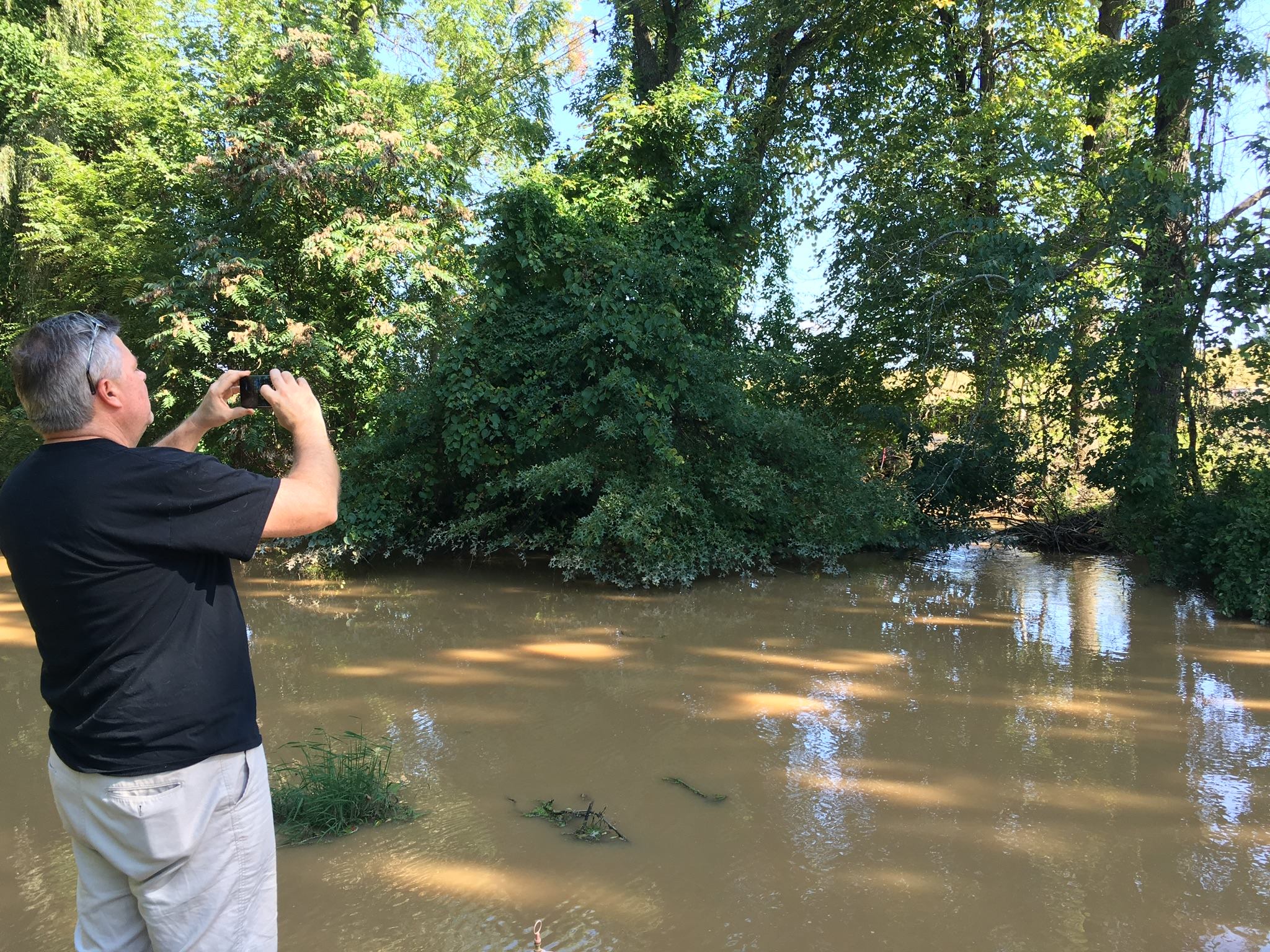
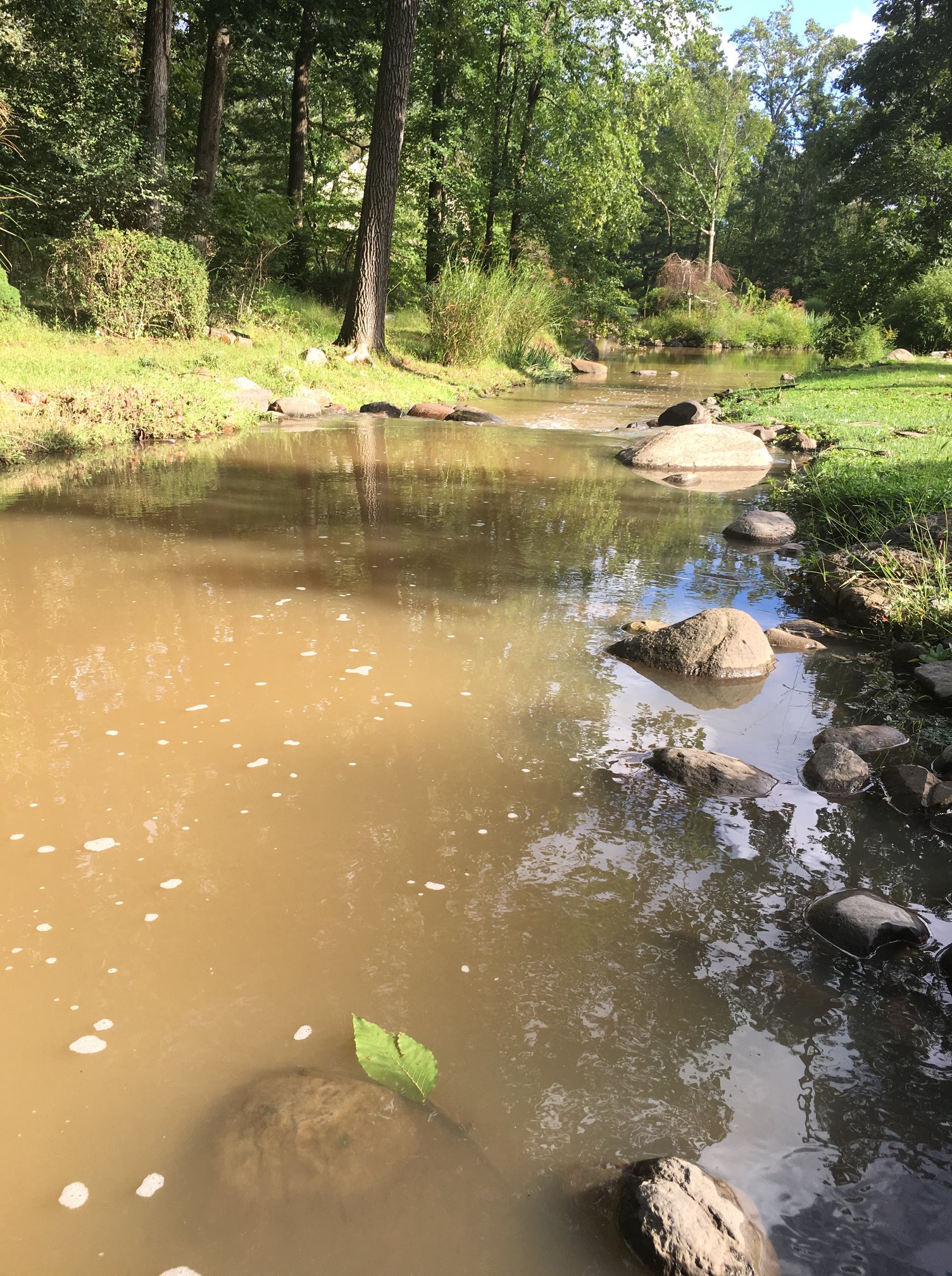
“Most people and corporations in this beautiful country end every year on a positive note and with charitable giving activities. With God’s love in someone’s heart you can make a difference with giving. However Upper and Saddle River residents are experiencing another form of giving/receiving or should I rather say ”mud dumping” or “mud receiving“ into their backyards and local aquifer. Apparently Toll Brothers moved their makeshift pump deeper into the “arsenic field” so without the drone no one can see it. How pathetic this situation is when one of the largest construction company in America is allowed to permanently destroy local aquifer in one of the most affluent zip codes in America. Welcome to the land of apathy – zip code 07458. Passing year reminded us during those 12 months of ongoing mud pumping laden with arsenic and lead how close we are to the third world countries in the way behave sometimes. Also did I say Merry Christmas”
Ridgewood NJ, according to North Jersey Media a village child’s library card was fraudulently used to rack up over $1,000 in fines borrowing items from local area libraries.
Sources say ,at least 46 items were fraudulently checked out of two Bergen County libraries using a 12-year-old Ridgewood boy’s library card. The Items were checked out from both Mahwah and Wyckoff libraries and the Ridgewood resident has received an overdue notice of $1,000 fine notice.
Upper Saddle River NJ, according to Derek Michalski the moderator of the Facebook group GreenUSR, “After proposing on this site an Environmental Debate between incumbent Josh Gottheimer and his opponent John McCann reporter from CBS News called and interviewed me for the story. When I announced this on October 13, 2018 I immediately noticed that mud is no longer being pumped into Pleasant Brook/Saddle River. Today I spoke to the same reporter and she confirmed that she has also reached out to NJDEP and NJ Department of Agriculture for comments. Immediately after she spoke to them Roy Otto from Bergen County Soil Conservation Department called me. When I asked him what sparked his sudden interest in our situation after 10 months of NOT RETUTNING ANY CALLS he said “let’s not talk about what caused me to call you””.
Upper Saddle River NJ , the Group GreenUSR , is challenging Congressman Josh Gottheimer and his rival John McCann to debate the environment .
The Environmental Debate between Congressman Josh Gottheimer and his opponent attorney John McCann is being proposed by GreenUSR. Will small brook in Bergen County called Pleasant Brook/Saddle River oust popular Democratic Congressman who turned a blind eye to this unprecedented 10 month environmental disaster time will tell. John McCann is ready to rumble! So are GreenUSR members.
Upper Saddle River NJ, Derek Michalski once again fills us in on the ongoing battle over Pleasant Brook and the unprecedented environmental disaster in one of the richest zip codes in America . Toll Brothers‘
Apple Ridge Project in Mahwah has been alleged to be pumping mud into local tributary’s down stream in Upper Saddle River and Saddle River .
Mahwah NJ, Major Policy Announcement around 1:50 pm Sunday September 23rd , posted on GreenUSR Community FB Page by Mahwah Mayor William Laforet:
“There will be NO deer culling in Mahwah , Not happening .Mahwah has a huge conservation area, our tag line is “Bergen County Parkland”
No matter what the Council President says.”
Mahwah NJ, Attorney General Gurbir S. Grewal announced today that the State and Mahwah Township have entered into a settlement agreement that resolves a lawsuit brought by the State in 2017 after Mahwah adopted two allegedly discriminatory ordinances – one banning non-residents from using Mahwah’s public parks, the other banning the posting of “lechis” on utility poles located within the municipality. Lechis are plastic strips that denote the boundaries of an eruv used by Sabbath-observant Orthodox Jews.
Mahwah NJ, Attorney General Gurbir S. Grewal announced today that the State and Mahwah Township have entered into a settlement agreement that resolves a lawsuit brought by the State in 2017 after Mahwah adopted two allegedly discriminatory ordinances – one banning non-residents from using Mahwah’s public parks, the other banning the posting of “lechis” on utility poles located within the municipality. Lechis are plastic strips that denote the boundaries of an eruv used by Sabbath-observant Orthodox Jews.
My name is Frank Pallotta and I have been a Mahwah resident for nearly 30 years. My wife Patty, a life-long Mahwah resident, and I have been married for 27 years and have two adult sons. We built our home, raised our family and made many friends here over the years who have become part of our extended Mahwah family. Mahwah is our town and it is the only town we have ever called home.
It is time for Mahwah to be represented by someone with one agenda and one vision, singularly focused on improving our town and the lives of all its residents.
Mahwah NJ , Mahwah Mayor Bill Laforet comments on recall :
While I vehemently disagree with Clerk Coviello’s perfunctory response to my objections in regard to her certification of the recall petition, I will not see my town foot the bill to defend against a legal challenge to such certification which I believe I can win in court.
Mahwah NJ, On July 11th, Mahwah Township Clerk Kathy Coviello, who serves as the Recall Election Official, notified the Recall Committee and Mayor Laforet that verification of the Recall Petition was complete and there were sufficient valid signatures to proceed to the next step in the process.
On July 25th, the mayor filed an objection to the Recall with Ms. Coviello.Yesterday, August 6th, Ms. Coviello responded to the mayor’s objections. In short, Ms. Coviello stands by her prior determination that the Recall Petition is compliant with statutory requirements and has the necessary number of signers.
If the mayor chooses to challenge the determination of the Recall Election Official, he has 10 days to file for relief in New Jersey Superior Court.
Senator Gerry Cardinale and Assemblyman Robert Auth (both R-39) announced that Montvale Borough and Mahwah Township will receive $1.3 million in “Local Bridge, Future Needs” grants from the New Jersey Department of Transportation (NJDOT) to undertake bridge reconstruction projects in the two municipalities.
Sen. Gerry Cardinale and Asm. Robert Auth announced that Montvale and Mahwah will receive $1.3 million in grants to undertake bridge reconstruction projects. (Wikimedia Commons)
“New Jersey must continue to make sound investments in our transportation infrastructure,” Sen. Gerry Cardinale said. “Families and commuters rely heavily on well-maintained bridges. Bridges and roads in Mahwah and Montvale, for example, are in desperate need of repairs. I am relieved to see that these communities will receive $1.3 million in grants, so that they can complete construction without burdening taxpayers.”
The Local Bridges, Future Needs grant program (LBFN) is funded through the Transportation Trust Fund (TTF), and will provided more than $47 million in funding to New Jersey’s 21 counties for county bridge improvement projects, including reconstruction plans in Montvale Borough and Mahwah Township.
The 2018 LBFN grants were based on a NJDOT formula that took into account the total bridge deck area in each county, as well as the portion of bridge infrastructure within each county that was rated in poor condition.
The projects funded in Legislative District 39, which encompasses parts of Bergen and Passaic Counties, include:
• Repairing the Ramapo Valley Road Culvert: $800,000
• Repairing the Magnolia Avebye Bridge: $500,000
“Investing in our public infrastructure, including our bridges, helps our local economy thrive,” Asm. Robert Auth said. “The $1.3 million in grants for projects in Montvale and Mahwah will keep our local roads safe, well-maintained, accessible for all of the residents, commuters, and hardworking business owners who use this infrastructure every day.”